Wheat bran, a byproduct of wheat milling, is commonly utilized in animal feed, food processing, and various industrial applications. Efficient and reliable transportation of wheat bran is crucial for maintaining production efficiency and product quality. The wheat bran pneumatic conveying system, engineered by Shandong HeadPowder Engineering Co., Ltd., provides an advanced solution for handling this material with precision and minimal loss. This system integrates innovative design with robust engineering to ensure optimal performance across diverse industrial settings.
Key Components of the Pneumatic Conveying System
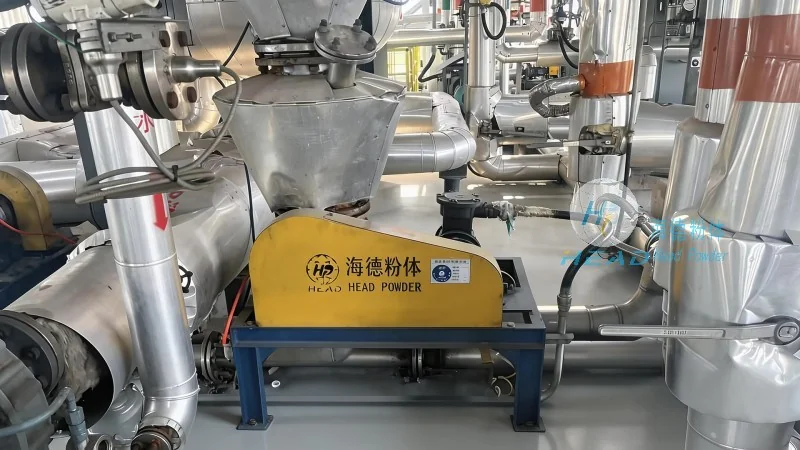
The wheat bran pneumatic conveying system comprises several core components that operate in unison to achieve effective material transport. These components include the hopper for material storage, the air compressor or blower that generates the necessary airflow, the conveying line (typically constructed from stainless steel or other corrosion-resistant materials), and the discharge unit where the bran is released. Each component is meticulously selected to withstand the demands of handling wheat bran, ensuring durability and long-term reliability. The system may also incorporate features such as filters to prevent dust accumulation and pressure regulators to maintain consistent airflow.
Working Principle of the Pneumatic Conveying Process
The operation of the wheat bran pneumatic conveying system is based on the principle of pneumatic transport, where material is carried through a pipeline using a stream of air. The process initiates with the material being fed into the hopper. As the air compressor or blower operates, it creates a low-pressure zone within the conveying line. The material is then drawn into the line by the pressure differential, where it is suspended and transported to the discharge point. The speed and volume of the air are carefully controlled to ensure that the wheat bran moves smoothly without excessive wear on the system components. This method of transport is particularly effective for handling fine or dusty materials like wheat bran, as it minimizes the risk of material degradation and contamination.
Operation Process: Step-by-Step Guide
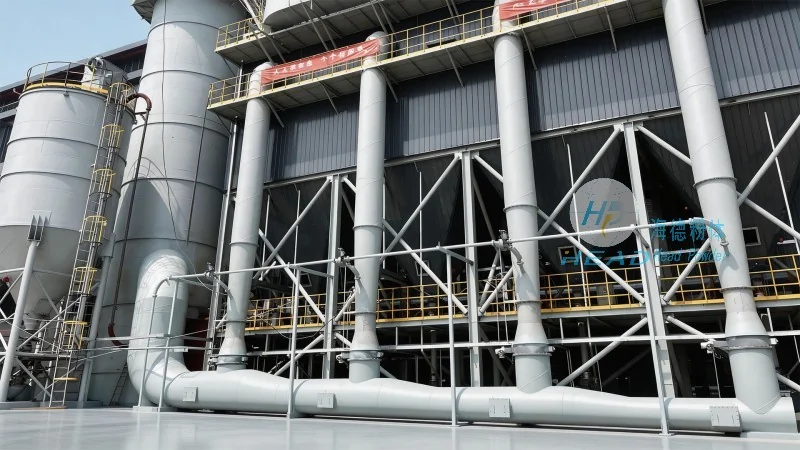
The operation of the wheat bran pneumatic conveying system follows a systematic process to ensure consistent and efficient material handling. First, the system is started by activating the air compressor or blower, which establishes the airflow through the conveying line. Next, the wheat bran is introduced into the hopper, where it is gravity-fed into the system. The material then travels through the pipeline under the influence of the airflow, reaching the discharge point. The system may include sensors to monitor the flow rate and pressure, allowing for real-time adjustments to maintain optimal performance. Finally, the discharged wheat bran is collected in the receiving container, completing the transport cycle. This process is designed to be automated, reducing the need for manual intervention and enhancing overall operational efficiency.
Advantages of the Wheat Bran Pneumatic Conveying System
Implementing a wheat bran pneumatic conveying system offers numerous advantages for industrial applications. One of the primary benefits is the reduction in material handling costs, as the system eliminates the need for manual or mechanical conveying methods that are often less efficient and more labor-intensive. Additionally, the system minimizes product loss and contamination, as the enclosed pipeline design prevents dust and debris from escaping into the environment. The system also provides flexibility in terms of layout, allowing for horizontal, vertical, or mixed-direction transport, which can be tailored to the specific requirements of the facility. Furthermore, the use of stainless steel components ensures hygiene and compliance with food safety regulations, making it suitable for applications in the food and feed industries. The system's energy efficiency, due to optimized airflow control, contributes to lower operational costs and reduced environmental impact.
Application Examples and Industry Use Cases
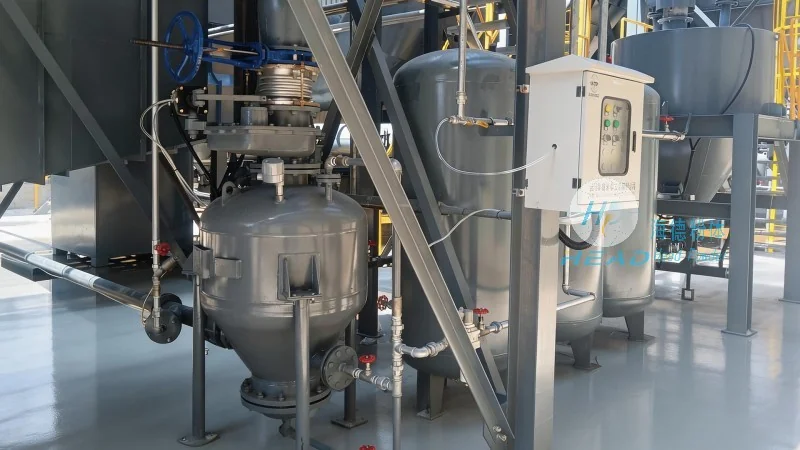
The wheat bran pneumatic conveying system developed by Shandong HeadPowder Engineering Co., Ltd. is widely used in various industries that handle wheat bran. In the animal feed industry, the system efficiently transports bran to feed mills, ensuring consistent feed quality and reducing downtime. In the food processing sector, it is used to move bran for use in baked goods, cereals, and other food products, maintaining product freshness and preventing spoilage. The system is also employed in industrial settings where wheat bran is used as a raw material for biofuel production or other chemical processes, providing a reliable method for material transport. The adaptability of the system allows it to be customized for different production scales, from small-scale operations to large industrial facilities, making it a versatile solution for diverse applications.
Maintenance and Troubleshooting Tips
To ensure the long-term performance and reliability of the wheat bran pneumatic conveying system, regular maintenance is essential. The system should be inspected regularly for signs of wear or damage, particularly in the conveying line and air compressor components. Filters should be cleaned or replaced as needed to prevent clogging and maintain airflow efficiency. The hopper and discharge unit should be checked for blockages or material buildup, which can impede the transport process. In case of system malfunctions, such as reduced airflow or material clogging, troubleshooting steps should be followed systematically. First, check the air compressor or blower for proper operation and pressure levels. Then, inspect the conveying line for obstructions or leaks. If the issue persists, consult the system's user manual or contact technical support from Shandong HeadPowder Engineering Co., Ltd. for further assistance. Regular maintenance and prompt troubleshooting help to minimize downtime and extend the lifespan of the equipment.




