

Operation Process and Working Principle of Hydrogen Sulfide Pneumatic Conveying System Equipment
HeadPowder, a leading provider in the field of material handling solutions, specializes in the design, manufacturing, and installation of advanced pneumatic conveying systems. This article provides a detailed overview of the operation process and working principle of equipment used for the pneumatic transport of hydrogen sulfide, a critical component in various industrial applications.
Company Profile and Background
HeadPowder Engineering Co., Ltd., headquartered in Shandong, China, is dedicated to delivering high-quality engineering solutions for bulk material handling. With years of experience in the industry, the company has developed expertise in handling hazardous materials like hydrogen sulfide, ensuring safety, efficiency, and compliance with international standards. The company's commitment to innovation and customer satisfaction has established it as a trusted partner for businesses requiring reliable pneumatic conveying systems.
Overview of Hydrogen Sulfide Pneumatic Conveying Systems
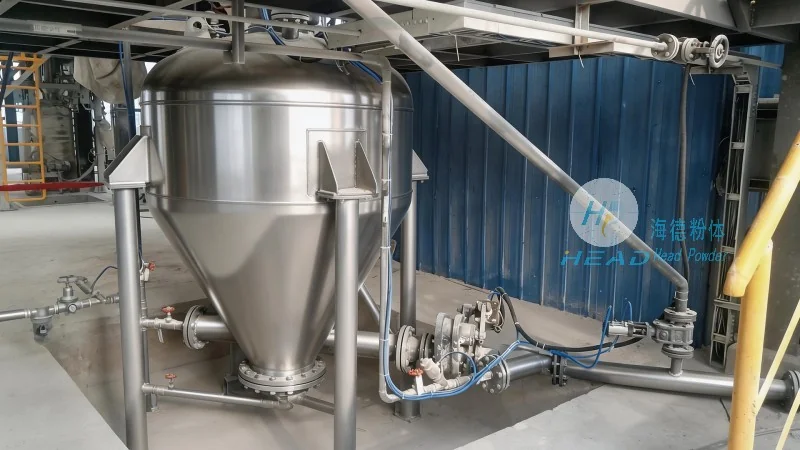
A hydrogen sulfide pneumatic conveying system is a specialized equipment designed to transport hydrogen sulfide gas or its associated powders through a pipeline using air or other gas as the conveying medium. These systems are essential in industries such as chemical processing, mining, and petrochemicals, where the safe and efficient movement of hydrogen sulfide is crucial for operational continuity and safety.
Working Principle of the System
The core working principle of a hydrogen sulfide pneumatic conveying system involves the creation of a flow of air or gas within a pipeline. The system typically consists of a source of hydrogen sulfide, a conveying line, and a receiver or discharge point. The process begins with the introduction of hydrogen sulfide into the system, either as a gas or in a powder form, depending on the application. The conveying medium, usually air, is then introduced into the pipeline, creating a pressure differential that propels the hydrogen sulfide through the system. The system may use either positive or negative pressure (air-assisted or air-lift) to achieve the desired transport. The air flow is carefully controlled to maintain the appropriate velocity and pressure, ensuring that the hydrogen sulfide is transported without clogging or degradation.
Operation Process: Step-by-Step
The operation of a hydrogen sulfide pneumatic conveying system follows a systematic process to ensure safe and efficient transport. The steps involved include:
1. Preparation and Loading: The system is prepared by checking all components, including the pipeline, valves, and air supply. The hydrogen sulfide is loaded into the system, either from a storage tank or a processing unit, ensuring that the correct concentration and pressure are maintained.
2. Initiation of Conveying Medium: The air or gas is introduced into the system, creating the necessary pressure differential. The flow rate is adjusted to match the required conveying capacity, ensuring that the hydrogen sulfide is transported at the optimal velocity.
3. Transport and Delivery: The hydrogen sulfide is propelled through the pipeline by the air flow. The system may include intermediate points for monitoring and control, such as pressure sensors and flow meters, to ensure the process is running smoothly. The material is then discharged into the receiving container or processing unit.
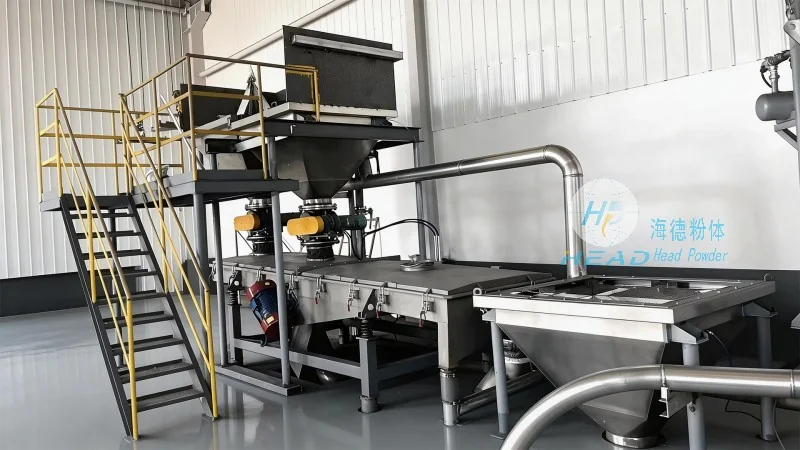
4. Termination and Shutdown: Once the transport is complete, the air flow is stopped, and the system is depressurized. The pipeline is then cleaned and maintained to prevent any accumulation of hydrogen sulfide or other residues.
Key Components and Their Functions
A hydrogen sulfide pneumatic conveying system comprises several key components, each playing a vital role in the overall operation:
1. Source and Storage Unit: This component is responsible for storing and supplying hydrogen sulfide to the system. It may include tanks, pumps, or other equipment to maintain the correct pressure and flow rate.
2. Conveying Line: The pipeline through which the hydrogen sulfide is transported. The material is typically transported in a dilute phase (where the material is suspended in the air) or a dense phase (where the material is in a slurry-like state), depending on the system design and the properties of the hydrogen sulfide.
3. Air Supply System: This includes the air compressor, filters, and regulators that provide the necessary air or gas to create the conveying pressure. The air quality is critical, as contaminants can affect the performance and safety of the system.
4. Valves and Controls: These components regulate the flow of hydrogen sulfide and the air, ensuring that the system operates within safe parameters. They include check valves, control valves, and pressure relief devices to prevent over-pressurization and ensure smooth operation.
5. Receiver and Discharge Unit: The final component where the hydrogen sulfide is deposited. This may include hoppers, silos, or other storage vessels, designed to handle the material safely and efficiently.
Safety Considerations and Compliance
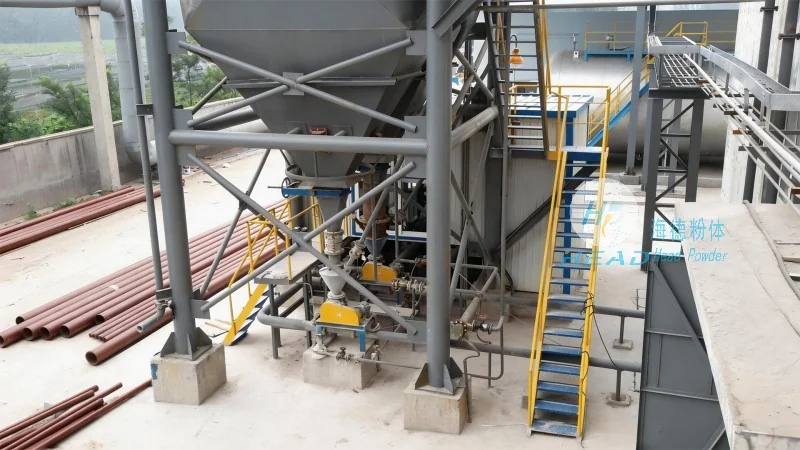
Given the hazardous nature of hydrogen sulfide, safety is a paramount concern in the operation of pneumatic conveying systems. The equipment must comply with relevant safety standards and regulations, such as those from OSHA (Occupational Safety and Health Administration) and other international bodies. Key safety measures include proper ventilation, explosion-proof designs, and emergency shutdown systems. Additionally, regular maintenance and inspections are required to ensure the system remains in good working condition and to prevent any leaks or failures.
Advantages of Hydrogen Sulfide Pneumatic Conveying Systems
Implementing a hydrogen sulfide pneumatic conveying system offers several advantages over traditional material handling methods. These include:
1. Increased Efficiency: The system allows for continuous and automated transport of hydrogen sulfide, reducing labor costs and improving production throughput.
2. Reduced Downtime: The use of pneumatic conveying minimizes the need for manual handling, which can lead to accidents and delays. The system can operate 24/7, ensuring uninterrupted production.
3. Improved Safety: By eliminating the need for manual handling of hazardous materials, the risk of exposure and accidents is significantly reduced. The enclosed system also prevents the release of hydrogen sulfide into the environment.
4. Space Efficiency: Pneumatic conveying systems can be installed in tight spaces, making them suitable for facilities with limited room for material handling equipment.
Conclusion
HeadPowder Engineering Co., Ltd. provides comprehensive solutions for hydrogen sulfide pneumatic conveying systems, combining advanced technology with rigorous safety standards. The operation process and working principle of these systems ensure efficient and safe transport of hydrogen sulfide, supporting the needs of various industrial applications. By adhering to industry best practices and maintaining high-quality standards, HeadPowder continues to deliver reliable and effective material handling solutions to its clients in Shandong, China, and beyond.