

Operation Process and Working Principle of Hot Dry Ash Pneumatic Conveying System Equipment
Shandong HeadPowder Engineering Co., Ltd., a leading provider in the field, specializes in the design, manufacturing, and installation of advanced pneumatic conveying systems for hot dry ash. The company, based in Shandong, China, leverages years of industry experience to deliver efficient and reliable solutions tailored to the unique needs of power plants and industrial facilities. This article explores the operational process and working principles of such systems, highlighting the key components and mechanisms that ensure effective ash transportation.
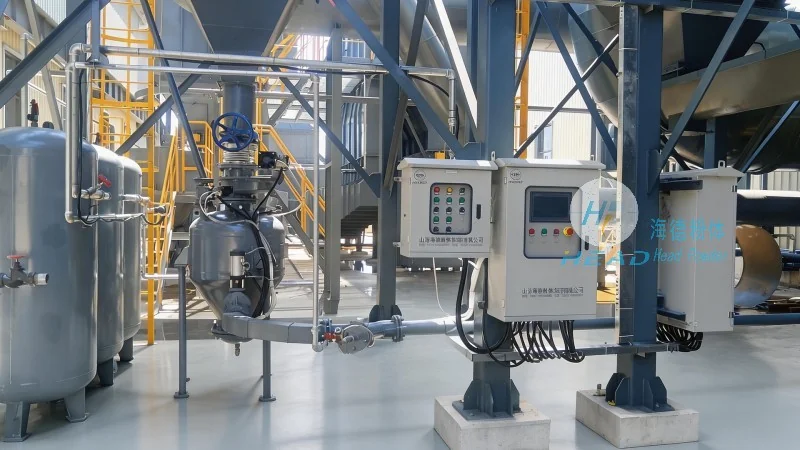
Key Components of the Pneumatic Conveying System
The hot dry ash pneumatic conveying system typically consists of several critical components, each playing a vital role in the overall operation. These include the ash collection hopper, the air compressor or blower, the conveying pipeline, the control system, and the discharge equipment. The ash collection hopper is designed to collect the hot dry ash from the boiler or other ash-producing equipment, ensuring a consistent feed to the system. The air compressor or blower generates the necessary airflow to move the ash particles through the pipeline. The conveying pipeline, often made of high-temperature resistant materials like stainless steel or special alloys, is designed to withstand the high temperatures and abrasive nature of the ash. The control system monitors and regulates the airflow, pressure, and ash feed rate to maintain optimal operation. The discharge equipment, such as a rotary valve or a dust collector, safely discharges the ash to the storage or disposal area.
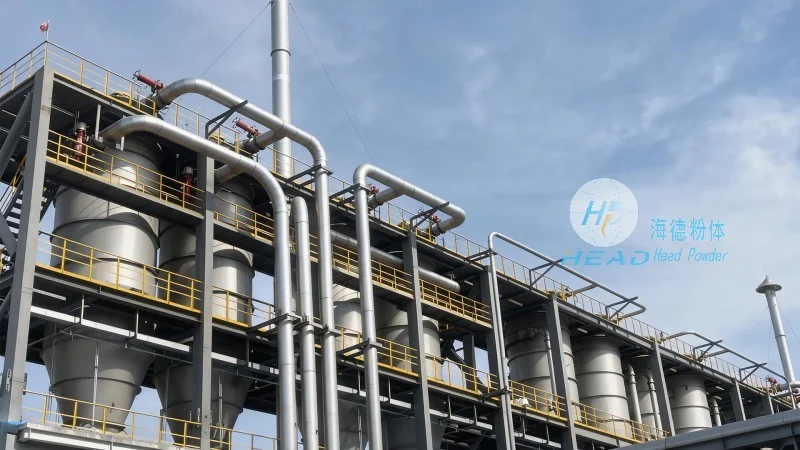
Operation Process of the Hot Dry Ash Pneumatic Conveying System
The operation of the hot dry ash pneumatic conveying system involves a series of coordinated steps to ensure efficient ash transportation. The process begins with the collection of hot dry ash from the boiler or other ash-producing equipment, which is fed into the ash collection hopper. The control system then activates the air compressor or blower, which generates the required airflow. The ash is then drawn from the hopper into the conveying pipeline by the airflow. As the ash particles travel through the pipeline, they are carried by the air stream, which maintains a sufficient velocity to prevent particle deposition. The system continuously monitors the pressure and flow rates to ensure that the ash is conveyed at the desired speed and quantity. Upon reaching the discharge point, the ash is released into the storage or disposal area, completing the cycle. The entire process is automated and controlled to minimize human intervention and maximize efficiency.
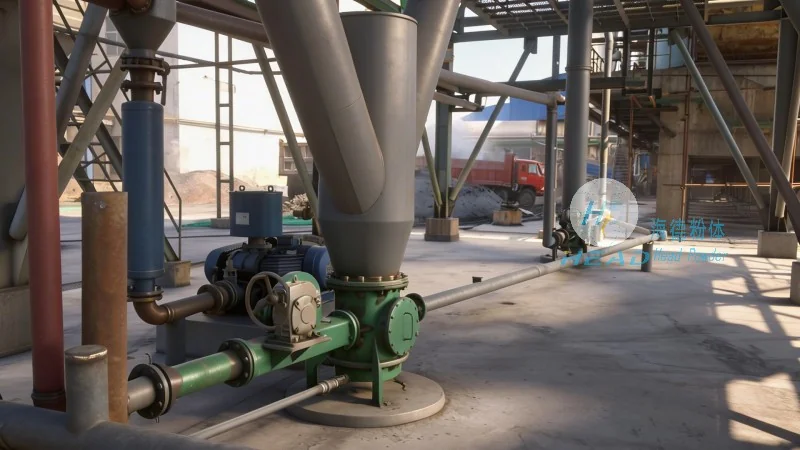
Working Principle of the Pneumatic Conveying System
The working principle of the hot dry ash pneumatic conveying system is based on the fundamental concept of pneumatic transport, where solid particles are suspended and transported by a moving air stream. The system operates on the principle of creating a pressure differential between the inlet and outlet of the conveying pipeline. The air compressor or blower creates a high-pressure air stream at the inlet, which draws the ash particles from the hopper into the pipeline. The air stream maintains a sufficient velocity to keep the ash particles in suspension, preventing them from settling or clogging the pipeline. The control system continuously adjusts the airflow rate and pressure to maintain the optimal suspension of the ash particles. The discharge equipment at the end of the pipeline safely releases the ash, completing the transport process. This principle allows for the efficient and reliable transportation of hot dry ash over long distances, without the need for mechanical conveyors or other traditional methods.
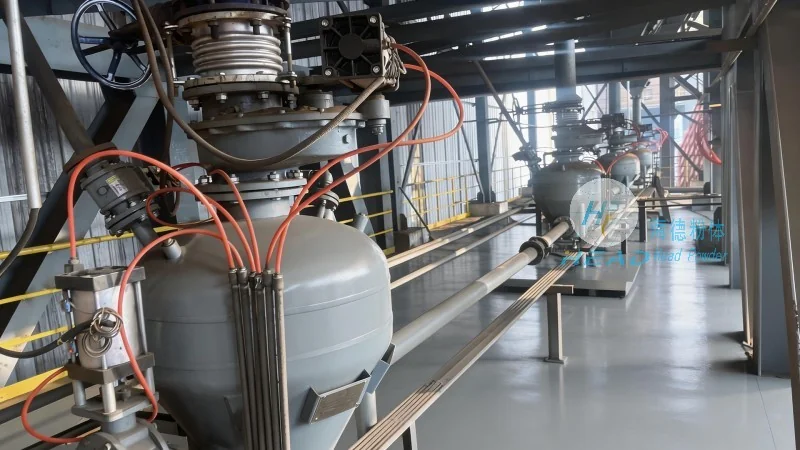
Advantages and Applications
Shandong HeadPowder Engineering Co., Ltd.'s hot dry ash pneumatic conveying systems offer several advantages over traditional ash handling methods. These include high efficiency, as the system can transport ash over long distances with minimal energy consumption. The systems are also highly reliable, with automated controls that ensure consistent operation. Additionally, the systems are designed to minimize environmental impact, as they reduce dust emissions and improve safety in the ash handling process. The company's systems are widely used in power plants, especially those with coal-fired boilers, where the transportation of hot dry ash is a critical operation. The systems are also suitable for other industrial applications, such as in the chemical and cement industries, where ash or similar materials need to be transported efficiently.