

Operation Process and Working Principle of Polyethylene Pneumatic Conveying System Equipment
For industrial applications involving the handling of polyethylene materials, efficient and reliable material transport is crucial. The polyethylene pneumatic conveying system equipment, developed by Shandong HeadPowder Engineering Co., Ltd., offers a sophisticated solution that integrates advanced technology to ensure seamless material transfer. This equipment is designed to handle polyethylene powders or granules with precision, minimizing material loss and optimizing operational efficiency.
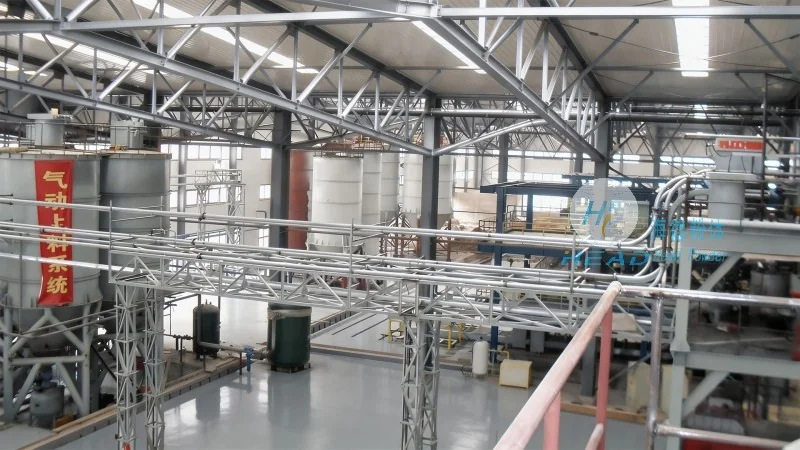
Working Principle of the Pneumatic Conveying System
The core of the polyethylene pneumatic conveying system lies in its air-driven mechanism. The system operates by using compressed air to create a flow that transports polyethylene particles through a network of pipes. The process begins with the material being fed into a hopper or feeder, where it is then drawn into the conveying line by the pressure differential created by the air flow. The air velocity within the system is carefully controlled to ensure that the polyethylene particles are suspended and moved efficiently without causing excessive wear or degradation. This air-driven approach eliminates the need for mechanical components like belts or screws, reducing maintenance requirements and enhancing the overall durability of the system.
Key Components and Their Functions
The polyethylene pneumatic conveying system comprises several critical components, each playing a vital role in the overall operation. The primary components include the material feeder, which ensures a consistent and controlled flow of polyethylene into the system; the air compressor, which generates the necessary compressed air to drive the conveying process; the conveying line, which forms the pathway for the material and air mixture; and the receiver or discharge unit, where the polyethylene is deposited at the destination. Additionally, the system may incorporate filters and cyclones to separate any air from the material stream, ensuring that the polyethylene is delivered in a clean and dry state. The design of these components is optimized to handle the specific properties of polyethylene, such as its low density and potential for static electricity, by incorporating anti-static features and appropriate material selection for the internal surfaces.
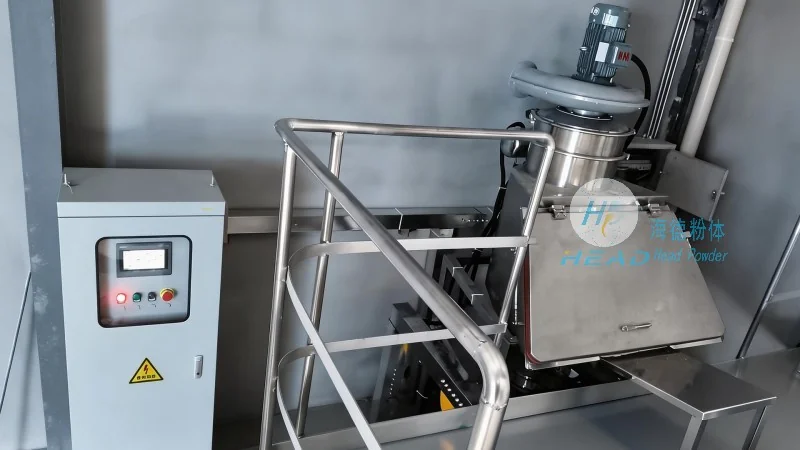
Operation Process Step-by-Step
The operation of the polyethylene pneumatic conveying system follows a systematic sequence of steps. Initially, the polyethylene material is loaded into the hopper or storage container. The feeder then regulates the flow rate, ensuring a steady supply of material to the system. Simultaneously, the air compressor starts, producing compressed air that is directed into the conveying line. As the air flows through the line, it creates a negative pressure at the inlet, drawing the polyethylene particles into the air stream. The material is then carried through the pipeline to the discharge point, where it is collected in the receiver. The system continuously monitors the air pressure and flow rate to maintain optimal conveying conditions, adjusting as needed to prevent blockages or inefficient transport. This step-by-step process ensures that the polyethylene is transported safely and efficiently, with minimal downtime and maximum throughput.
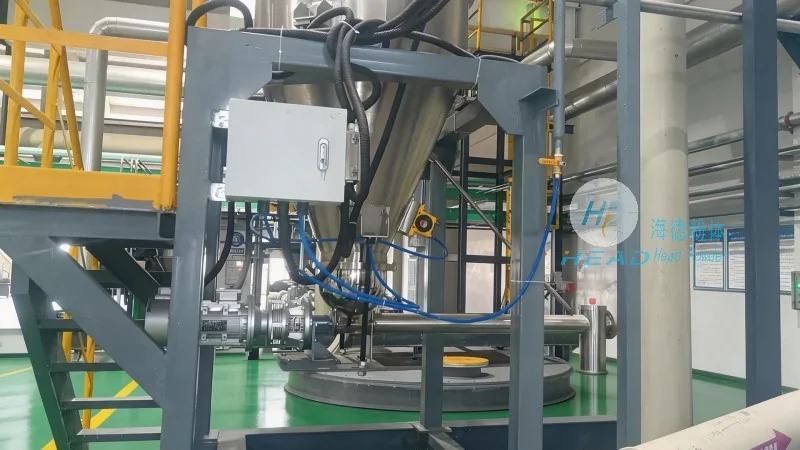
Advantages of Using Polyethylene Pneumatic Conveying Systems
Implementing a polyethylene pneumatic conveying system offers numerous advantages for industrial operations. One of the key benefits is the reduction in material handling costs, as the system eliminates the need for manual or mechanical loading and unloading. The air-driven mechanism also minimizes the risk of material contamination, as the system is enclosed and sealed, preventing exposure to external elements. Additionally, the system provides a high degree of flexibility in terms of layout, as the conveying lines can be arranged in various configurations to suit the specific needs of the facility. The low maintenance requirements of the system contribute to long-term cost savings, as there are fewer moving parts and less wear on components. Furthermore, the system is capable of handling a wide range of polyethylene particle sizes and shapes, making it suitable for diverse applications in the plastics industry.
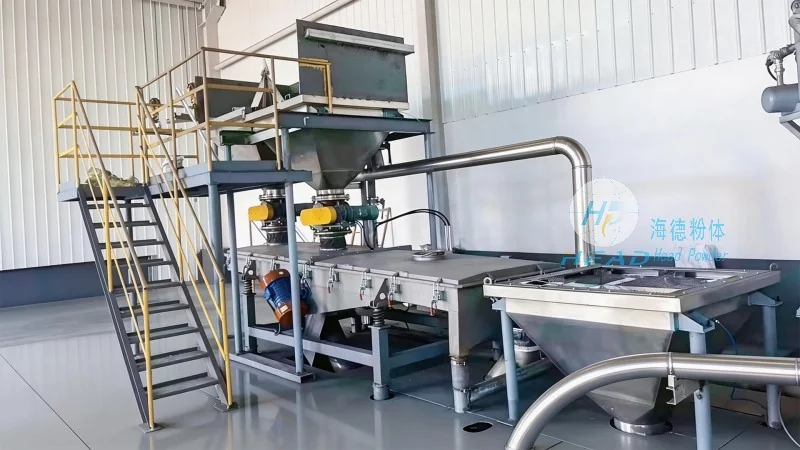
Applications in the Plastics Industry
The polyethylene pneumatic conveying system is widely used in various applications within the plastics industry. In manufacturing facilities, it is employed to transport polyethylene pellets from storage silos to processing machines, such as extruders or injection molding equipment. The system ensures a continuous and uninterrupted supply of material, which is essential for maintaining production rates. In recycling operations, the equipment is used to convey polyethylene waste from collection points to processing units, where it is cleaned and prepared for reprocessing. The system's ability to handle both clean and contaminated polyethylene makes it suitable for recycling applications, contributing to the sustainability of the plastics industry. Additionally, the system is utilized in packaging plants to transport polyethylene films or sheets to packaging lines, ensuring efficient and consistent material delivery for product packaging.
Conclusion and Company Information
Shandong HeadPowder Engineering Co., Ltd. specializes in the design, manufacturing, and installation of advanced polyethylene pneumatic conveying systems. With a focus on innovation and customer satisfaction, the company provides tailored solutions that meet the specific requirements of industrial applications. The polyethylene pneumatic conveying system equipment, as described, represents a reliable and efficient solution for material handling in the plastics industry. By leveraging the expertise of HeadPowder, industries can enhance their operational efficiency, reduce costs, and improve the overall quality of their polyethylene handling processes. The company's commitment to quality and performance ensures that clients receive systems that are durable, easy to maintain, and capable of delivering consistent results in their material transport needs.