Chloroprene rubber, also known as neoprene, is a synthetic polymer widely used in industrial applications due to its excellent resistance to oil, chemicals, and weathering. The pneumatic conveying system is a critical component for transporting chloroprene rubber powder or granules efficiently and safely. This article provides an in-depth look at the operation process and working principle of such systems, highlighting the key components, operational steps, and technical aspects that ensure reliable performance.
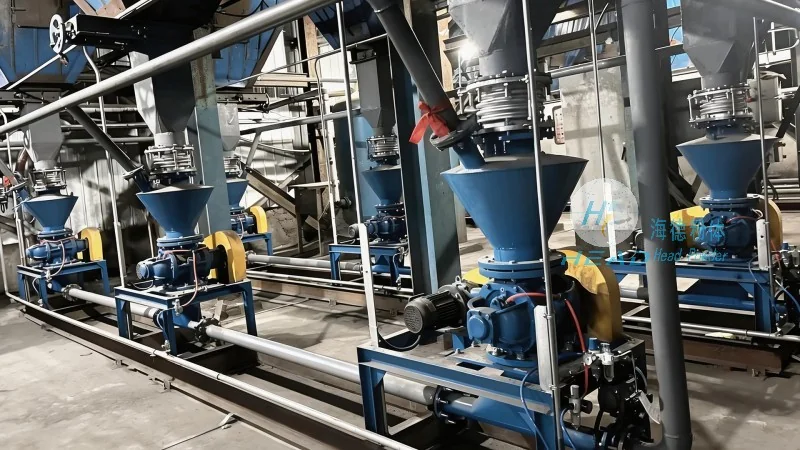
About HeadPowder: A Leading Provider of Pneumatic Conveying Solutions
HeadPowder, operating as Shandong HeadPowder Engineering Co., Ltd., is a reputable company based in Shandong, China. With a strong commitment to innovation and quality, HeadPowder specializes in designing, manufacturing, and supplying advanced pneumatic conveying systems tailored to the needs of the rubber and chemical industries. The company’s expertise lies in optimizing material handling processes, ensuring minimal product degradation, and enhancing overall operational efficiency for clients worldwide.
Key Components of the Chloroprene Rubber Pneumatic Conveying System
The pneumatic conveying system for chloroprene rubber typically consists of several essential components that work in harmony to achieve efficient material transport. These include the hopper (feeder), air compressor or blower, conveying line (pipeline), control valves, and dust collection system. Each component plays a crucial role in the system’s functionality, and their proper integration is vital for smooth operation.
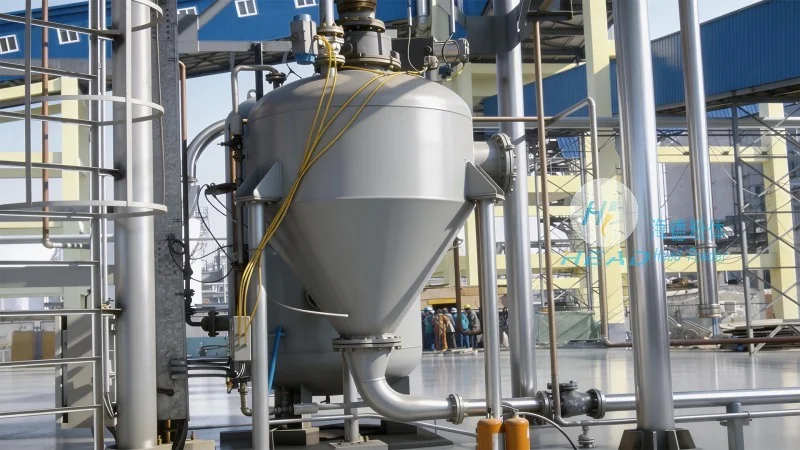
The Operation Process: Step-by-Step Guide
The operation of a chloroprene rubber pneumatic conveying system follows a systematic sequence to ensure safe and effective material transfer. The process begins with the loading of chloroprene rubber into the hopper. The feeder then regulates the flow of material into the conveying line. Simultaneously, the air compressor generates the necessary air pressure to create a flow of air through the pipeline. As the air and material mixture moves through the conveying line, it is directed towards the destination point, such as a storage silo or processing unit. The system may include control valves to adjust the air flow and material discharge rate as needed. Finally, the dust collection system captures any airborne particles, ensuring compliance with environmental regulations and maintaining a clean working environment.
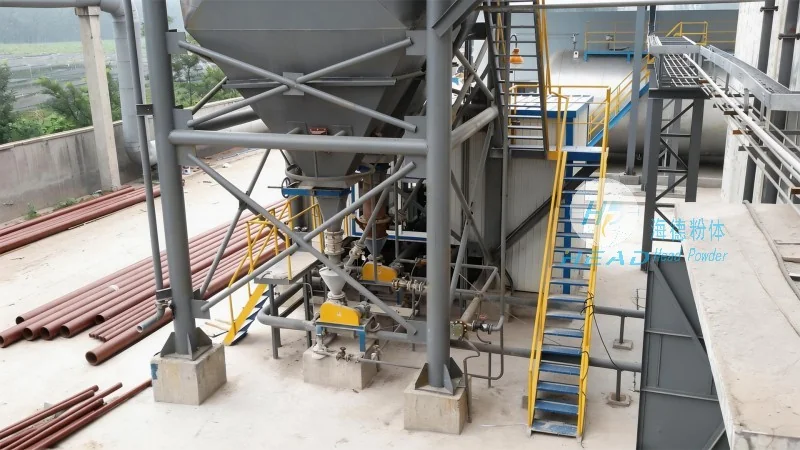
Working Principle: How the System Transports Chloroprene Rubber
The working principle of the pneumatic conveying system relies on the fundamental concept of fluidization and pneumatic transport. When air is introduced into the conveying line at a high velocity, it creates a low-pressure zone that draws the chloroprene rubber particles into the air stream. This process, known as pneumatic conveying, allows the material to be transported without direct contact with mechanical components, reducing the risk of product contamination and degradation. The system’s design, including the size of the conveying line, air velocity, and material characteristics, is carefully optimized to achieve the desired flow rate and pressure levels, ensuring consistent and reliable performance.
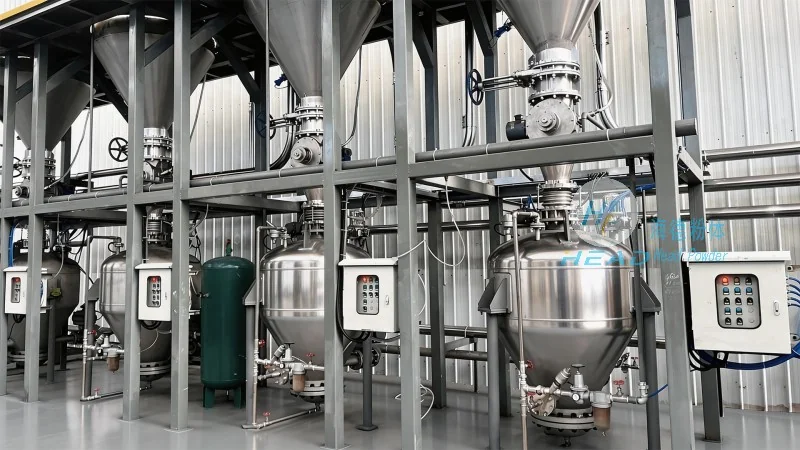
Benefits and Advantages of Using Chloroprene Rubber Pneumatic Conveying Systems
Implementing a pneumatic conveying system for chloroprene rubber offers numerous benefits to industrial operations. These include reduced labor costs due to automated material handling, minimized product loss and degradation through gentle transport, and improved safety by eliminating manual handling of powders. Additionally, the system’s flexibility allows for easy integration with existing production lines and can be customized to accommodate varying material flow rates and processing requirements. The environmental advantages, such as reduced dust emissions and improved air quality, further enhance the appeal of pneumatic conveying systems in modern industrial settings.
Conclusion: Trust HeadPowder for Reliable Pneumatic Conveying Solutions
For businesses seeking efficient and reliable methods to handle chloroprene rubber, the pneumatic conveying system is an excellent choice. With its robust design and advanced technology, this system ensures consistent performance and minimal downtime. HeadPowder, based in Shandong, China, stands out as a trusted partner in providing high-quality pneumatic conveying solutions tailored to the specific needs of the rubber industry. By leveraging their expertise and commitment to quality, companies can enhance their material handling processes and achieve greater operational efficiency.




