

Operation Process and Working Principle of Urea Granule Pneumatic Conveying System Equipment
Urea granule pneumatic conveying systems are critical components in modern industrial operations, particularly in the fertilizer and chemical sectors. These systems efficiently transport urea granules from storage to processing or packaging areas, ensuring smooth material flow and operational efficiency. The equipment, manufactured by Shandong HeadPowder Engineering Co., Ltd., a leading provider in the field, exemplifies advanced engineering and reliable performance.
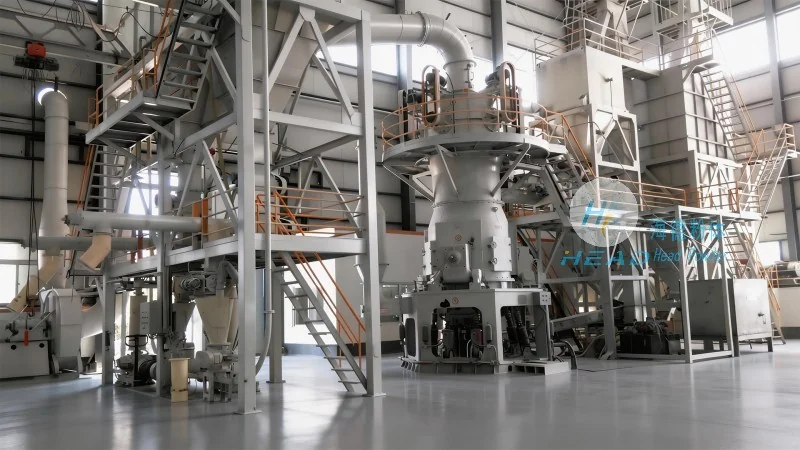
Company Profile
HeadPowder, or Shandong HeadPowder Engineering Co., Ltd., is headquartered in Shandong, China. The company specializes in the design, manufacturing, and installation of pneumatic conveying systems tailored to diverse industrial needs. With a strong commitment to quality and innovation, HeadPowder has established itself as a trusted partner for clients seeking efficient material handling solutions.
Working Principle of Urea Granule Pneumatic Conveying Systems
The core of a urea granule pneumatic conveying system lies in its ability to transport bulk materials through a pressurized air stream. The system typically consists of a hopper for material storage, a blower or compressor to generate the air pressure, a pipeline network for material transport, and a receiver or discharge unit for material deposition. The process begins with the urea granules being fed from the hopper into the pipeline. As the air is introduced, it creates a low-pressure zone that draws the granules along with the air flow, forming a dense phase or dilute phase conveying system depending on the operational parameters.
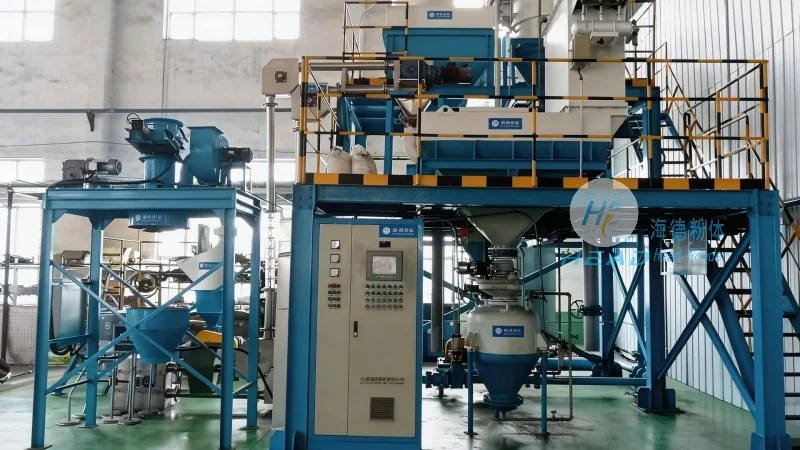
Operation Process of the Equipment
The operation of the urea granule pneumatic conveying system follows a systematic sequence to ensure optimal performance. Initially, the system is started by activating the blower, which establishes the necessary air pressure. Simultaneously, the urea granules are fed into the hopper, where they are metered and introduced into the pipeline. The air and granules mix in the pipeline, traveling to the discharge point. At the receiving end, the material is separated from the air, often through a cyclone separator or filter, and collected in a storage bin or directly into the next processing stage. The system continuously monitors pressure, flow, and material level to maintain stable operation and prevent blockages or overloading.
Key Components and Their Functions
Several critical components contribute to the effective operation of the urea granule pneumatic conveying system. The hopper serves as the primary storage vessel, equipped with a feeder to control the material flow rate. The blower or compressor generates the air pressure required for conveying, with adjustable speed or pressure settings to accommodate varying material characteristics and pipeline lengths. The pipeline network, usually made of stainless steel or other corrosion-resistant materials, ensures the safe and efficient transport of the urea granules and air mixture. The receiver or discharge unit is designed to separate the material from the air, often using a cyclone separator that utilizes centrifugal force to separate the granules from the air stream. Additional components may include filters to remove dust, pressure relief valves to prevent overpressure, and control panels to monitor and regulate the system's operation.
Advantages of Urea Granule Pneumatic Conveying Systems
Urea granule pneumatic conveying systems offer several advantages over traditional mechanical conveying methods. These include reduced labor costs due to automated material handling, minimized material degradation and contamination as the granules are not in direct contact with mechanical parts, and improved safety by eliminating the need for manual handling of bulk materials. The systems also provide flexibility in layout, allowing for complex pipeline configurations to suit facility designs. Additionally, the ability to convey materials over long distances with minimal energy consumption makes these systems economically viable for large-scale industrial applications.
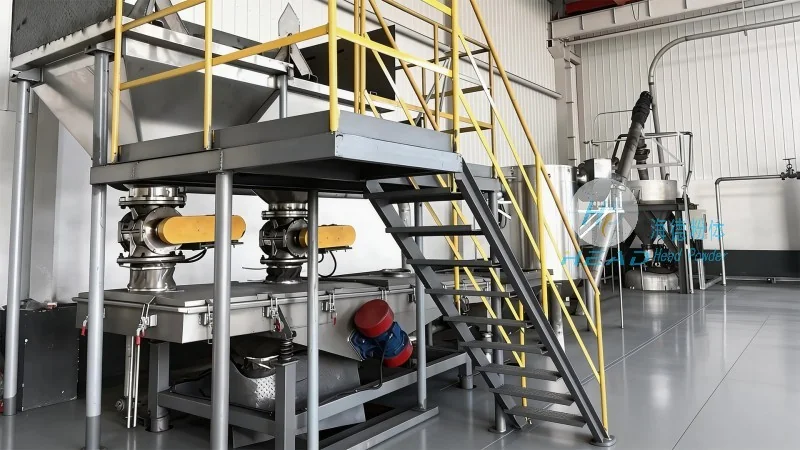
Maintenance and Operational Considerations
To ensure the long-term reliability and efficiency of the urea granule pneumatic conveying system, regular maintenance is essential. This includes inspecting and cleaning the hopper and feeder to prevent material buildup, checking the blower or compressor for proper performance and air leakage, and maintaining the pipeline for any signs of wear or blockage. Regular filter changes are necessary to prevent dust accumulation and maintain air quality. Operational considerations also involve monitoring system parameters such as pressure, flow rate, and material level to detect any deviations that may indicate issues like blockages or air leaks. Proper training of operators on system operation and maintenance procedures is crucial to prevent downtime and ensure safe operation.
Application Examples
The urea granule pneumatic conveying systems manufactured by Shandong HeadPowder Engineering Co., Ltd. are widely used in various industrial applications. In the fertilizer industry, these systems efficiently transport urea granules from storage silos to production lines or packaging facilities. In chemical processing plants, they are used to convey urea granules to reactors or mixing units. The systems are also applicable in other sectors such as food processing, where urea may be used as a processing aid, or in research and development facilities for material handling experiments. The adaptability of the system to different material characteristics and operational conditions makes it a versatile solution for diverse industrial needs.