

Operation Process and Working Principle of Sodium Chloride Pneumatic Conveying System Equipment
HeadPowder, a leading enterprise in the field of powder processing technology, specializes in the design, manufacturing, and supply of advanced pneumatic conveying systems. Based in Shandong, China, the company has established itself as a trusted partner for industries requiring efficient and reliable sodium chloride handling solutions. This article provides a detailed overview of the operation process and working principle of the sodium chloride pneumatic conveying system equipment, highlighting the key components, operational steps, and technical advantages that make it an optimal choice for various industrial applications.
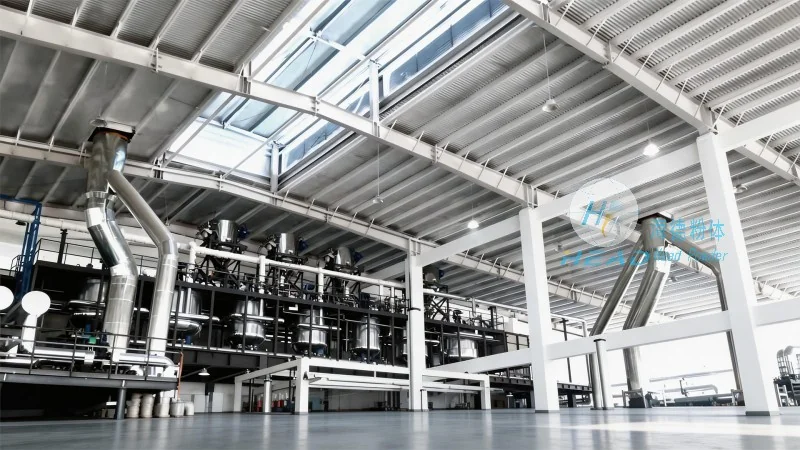
Overview of the Sodium Chloride Pneumatic Conveying System
The sodium chloride pneumatic conveying system is a sophisticated piece of equipment engineered to transport sodium chloride powder through a pipeline using compressed air. This system combines the principles of pneumatic transport with advanced engineering to ensure safe, efficient, and low-cost material handling. The system is particularly suitable for applications where traditional mechanical conveyors may face challenges, such as handling fine powders or materials with high moisture content. HeadPowder's system is designed to meet the specific requirements of the sodium chloride industry, offering customizable solutions that enhance productivity and reduce operational costs.
Key Components of the Pneumatic Conveying System
The pneumatic conveying system for sodium chloride typically consists of several critical components that work in tandem to achieve effective material transport. These components include a hopper for material storage, a feeder to control the flow rate, a compressor to generate the necessary air pressure, a pipeline network for material and air transport, and a receiver for the discharged material. Each component plays a vital role in the overall operation of the system, and their proper integration ensures smooth and continuous conveying. The hopper is designed to hold a sufficient quantity of sodium chloride, allowing for consistent feeding without interruptions. The feeder, often a rotary valve or a screw feeder, regulates the flow of powder into the pipeline, preventing blockages and maintaining a steady air-powder ratio. The compressor, which can be a positive displacement or centrifugal type, generates the compressed air required to move the material through the pipeline. The pipeline network, made of durable materials such as stainless steel or PVC, ensures the safe and efficient transport of the sodium chloride. Finally, the receiver collects the material at the destination point, completing the conveying process.
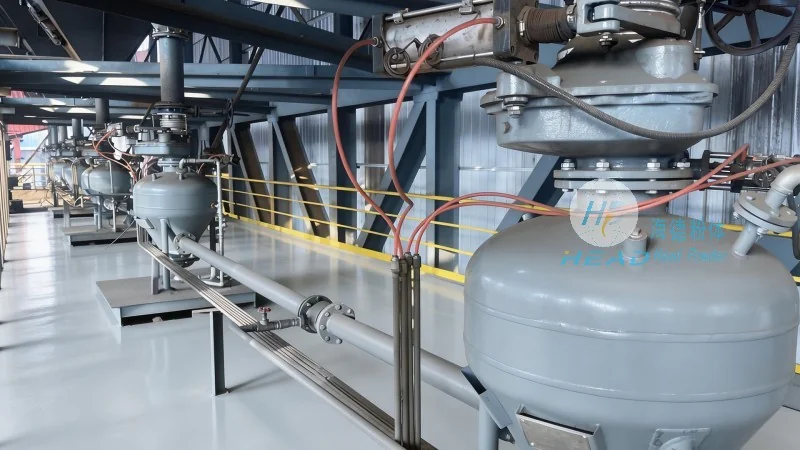
Working Principle of the Pneumatic Conveying System
The working principle of the sodium chloride pneumatic conveying system is based on the principle of fluidization and suspension. When compressed air is introduced into the pipeline, it creates a low-pressure environment that lifts the sodium chloride particles and suspends them in the air stream. This suspension allows the material to be transported through the pipeline as a slurry, rather than as a solid block. The air-powder ratio is a critical parameter that determines the efficiency of the system. An optimal ratio ensures that the material is fully suspended and transported without excessive pressure drop or material degradation. The system operates by first feeding the sodium chloride into the pipeline, where it is mixed with the compressed air. The air stream carries the particles forward, maintaining a consistent velocity to prevent settling or blockages. The receiver at the end of the pipeline collects the material as it is discharged from the air stream, completing the cycle. The system can operate in either positive or negative pressure modes, depending on the application requirements. Positive pressure systems are commonly used for long-distance or high-rise conveying, while negative pressure systems are suitable for short-distance or indoor applications.
Operation Process of the Sodium Chloride Pneumatic Conveying System
The operation process of the sodium chloride pneumatic conveying system involves several sequential steps that ensure the smooth and efficient transport of the material. The process begins with the loading of the sodium chloride into the hopper. The feeder then starts to regulate the flow rate, ensuring a consistent supply of material into the pipeline. Simultaneously, the compressor is activated to generate the required compressed air. The air is introduced into the pipeline at the inlet of the hopper, creating a low-pressure zone that lifts the material. The material is then carried forward by the air stream, traveling through the pipeline network to the receiver. At the receiver, the material is discharged as the air stream is filtered and vented to the atmosphere. The system continuously monitors the flow rate and pressure to maintain optimal operation. Any deviations in the flow rate or pressure are automatically adjusted by the control system to ensure consistent performance. This automation enhances the reliability and efficiency of the system, making it suitable for continuous industrial operations.
Advantages of the Sodium Chloride Pneumatic Conveying System
HeadPowder's sodium chloride pneumatic conveying system offers several advantages that make it a preferred choice for industrial applications. One of the key advantages is its ability to handle fine powders and prevent material degradation. The system's design minimizes friction and impact, ensuring that the sodium chloride particles remain intact during transport. This is particularly important for sodium chloride, as it is often used in applications where particle size and purity are critical. Another advantage is the system's flexibility in terms of material handling. It can be configured to handle different particle sizes and flow rates, making it suitable for a wide range of applications. The system also offers low maintenance requirements, as the components are designed to withstand the abrasive nature of the sodium chloride. Additionally, the system is energy-efficient, with the compressed air consumption optimized to minimize operational costs. The use of stainless steel or other corrosion-resistant materials ensures the longevity of the system, reducing the need for frequent replacements and maintenance.
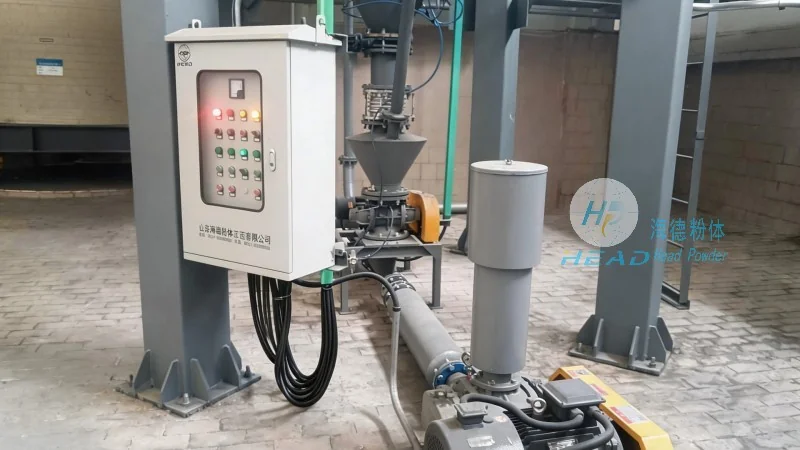
Applications of the Sodium Chloride Pneumatic Conveying System
The sodium chloride pneumatic conveying system is widely used in various industries that require the handling of sodium chloride. Some of the common applications include the food industry, where sodium chloride is used as a preservative and flavor enhancer. The system is used to transport sodium chloride from storage to processing facilities, ensuring a consistent supply of material. In the chemical industry, sodium chloride is used as a raw material for the production of other chemicals, such as chlorine and sodium hydroxide. The pneumatic conveying system is used to transport the sodium chloride from storage to the production line, improving the efficiency of the manufacturing process. The pharmaceutical industry also uses sodium chloride as an excipient in drug formulations. The system is used to transport the sodium chloride to the formulation area, ensuring that the material is handled in a clean and hygienic manner. Additionally, the system is used in the water treatment industry, where sodium chloride is used for water softening and desalination processes. The system's ability to handle fine powders and maintain material purity makes it an ideal choice for these applications.
Conclusion
HeadPowder's sodium chloride pneumatic conveying system equipment is a reliable and efficient solution for the handling of sodium chloride in various industrial applications. The system's design, based on advanced pneumatic transport principles, ensures safe and low-cost material handling. The key components, working principle, and operation process are carefully engineered to meet the specific requirements of the sodium chloride industry. The system offers several advantages, including material integrity, flexibility, low maintenance, and energy efficiency. With its headquarters in Shandong, China, HeadPowder has established itself as a leading provider of pneumatic conveying systems, offering customized solutions that enhance productivity and reduce operational costs. The sodium chloride pneumatic conveying system is an optimal choice for industries seeking to improve their material handling processes and achieve higher levels of efficiency and reliability.