

Operating Process and Working Principle of Zinc Oxide Pneumatic Conveying System Equipment
In industrial settings, the efficient handling of zinc oxide is essential for maintaining production efficiency and product quality. The pneumatic conveying system stands out as a sophisticated solution for transporting this material, offering advantages such as reduced labor costs, minimized material loss, and enhanced safety compared to traditional methods like manual handling or mechanical conveyors. This equipment is particularly valuable in applications where zinc oxide is used in pharmaceuticals, chemicals, or other industries where precision and cleanliness are paramount. Understanding the operating process and working principle of the pneumatic conveying system is crucial for optimizing its performance and ensuring it meets the specific requirements of zinc oxide handling operations.
Core Components and Their Functions in the Pneumatic Conveying System
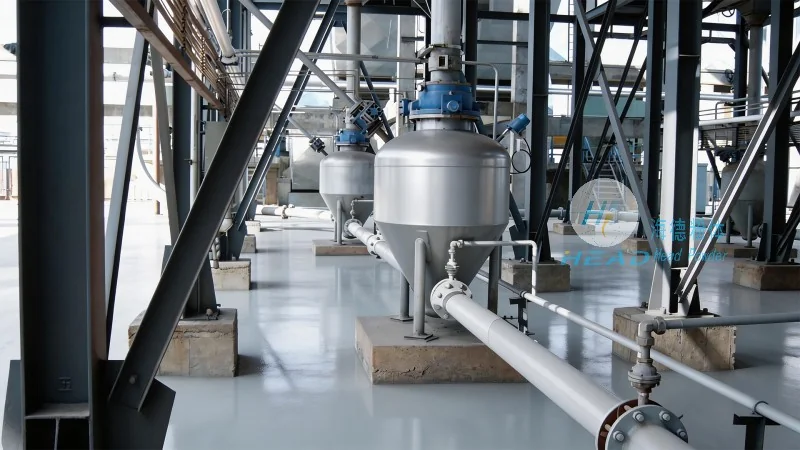
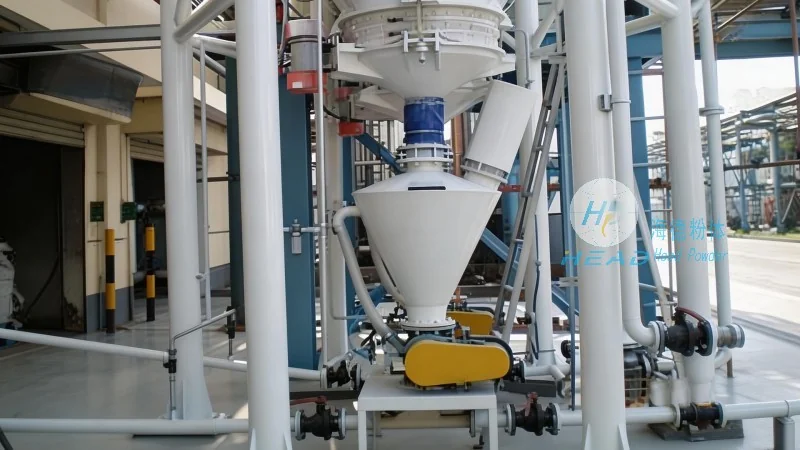
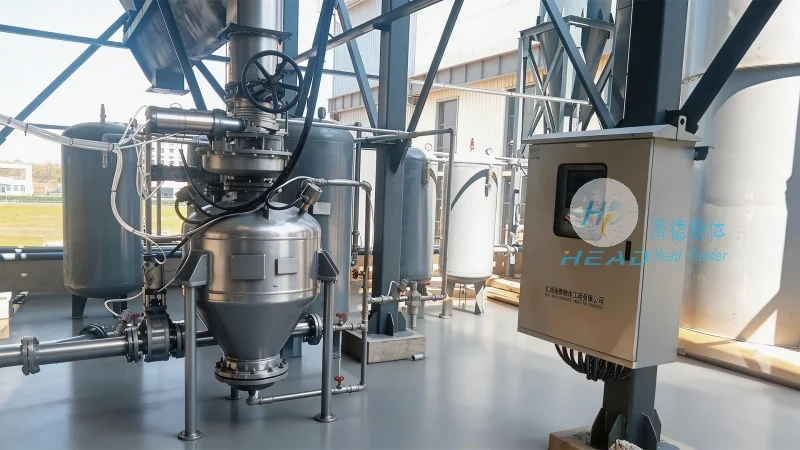
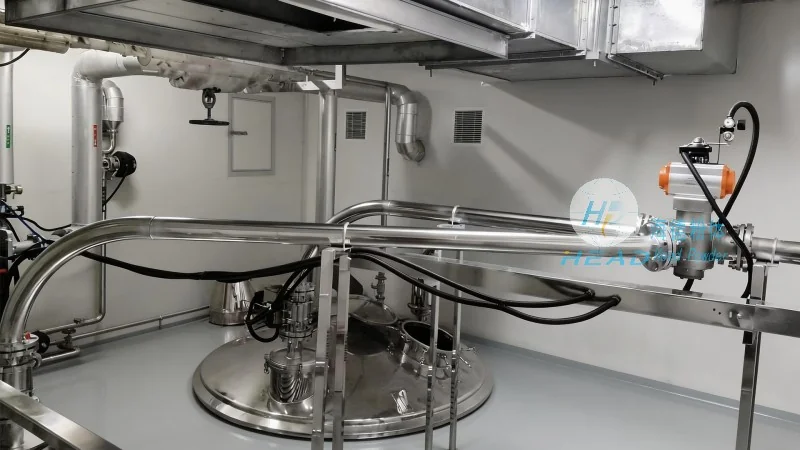
The zinc oxide pneumatic conveying system is composed of several interrelated components that work together to achieve effective material transport. The primary components include the material hopper, which serves as the storage and feeding unit for zinc oxide; the air compressor, which generates the necessary pressure to move the material; the conveying pipeline, where the material is propelled by the air flow; and the control panel, which monitors and regulates the system's operation. The hopper is typically designed with a sloped bottom to facilitate smooth material discharge and prevent clogging. The air compressor is chosen based on the system's capacity and the required air pressure, ensuring sufficient airflow to transport the zinc oxide particles without excessive energy consumption. The conveying pipeline is usually made of durable materials like stainless steel or plastic, selected to withstand the corrosive nature of zinc oxide and maintain hygiene standards. The control panel integrates sensors and valves to adjust air pressure, flow rate, and material feed rate, allowing for real-time adjustments to maintain optimal system performance.