Headpowder, a leading manufacturer based in Shandong, China, specializes in advanced pneumatic conveying systems designed for efficient handling of joint compound materials. This article explores the operational process and underlying principles of such systems, highlighting their key components and how they ensure reliable material transport.
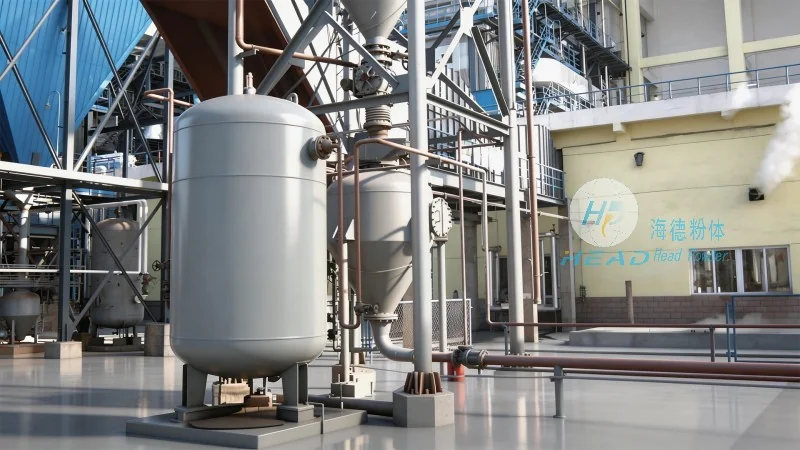
Key Components of the Pneumatic Conveying System
The pneumatic conveying system for joint compound typically consists of several critical components that work in tandem to achieve effective material transfer. These include the hopper, which serves as the storage container for the joint compound; the air compressor or blower, responsible for generating the necessary air pressure; the pipeline network that transports the material; and the receiver or discharge unit where the material is deposited. Each component plays a vital role in maintaining the system's efficiency and preventing material degradation or blockages.
Working Principle of the Pneumatic Conveying Process
The core of the pneumatic conveying system lies in the principle of air movement and material suspension. When the air compressor operates, it forces air through the pipeline at a high velocity. This airflow creates a negative pressure or positive pressure environment, depending on the system design, which draws the joint compound particles into the air stream. The particles are then carried along the pipeline as a slurry or dilute phase flow, moving from the hopper to the receiver. The system's design, including the air velocity and pipeline diameter, is carefully optimized to ensure that the joint compound remains suspended without settling or clogging the lines.
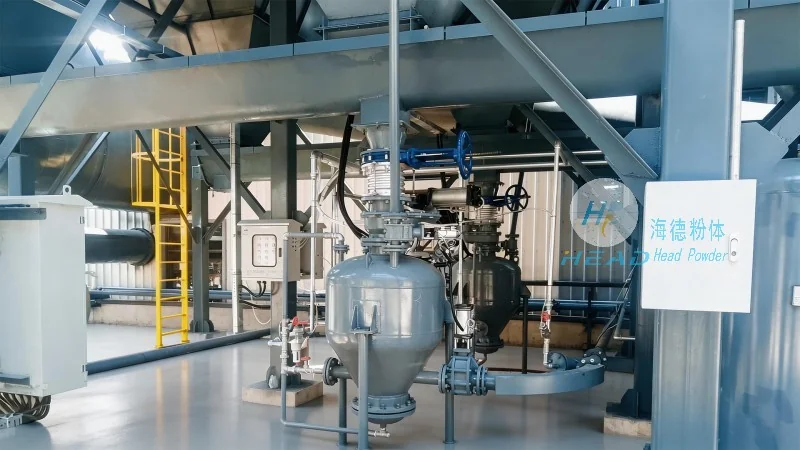
Operational Process: From Loading to Discharge
The operational process of the joint compound pneumatic conveying system begins with the loading of the hopper. The joint compound is fed into the hopper, where it is stored until needed. When the system is activated, the air compressor starts, and the air flow is initiated. The air pressure pushes the joint compound particles into the pipeline, where they are carried to the discharge point. The receiver, located at the end of the pipeline, collects the material, which is then discharged into the desired container or processing area. The system's control mechanisms, such as pressure sensors and flow meters, monitor the process to ensure smooth operation and prevent overloading or underflow.
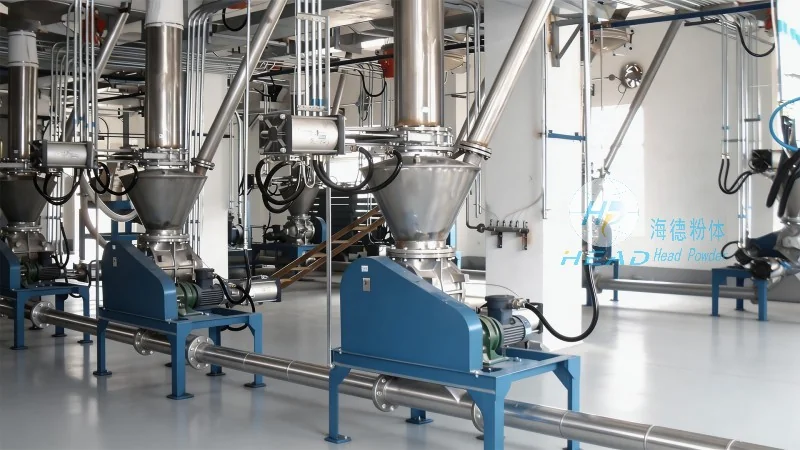
Advantages and Applications of the System
Headpowder's pneumatic conveying systems offer several advantages for joint compound handling, including high efficiency, minimal material loss, and reduced labor costs. The systems are particularly suitable for applications where traditional bulk handling methods are impractical, such as in construction sites, manufacturing facilities, or distribution centers. The equipment is designed to handle various types of joint compounds, including dry powders and pre-mixed formulations, ensuring versatility and adaptability to different production needs.
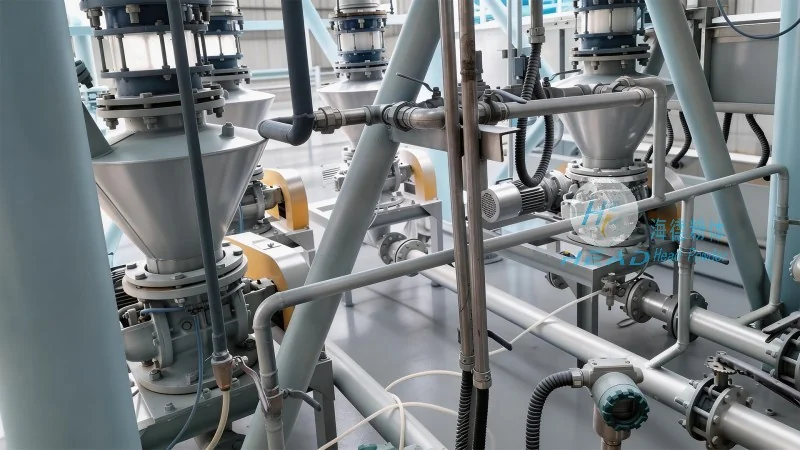
Maintenance and Troubleshooting Tips
To ensure the long-term reliability of the pneumatic conveying system, regular maintenance is essential. This includes checking the air compressor for proper operation, inspecting the pipeline for blockages or leaks, and cleaning the hopper and receiver to prevent material buildup. Troubleshooting common issues, such as air leaks or material clogging, involves checking the system's pressure levels, inspecting the pipeline for obstructions, and ensuring that the air velocity is adequate for the material being conveyed. By following these maintenance practices, users can maximize the system's lifespan and maintain consistent performance.
Conclusion
Headpowder's joint compound pneumatic conveying systems represent a sophisticated solution for efficient material handling in various industries. By understanding the operational process and working principles, users can optimize their systems for maximum efficiency and reliability. With proper maintenance and operation, these systems provide a cost-effective and reliable method for transporting joint compound, contributing to improved productivity and reduced operational costs.




