

Operation Process and Working Principle of Dust Pneumatic Conveying System Equipment
Dust pneumatic conveying systems are critical in modern industrial operations, enabling the efficient and safe transport of bulk materials over long distances. These systems are essential for industries such as mining, food processing, and chemical manufacturing, where handling fine powders and granules requires precise control and minimal contamination. The effectiveness of these systems directly impacts production efficiency, operational costs, and product quality.
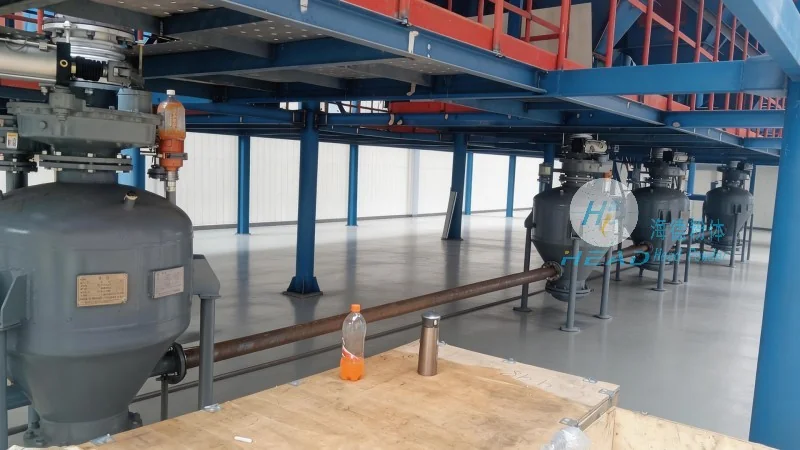
Key Components and Their Roles
The core components of a dust pneumatic conveying system include the material feed hopper, the air supply unit (blower or compressor), the conveying pipeline, and the discharge unit. The material feed hopper is responsible for storing and feeding the bulk material into the system, ensuring a consistent flow rate. The air supply unit generates the necessary air pressure to create the pneumatic flow, which is crucial for moving the material through the pipeline. The conveying pipeline is designed to withstand the pressure and temperature of the conveying stream, with appropriate fittings and valves to control the flow. The discharge unit separates the material from the air and collects it at the destination point, completing the transport process.
Operation Process: Step-by-Step Overview
The operation process of a dust pneumatic conveying system involves several key stages, each designed to ensure smooth material transport from the source to the destination. The first stage is material loading, where the bulk material is introduced into the system, typically through a hopper or feeder. This step requires proper feeding mechanisms to maintain a consistent flow rate, preventing blockages or uneven material distribution. The second stage is the creation of a pneumatic flow, which is achieved by a blower or compressor that generates the necessary air pressure. The air, combined with the material, forms a slurry-like mixture known as a "conveying stream." The third stage is the transport of the conveying stream through the pipeline, where the air pressure overcomes gravitational and frictional forces to move the material. The final stage is the discharge of the material at the destination, where the air is separated from the material and either recirculated or vented.
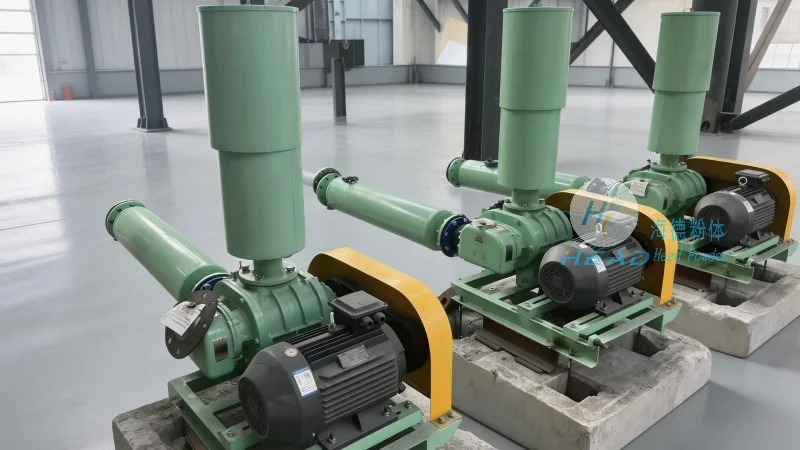
Working Principle: Fluidization and Pneumatic Transport
The working principle of a dust pneumatic conveying system is based on the principle of fluidization and pneumatic transport. The system uses compressed air to move the material through a pipeline. The air pressure is sufficient to overcome the gravitational force and frictional resistance of the material, allowing it to be carried along the pipeline. The key mechanism is the creation of a low-density mixture where the material particles are suspended in the air stream. This fluidization process ensures that the material moves as a single phase, reducing the risk of segregation and ensuring uniform transport. The system's efficiency depends on the balance between air pressure, material flow rate, and pipeline design.
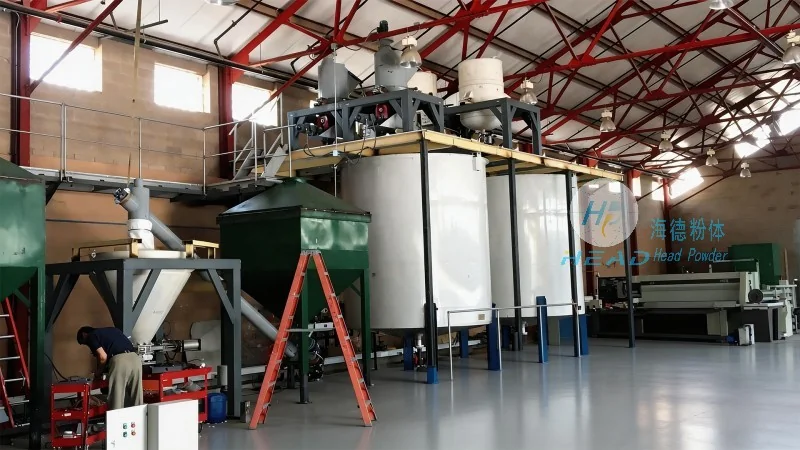
Advantages of Dust Pneumatic Conveying Systems
Dust pneumatic conveying systems offer several advantages over traditional mechanical conveying methods. They are capable of transporting materials over long distances with minimal maintenance, as there are no moving parts in the pipeline. The systems are also flexible, allowing for changes in the material flow path or destination without major modifications. Additionally, they can handle a wide range of materials, including fine powders and abrasive particles, without causing wear or damage to the equipment. The systems are also hygienic and easy to clean, making them suitable for food and pharmaceutical industries.
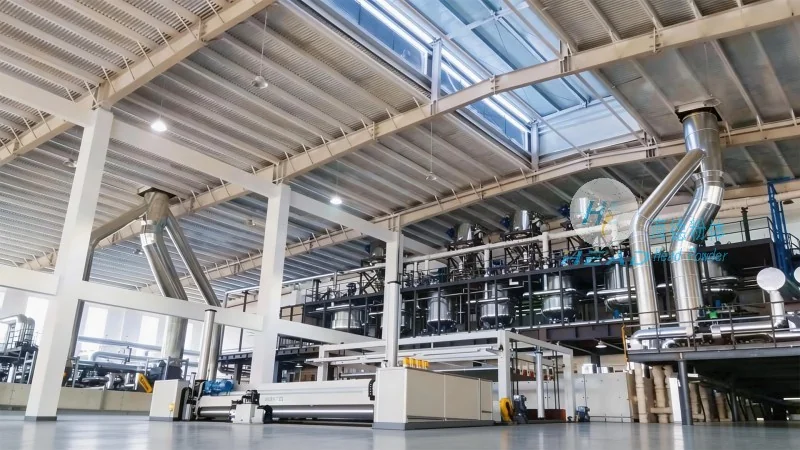
HeadPowder: A Leading Manufacturer in Dust Pneumatic Conveying Systems
HeadPowder, a leading manufacturer in the field, specializes in designing and manufacturing high-quality dust pneumatic conveying systems. With a strong presence in Shandong, China, the company has established itself as a trusted partner for industries seeking reliable material handling solutions. The company's products are engineered to meet the specific needs of various applications, ensuring optimal performance and durability. HeadPowder's systems are designed with advanced technology and robust construction, providing long-term reliability and low operational costs. The company's commitment to quality and customer satisfaction has made it a preferred choice for businesses in mining, food processing, and chemical manufacturing.
Conclusion
Dust pneumatic conveying systems are essential for efficient material handling in modern industries. The operation process and working principle of these systems are critical to their effectiveness, requiring careful design and maintenance. HeadPowder, with its expertise and high-quality products, offers reliable solutions for industries seeking to optimize their material transport processes. By understanding the key components and operation stages, businesses can select and implement the most suitable dust pneumatic conveying system for their specific needs, improving productivity and reducing operational costs.