

Main Air-Pneumatic Conveying Structures for Rare Earth Ore Powder
When it comes to efficiently handling rare earth ore powder, selecting the appropriate air-pneumatic conveying structure is crucial for optimizing material transport, minimizing operational costs, and ensuring process reliability. Shandong HeadPowder Engineering Co., Ltd., a leading provider in the field, specializes in designing and implementing advanced conveying systems tailored to the unique characteristics of rare earth materials. This article explores the primary air-pneumatic conveying structures commonly used in the industry, with a focus on their applications, advantages, and how they contribute to efficient material handling in rare earth processing operations.
1. Dilute Phase Conveying Systems
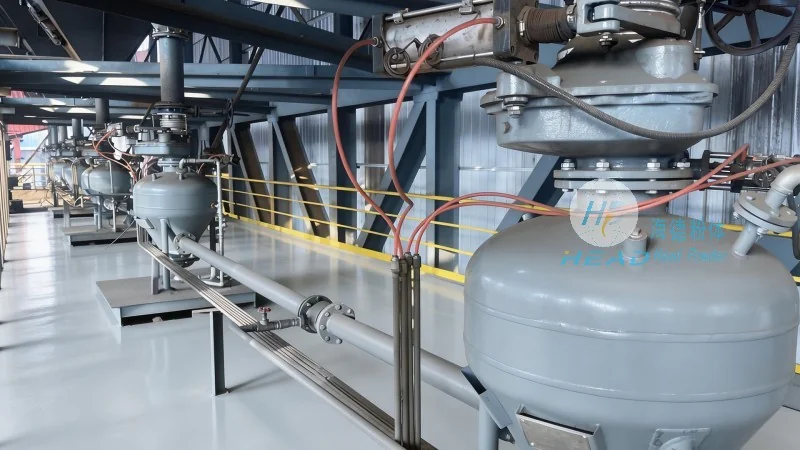
Dilute phase conveying systems are widely used for transporting rare earth ore powder over medium to long distances. These systems operate by injecting air into the material stream at a high velocity, creating a dilute mixture of powder and air. The key components of a dilute phase system include a feed hopper, a rotary airlock valve, a pipeline system, and a receiver. The feed hopper stores the rare earth ore powder, while the rotary airlock valve controls the flow of material into the pipeline. The pipeline transports the dilute mixture to the receiver, where the powder is separated from the air. This type of system is particularly effective for applications requiring high throughput and long-distance transport, as it minimizes material degradation and reduces the risk of blockages. Shandong HeadPowder Engineering Co., Ltd. has extensive experience in designing dilute phase systems that meet the specific requirements of rare earth processing plants, ensuring reliable and efficient material transport.
2. Dense Phase Conveying Systems
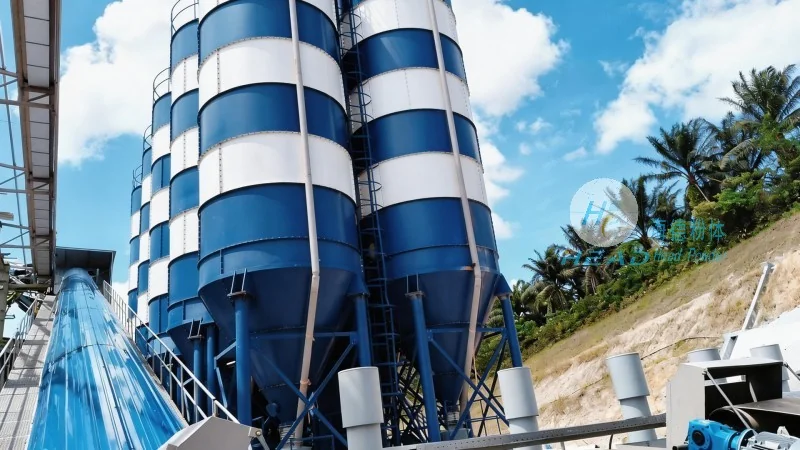
Dense phase conveying systems are another critical structure used in rare earth ore powder handling. Unlike dilute phase systems, dense phase systems operate by conveying material in a more concentrated state, typically with a lower air-to-material ratio. This method is ideal for transporting materials that are prone to degradation or that require gentle handling. The dense phase system includes a positive displacement blower or compressor, a feed hopper, and a pipeline with a reduced diameter. The material is fed into the pipeline at a controlled rate, and the air is introduced to maintain a dense mixture. The receiver collects the material, which is then discharged. Dense phase conveying is particularly beneficial for rare earth ore powder because it reduces the risk of particle attrition and maintains the material's quality. Shandong HeadPowder Engineering Co., Ltd. specializes in customizing dense phase systems to handle the specific properties of rare earth materials, ensuring optimal performance and minimal material loss.
3. Vacuum Conveying Systems
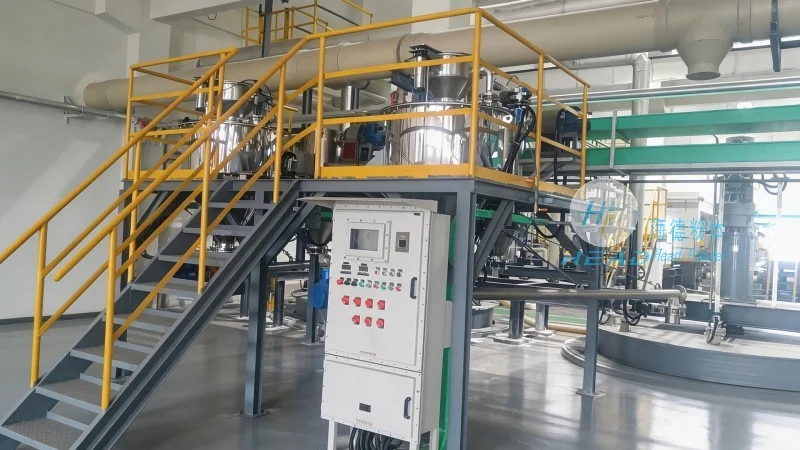
Vacuum conveying systems are commonly employed for short-distance transport of rare earth ore powder, especially in applications where the material needs to be transferred from a lower to a higher elevation or from a confined space. These systems operate by creating a vacuum in the pipeline, which draws the material into the system. The key components include a vacuum pump, a feed hopper, a pipeline, and a receiver. The vacuum pump creates the necessary pressure differential to move the material. The feed hopper provides a controlled feed of the rare earth ore powder, and the pipeline transports the material to the receiver. Vacuum conveying is advantageous for handling fine powders as it minimizes dust generation and provides a gentle transport method. Shandong HeadPowder Engineering Co., Ltd. has developed advanced vacuum conveying systems that are suitable for various rare earth processing applications, ensuring efficient and dust-free material transfer.
4. Hybrid Conveying Systems
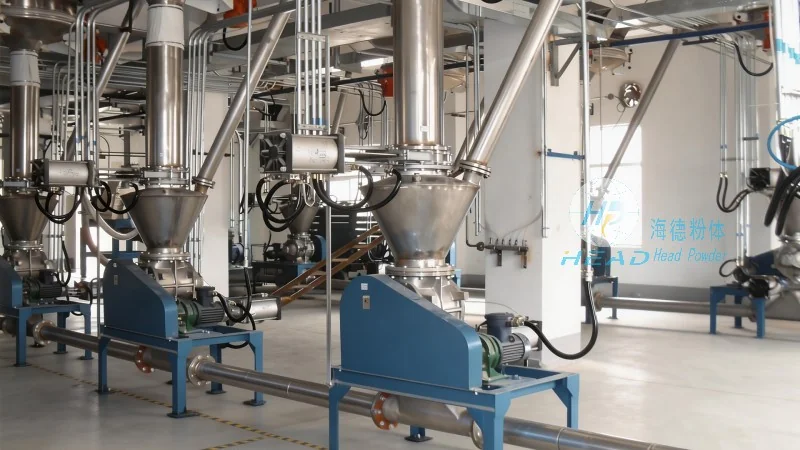
Hybrid conveying systems combine elements of both dilute and dense phase systems to offer flexibility and efficiency in handling rare earth ore powder. These systems are designed to adapt to varying material characteristics and transport requirements. A hybrid system may use a dilute phase for long-distance transport and a dense phase for short-distance or high-temperature applications. The components include a combination of rotary airlock valves, positive displacement blowers, and vacuum pumps, integrated into a single system. Hybrid systems are particularly useful in complex rare earth processing plants where different materials or processes require different conveying methods. Shandong HeadPowder Engineering Co., Ltd. specializes in designing hybrid conveying systems that optimize material transport while reducing energy consumption and operational costs. These systems provide a versatile solution for rare earth ore powder handling, ensuring adaptability to changing production needs.
5. Key Considerations for Selecting the Right Air-Pneumatic Conveying Structure
When selecting an air-pneumatic conveying structure for rare earth ore powder, several factors must be considered to ensure optimal performance and efficiency. The first consideration is the material's properties, including particle size, density, and moisture content. These characteristics influence the choice between dilute, dense, or vacuum conveying systems. For example, fine and abrasive rare earth powders may require dense phase or vacuum systems to prevent degradation. The second factor is the distance and elevation changes between the feed and receiver points. Long-distance or high-elevation transport may necessitate dilute phase systems with higher air velocities, while short-distance or low-elevation transport may use vacuum or dense phase systems. The third consideration is the required throughput and flow rate. Higher throughput may require larger diameter pipelines and more powerful air movers. Additionally, the system's energy efficiency and maintenance requirements are critical factors in the selection process. Shandong HeadPowder Engineering Co., Ltd. provides comprehensive consultation services to help clients evaluate these factors and select the most suitable air-pneumatic conveying structure for their rare earth processing operations. By considering material properties, transport distance, and operational requirements, companies can optimize their material handling processes and improve overall efficiency.
Conclusion
Choosing the right air-pneumatic conveying structure is essential for the efficient and reliable handling of rare earth ore powder. Dilute phase, dense phase, vacuum, and hybrid systems each offer unique advantages and are suitable for different applications. Shandong HeadPowder Engineering Co., Ltd. has extensive expertise in designing and implementing these systems, ensuring that rare earth processing plants can achieve optimal material transport, minimize operational costs, and maintain product quality. By understanding the specific requirements of rare earth materials and the operational constraints of the plant, companies can select the most appropriate air-pneumatic conveying structure, leading to improved productivity and reduced downtime. The expertise of Shandong HeadPowder Engineering Co., Ltd. in this field makes them a trusted partner for rare earth ore powder handling solutions.