

[MATIN]Main Structures of Pneumatic Conveying for Dry Mix Mortar
For the efficient and reliable transportation of dry mix mortar, pneumatic conveying systems employ several critical structural components. These structures are designed to ensure optimal performance, minimize material degradation, and maintain system efficiency. The following sections outline the main structures commonly found in such systems, highlighting their functions and importance.
1. Material Feeding and Conditioning Equipment
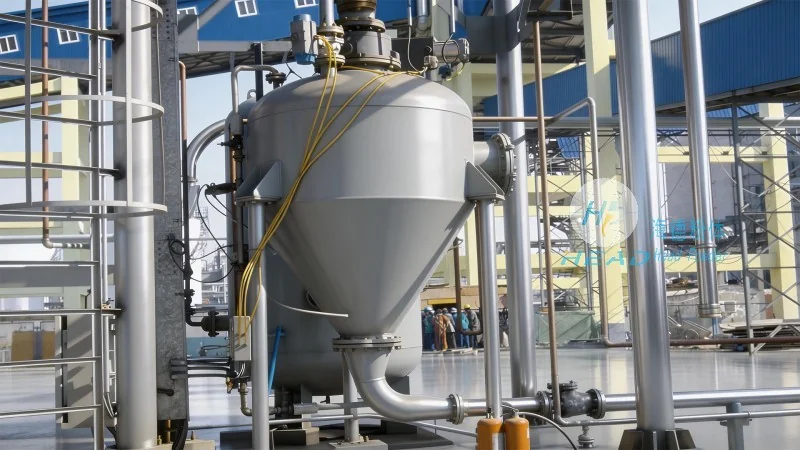
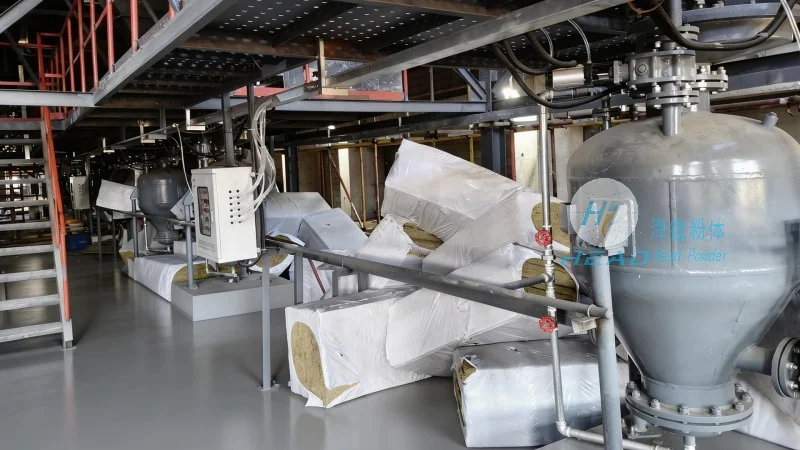
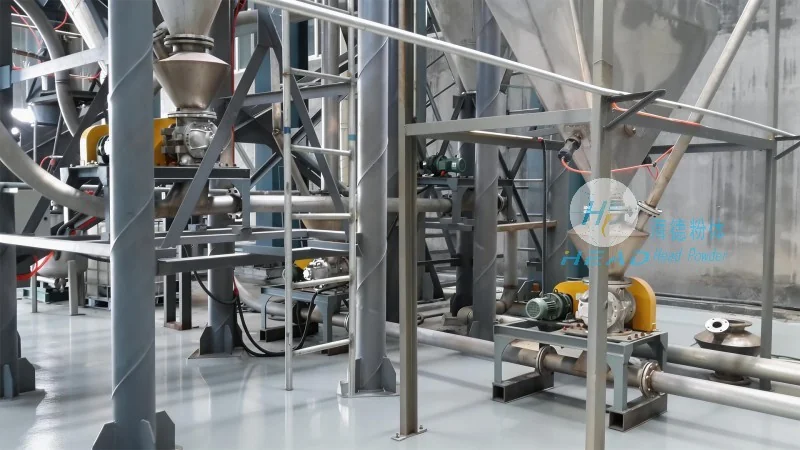
The initial stage of a pneumatic conveying system for dry mix mortar involves the proper feeding and conditioning of the material. This section typically includes components such as hoppers, feeders, and sometimes pre-drying or conditioning units. The hoppers are designed to store the dry mix mortar and provide a consistent feed to the system. Feeders, often screw or vibratory types, ensure a controlled and uniform flow of the material into the conveying line. Conditioning equipment may be used to adjust moisture levels or temperature, which is crucial for maintaining the quality of the dry mix mortar during transport. For example, a vibratory feeder can handle a wide range of material densities and flow rates, while a screw feeder is suitable for more viscous or cohesive materials. Pre-drying units may be employed if the dry mix mortar has a high moisture content, as excessive moisture can lead to blockages and material degradation during conveying.
2. Conveying Ducts and Pipelines
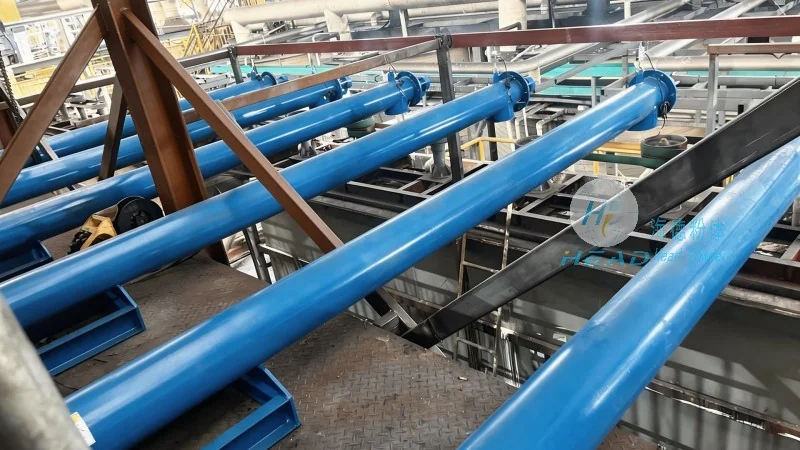
The core of the pneumatic conveying system consists of the ducts and pipelines that transport the dry mix mortar from the feeding point to the discharge point. These ducts are usually made of materials like stainless steel or plastic, chosen for their resistance to corrosion and wear. The design of the ducts, including the diameter, length, and bends, is critical. Proper duct sizing ensures that the air velocity is sufficient to maintain the material in suspension, preventing blockages and ensuring smooth flow. For instance, the duct diameter is typically determined based on the material's particle size and the desired air velocity. Bends and elbows are often equipped with smooth transitions to minimize pressure loss and material degradation. Elbows with a larger radius are preferred over sharp bends to reduce turbulence and prevent particle impact on the duct walls.