

[MATILDE]Main Air-Driven Conveying Structures for Lithium-Ion Powder
HeadPowder, a leading engineering firm based in Shandong, China, specializes in the design and implementation of advanced air-driven conveying systems tailored for lithium-ion powder handling. The company's expertise lies in optimizing material transport efficiency while ensuring safety and precision in industrial applications. This article explores the primary air-driven conveying structures used for lithium-ion powder, highlighting their design principles, operational advantages, and practical applications.
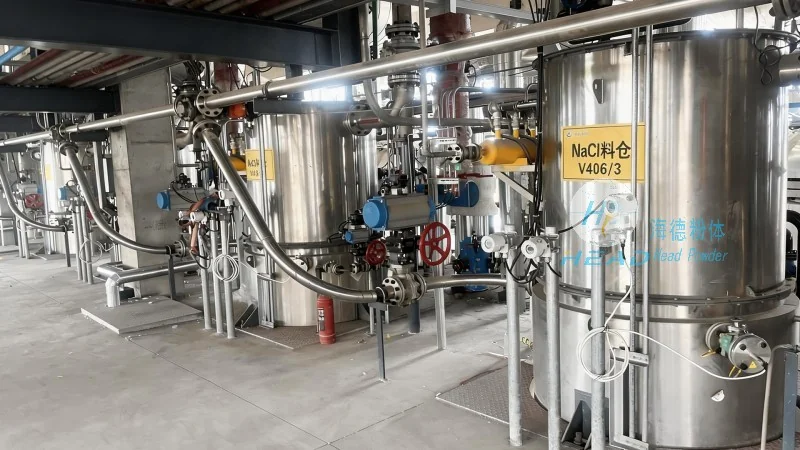
1. Positive Pressure Pneumatic Conveying Systems
Positive pressure systems are widely adopted in lithium-ion powder handling due to their ability to transport materials over long distances and through complex network configurations. These systems operate by generating positive pressure within the conveying line, which forces the powder to move from the source to the destination. The primary components include a blower, a hopper for material storage, and a series of pipes equipped with control valves and filters. The design ensures that the powder is kept in a suspended state, minimizing particle degradation and ensuring consistent flow rates. HeadPowder's engineers have optimized these systems to handle the specific characteristics of lithium-ion powders, such as their fine particle size and potential for electrostatic charge. By incorporating advanced filtration and pressure control mechanisms, the company ensures that the conveying process is both efficient and safe, reducing the risk of dust explosions and material loss.
2. Negative Pressure (Vacuum) Pneumatic Conveying Systems
Negative pressure systems, also known as vacuum conveyors, are another critical structure in lithium-ion powder handling. These systems create a vacuum within the conveying line, drawing the powder from the source to the collection point. Unlike positive pressure systems, they are often preferred for short-distance transport or when the material needs to be transferred from a lower to a higher elevation. The key components include a vacuum pump, a hopper, and a series of pipes with appropriate valves and filters. The design focuses on maintaining a stable vacuum level to ensure consistent material flow. HeadPowder has enhanced these systems with features like automatic shut-off valves and particle size separation mechanisms, which help in controlling the flow and preventing blockages. The negative pressure approach is particularly effective for handling powders that are prone to caking or require gentle handling, as it minimizes mechanical stress on the particles.
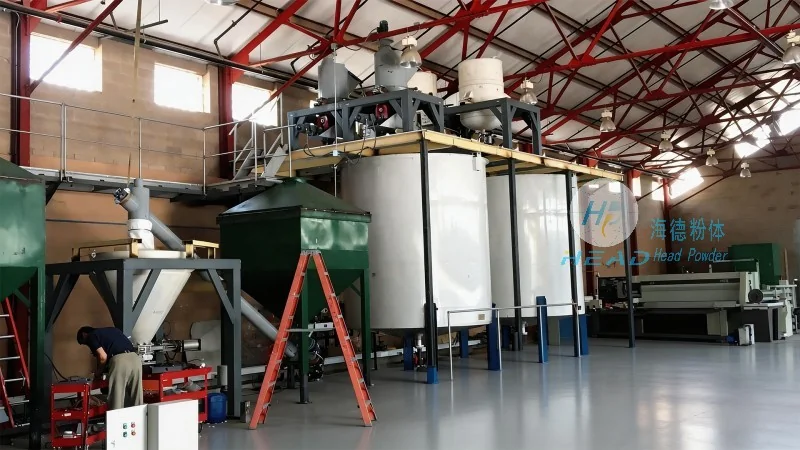
3. Hybrid Pneumatic Conveying Systems
Hybrid systems combine elements of both positive and negative pressure technologies to address the diverse needs of lithium-ion powder handling. These systems can operate in either mode depending on the specific requirements of the application, providing flexibility in material transport. The design typically includes a dual-mode blower or pump, allowing for both pressure and vacuum operations. HeadPowder's hybrid systems are engineered to handle a wide range of particle sizes and flow rates, making them suitable for complex industrial processes. By integrating advanced control algorithms, the company ensures that the system can adapt to varying material characteristics and operational conditions. This flexibility is crucial in lithium-ion production, where different stages of the process may require different conveying methods. The hybrid approach also helps in reducing energy consumption by optimizing the pressure levels for each transport segment, leading to cost-effective and sustainable operations.
4. Screw Conveyors with Pneumatic Assist
While not purely pneumatic, screw conveyors with pneumatic assist are commonly used in lithium-ion powder handling to enhance material movement, especially in vertical or inclined applications. These systems combine the mechanical action of a screw with the pneumatic force to improve flow rates and reduce the risk of clogging. The primary components include a rotating screw, a housing, and a pneumatic blower or vacuum pump. The screw rotates to push the powder forward, while the pneumatic assist provides additional pressure or suction to maintain the flow. HeadPowder's engineers have optimized these systems to handle the high density and fine nature of lithium-ion powders, ensuring smooth and continuous operation. The design incorporates features like variable speed controls and material feed mechanisms to adjust the conveying rate according to production demands. This approach is particularly useful in scenarios where the material needs to be elevated or moved through tight spaces, as the screw provides a direct mechanical path while the pneumatic assist ensures consistent flow.
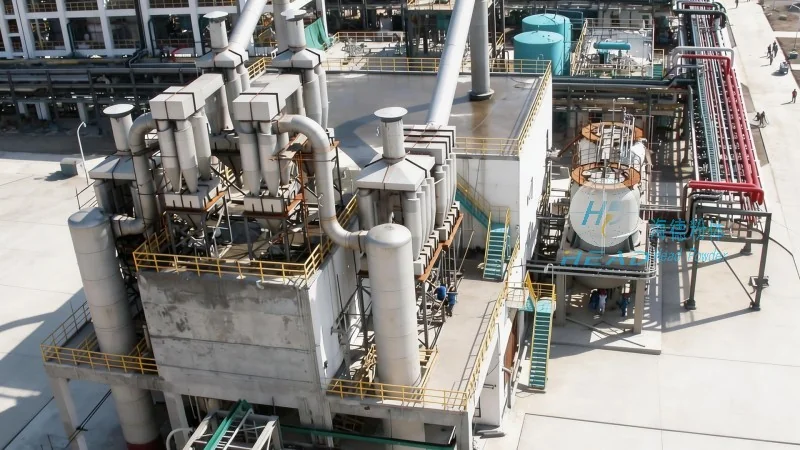
5. Air-Liquid Two-Phase Conveying Systems
Two-phase pneumatic conveying systems, which involve the use of air and a liquid carrier, are employed in specialized applications where the lithium-ion powder needs to be transported in a slurry or emulsion form. These systems are particularly effective for handling powders that are difficult to convey dry, such as those with high moisture content or cohesive properties. The design includes a pump to mix the powder with the liquid carrier, followed by a pneumatic line to transport the mixture. HeadPowder has developed advanced two-phase systems that can handle varying liquid-to-powder ratios, ensuring stable and efficient transport. The system is equipped with filtration and separation units to recover the liquid carrier and return it to the process, minimizing waste and operational costs. This approach is beneficial in lithium-ion battery production, where the handling of wet or pre-treated powders is common. The two-phase method helps in maintaining the integrity of the powder particles and preventing agglomeration during transport.
6. Specialized Conveying Solutions for Lithium-Ion Powder
HeadPowder also offers customized air-driven conveying structures tailored to the unique requirements of lithium-ion powder handling. These solutions may include advanced filtration systems, electrostatic discharge prevention measures, and material temperature control mechanisms. The company's engineers work closely with clients to assess their specific needs, such as the scale of production, the type of lithium-ion material (e.g., cathode or anode powders), and the desired transport distance. By integrating state-of-the-art technologies and adhering to industry safety standards, HeadPowder ensures that the conveying systems are not only efficient but also compliant with regulatory requirements. The customized solutions are designed to meet the evolving demands of the lithium-ion battery industry, providing long-term reliability and performance. This approach helps clients optimize their production processes, reduce downtime, and enhance overall operational efficiency.