

Main Structures of Tailings Powder and Slag Pneumatic Conveying Systems
When it comes to the efficient handling and transportation of tailings powder and slag, pneumatic conveying systems offer a reliable and effective solution. These systems are widely used in mining and processing industries to move bulk materials over short to medium distances. The key to their performance lies in the proper design and integration of several critical components and structures. This article will explore the main structures that constitute a typical tailings powder and slag pneumatic conveying system, highlighting the role of each component in ensuring smooth operation and optimal material transport.
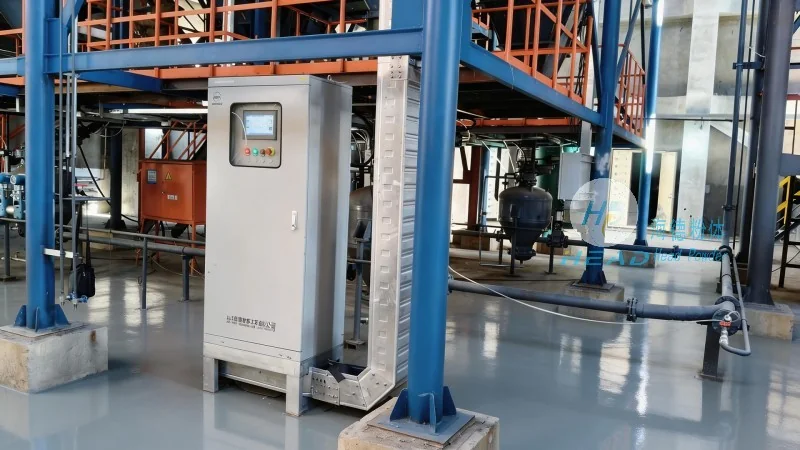
Core Components and Structures of Pneumatic Conveying Systems
The pneumatic conveying system for tailings powder and slag typically consists of several essential structures. These include the material feed system, the conveying pipeline, the air supply and control unit, the separation and collection equipment, and the dust control mechanisms. Each of these components plays a vital role in the overall functionality of the system.
1. Material Feed System
The material feed system is the starting point of the pneumatic conveying process. It is responsible for introducing the tailings powder or slag into the system at a controlled rate. This system usually includes a hopper or bin that stores the material, a feeder (such as a screw feeder or rotary valve) that regulates the flow, and a feed hopper that ensures a consistent supply to the conveying line. The design of the feed system is crucial to prevent blockages and ensure uniform material feeding, which directly impacts the efficiency of the entire conveying operation.
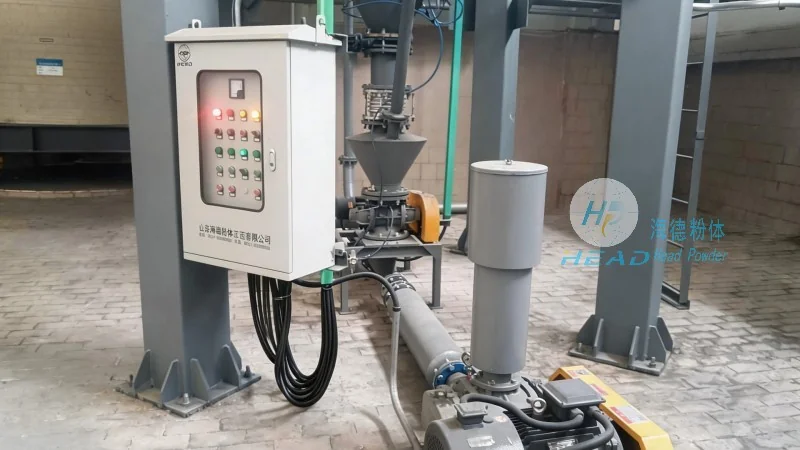
2. Conveying Pipeline
The conveying pipeline is the main channel through which the material and air travel. It is typically made of stainless steel or other corrosion-resistant materials to withstand the abrasive nature of tailings and slag. The pipeline can be either horizontal or vertical, depending on the layout of the facility. The diameter and length of the pipeline are carefully selected based on the material characteristics, flow rate, and required conveying distance. Proper pipeline design minimizes pressure losses and ensures that the material is transported without excessive wear or degradation.
3. Air Supply and Control Unit
The air supply unit provides the necessary air pressure and volume to move the material through the pipeline. This unit typically includes a blower or compressor, a filter to remove contaminants from the air, and a control system to regulate the air flow. The air pressure is a critical parameter, as it must be sufficient to overcome the resistance in the pipeline and lift the material. The control unit allows operators to adjust the air flow rate in real-time, adapting to changes in material feed or pipeline conditions. This flexibility ensures stable operation and prevents system overloading or underloading.
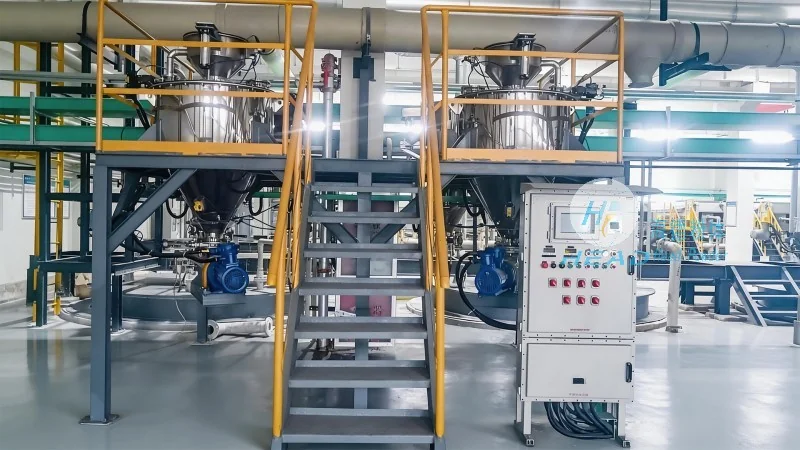
4. Separation and Collection Equipment
At the end of the conveying line, the material needs to be separated from the air and collected. This is achieved through a separator, which can be a cyclone or a bag filter. The separator uses centrifugal force to separate the material from the air, allowing the clean air to be discharged back into the system or released to the atmosphere. The collected material is then transferred to a storage bin or processing unit. The design of the separator is important to ensure high separation efficiency, minimizing the amount of material lost in the air stream and reducing dust emissions.
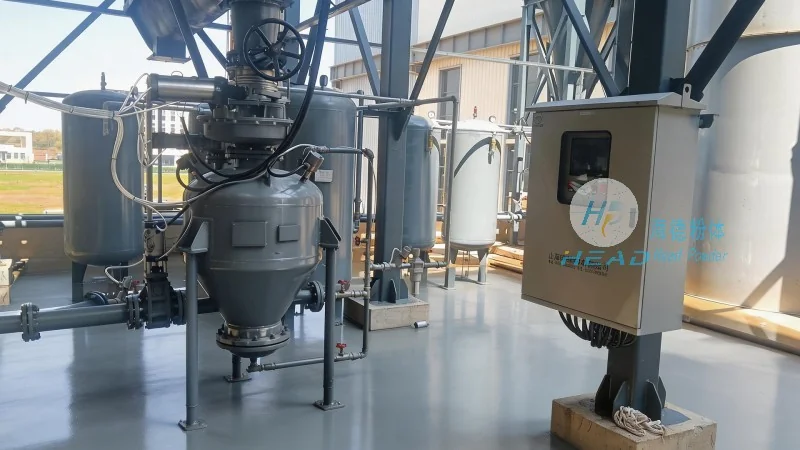
5. Dust Control Mechanisms
Due to the nature of tailings powder and slag, dust control is a critical aspect of pneumatic conveying systems. These systems generate significant dust during operation, which can pose health and safety risks and affect the environment. To mitigate this, various dust control mechanisms are employed. These include dust collectors, such as cyclones or bag filters, that are integrated into the system to capture and remove dust particles. Additionally, the pipeline and equipment are often equipped with sealing and gasketing to prevent dust leakage. Some systems also use wet dust suppression methods, where a small amount of water is added to the air stream to reduce dust generation. Proper dust control not only protects the environment and personnel but also maintains the efficiency of the conveying system by preventing clogging and blockages caused by dust accumulation.
About Shandong HeadPowder Engineering Co., Ltd.
Shandong HeadPowder Engineering Co., Ltd., operating under the brand name headpowder, is a leading provider of engineering solutions for material handling and processing. With a focus on innovative and efficient systems, the company specializes in the design, manufacturing, and installation of pneumatic conveying systems for various industrial applications, including tailings powder and slag handling. Headpowder's expertise lies in understanding the unique challenges of each project and providing tailored solutions that meet the specific requirements of clients. The company's commitment to quality and customer satisfaction has made it a trusted partner in the mining and processing industry. Headpowder's facilities are located in Shandong, China, where the company leverages local resources and expertise to deliver high-quality products and services to its global clientele.