

[MTitle]Main Airslide Structures for Dry Yeast Pneumatic Conveying
For industrial applications involving the handling of dry yeast, the selection of an appropriate pneumatic conveying system is critical to ensure efficient, reliable, and cost-effective material transport. Among the various components that constitute a pneumatic conveying system, airslide structures play a pivotal role in facilitating the movement of dry yeast through pipelines. This article explores the primary airslide structures utilized in dry yeast pneumatic conveying systems, highlighting their design features, operational principles, and practical applications.
Introduction to Dry Yeast Pneumatic Conveying
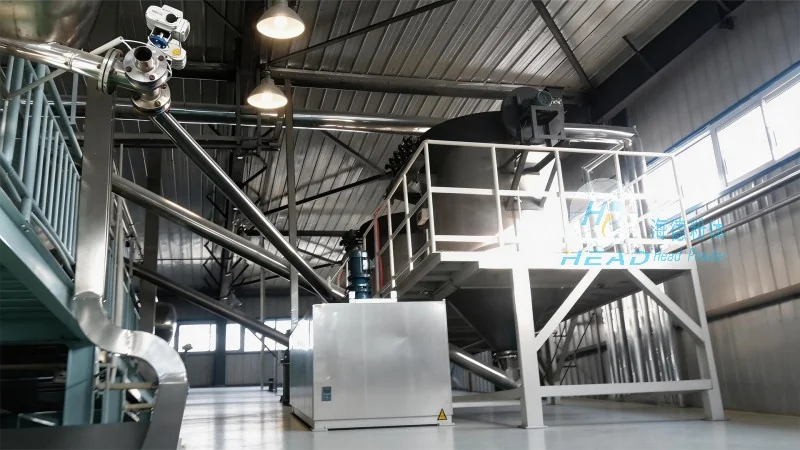
Dry yeast, a vital ingredient in the food and beverage industry, requires specialized handling due to its fine particle size and susceptibility to moisture. Pneumatic conveying systems offer a solution by utilizing air to transport dry yeast from storage silos to processing units. The airslide, a key component in these systems, uses the principle of air flow to move dry material along a sloped or horizontal surface. Understanding the different airslide structures is essential for selecting the most suitable system for specific operational requirements.
Key Airslide Structures in Dry Yeast Pneumatic Conveying
Horizontal Airslide Conveyors
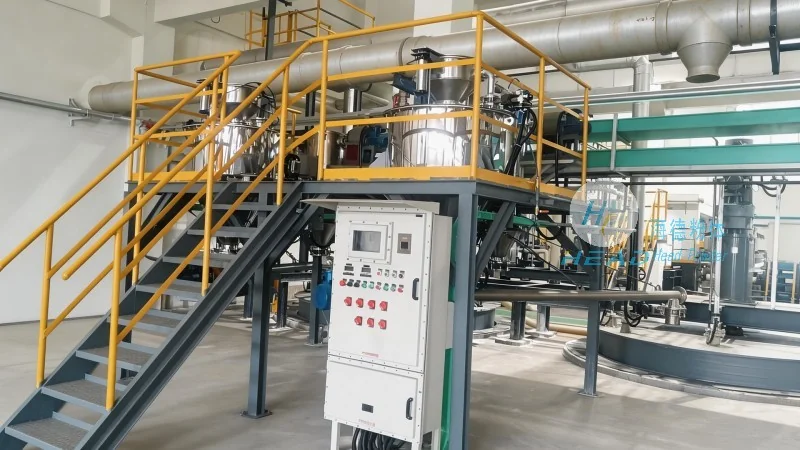
Horizontal airslide conveyors are commonly used for the transport of dry yeast over relatively short distances, typically up to several hundred meters. These systems consist of a long, flat conveyor belt or tube that is slightly inclined to facilitate material movement. The airslide is integrated with a blower or compressor that generates a controlled airflow, which lifts and transports the dry yeast particles along the conveyor. The design of horizontal airslides allows for continuous, low-pressure operation, making them ideal for applications where gentle handling of the yeast is required to prevent agglomeration or damage to the product.
Vertical Airslide Lifts
Vertical airslide lifts are employed when dry yeast needs to be elevated vertically, often from ground-level storage to elevated processing equipment. These structures feature a vertical or near-vertical conveyor that uses the same airslide principle as horizontal systems. The vertical airslide is designed with a series of air inlets and outlets to maintain consistent airflow and prevent material buildup. The inclined or vertical orientation of the airslide ensures that the dry yeast moves upward under the influence of the air current, making vertical lifts suitable for applications with limited horizontal space or where the yeast must be transferred to higher levels.
Combined Horizontal and Vertical Airslide Systems
In many industrial settings, dry yeast pneumatic conveying systems require a combination of horizontal and vertical transport. These hybrid systems integrate horizontal airslides for horizontal movement and vertical lifts for elevation changes. The design of combined systems allows for flexible material transport, accommodating both short horizontal distances and vertical lifts within a single integrated solution. The airslide components in these systems are carefully engineered to ensure smooth transitions between horizontal and vertical segments, minimizing material loss and maintaining consistent product quality.
Specialized Airslide Structures for Dry Yeast
For certain applications, specialized airslide structures are used to address unique challenges associated with dry yeast handling. For example, some systems incorporate flexible airslides or corrugated tubes to navigate around obstacles or changes in direction. These specialized designs ensure that the dry yeast is conveyed without excessive pressure or friction, which could affect the product's quality or integrity. Additionally, some airslides are equipped with cleaning mechanisms to prevent material buildup and maintain consistent performance over extended periods.
Operational Considerations for Dry Yeast Airslide Systems
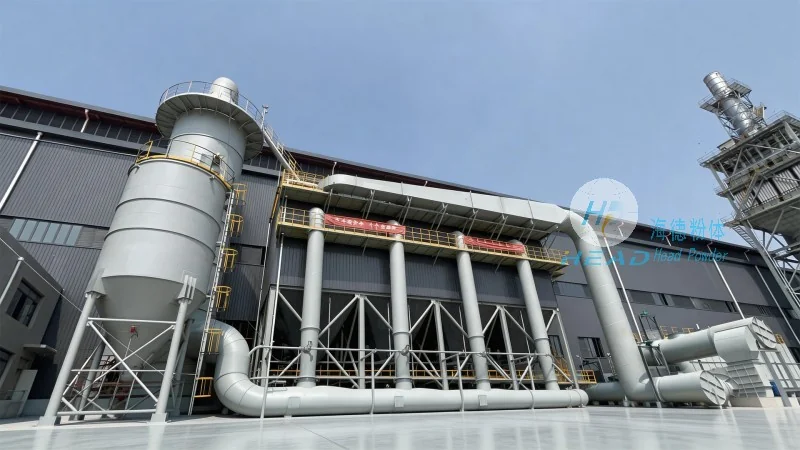
The successful operation of dry yeast pneumatic conveying systems relies on several key factors, including the selection of appropriate airslide structures, proper airflow management, and regular maintenance. The design of the airslide must consider the particle size and density of the dry yeast, as well as the desired conveying distance and elevation. Proper airflow control is essential to prevent material blockages or excessive energy consumption. Regular maintenance, such as cleaning air inlets and checking for wear on conveyor components, is crucial to ensure the long-term reliability of the system.
Conclusion
Understanding the various airslide structures in dry yeast pneumatic conveying systems is essential for optimizing material handling processes in the food and beverage industry. Whether using horizontal, vertical, or combined systems, the airslide plays a critical role in ensuring efficient and reliable transport of dry yeast. By selecting the appropriate airslide structure and adhering to proper operational practices, industrial facilities can enhance productivity, reduce downtime, and maintain the quality of their dry yeast products. Shandong HeadPowder Engineering Co., Ltd., a leading provider of pneumatic conveying solutions, specializes in designing and manufacturing customized airslide systems tailored to the specific needs of dry yeast handling applications.