HeadPowder, a leading provider in the field of powder handling technology, specializes in the design and implementation of dilute phase powder conveying systems. This article provides a comprehensive overview of the structural principles and operational mechanisms behind these systems, highlighting their efficiency and reliability in industrial applications.
Understanding Dilute Phase Powder Conveying
Dilute phase powder conveying refers to a method of transporting particulate materials through a pipeline using a high-velocity gas stream. Unlike dense phase conveying, where the material forms a slurry with the conveying medium, dilute phase systems maintain a relatively low solid concentration, allowing for faster and more energy-efficient transport over longer distances. The core of this technology lies in the interaction between the gas and the powder particles, which is governed by principles of fluid dynamics and particle mechanics.
Key Structural Components of Dilute Phase Conveying Systems
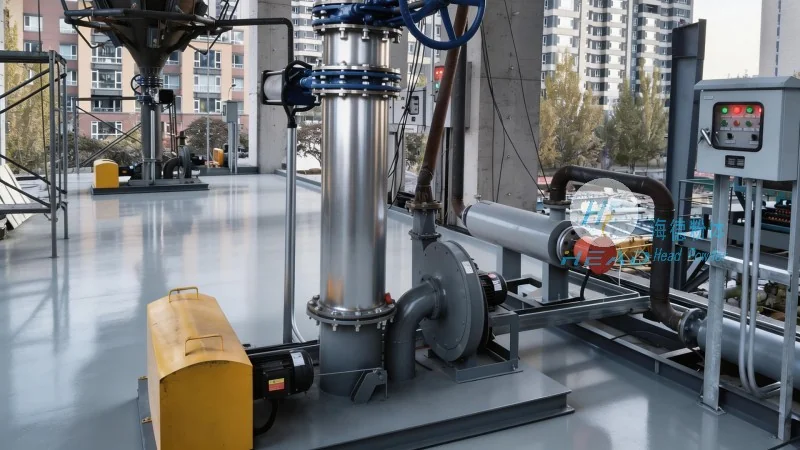
Effective dilute phase powder conveying systems typically consist of several critical components that work in tandem to ensure optimal performance. These include the conveying pipeline, which is usually made of materials such as stainless steel or plastic to withstand the abrasive nature of the powder and the high-velocity gas flow. The pipeline is equipped with specialized fittings, such as bends, elbows, and expansion joints, designed to minimize pressure losses and maintain the flow stability of the powder-gas mixture.
At the heart of the system is the gas compressor or blower, which generates the high-velocity air or gas stream necessary to entrain and transport the powder particles. The selection of the compressor type—whether positive displacement or centrifugal—depends on factors like the required flow rate, pressure, and the specific characteristics of the powder being conveyed. Complementary to the compressor is the dust collection system, which is essential for maintaining air quality and complying with environmental regulations. This system typically includes filters and cyclones that separate the powder from the exhaust gas, allowing for safe and efficient disposal or reuse of the material.
Working Mechanisms: How Dilute Phase Conveying Operates
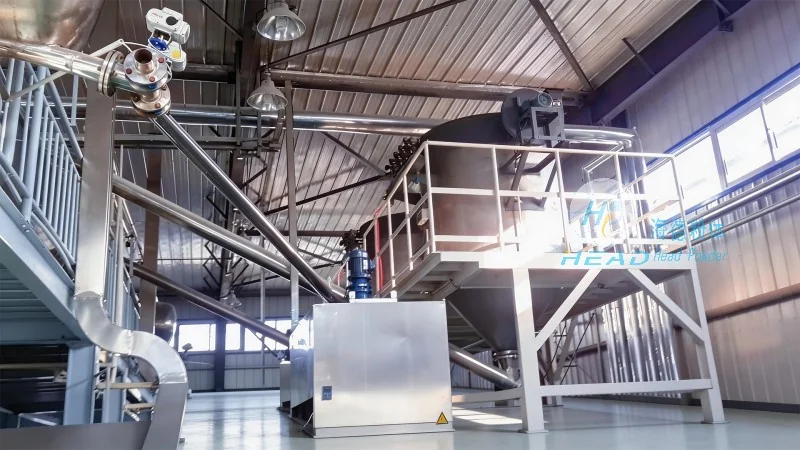
The operational mechanism of dilute phase powder conveying is based on the principle of pneumatic transport, where the gas stream creates a low-pressure zone that draws the powder particles into the pipeline. As the gas flows at high velocity, it creates a drag force on the particles, lifting them off the pipeline walls and entraining them in the gas stream. The key to efficient transport is maintaining a balance between the gas velocity and the particle size and density, ensuring that the particles remain suspended without settling or clogging the pipeline.
During the conveying process, the powder particles experience various forces, including gravity, drag, and lift. The gas velocity must be sufficient to overcome the gravitational force acting on the particles, preventing them from settling and causing blockages. Additionally, the system is designed to minimize turbulence and pressure fluctuations, which can lead to particle separation or system instability. Advanced control systems are often integrated into the operation to monitor and adjust parameters such as gas flow rate, pressure, and particle concentration in real time, ensuring consistent and reliable performance.
Applications and Advantages of Dilute Phase Powder Conveying
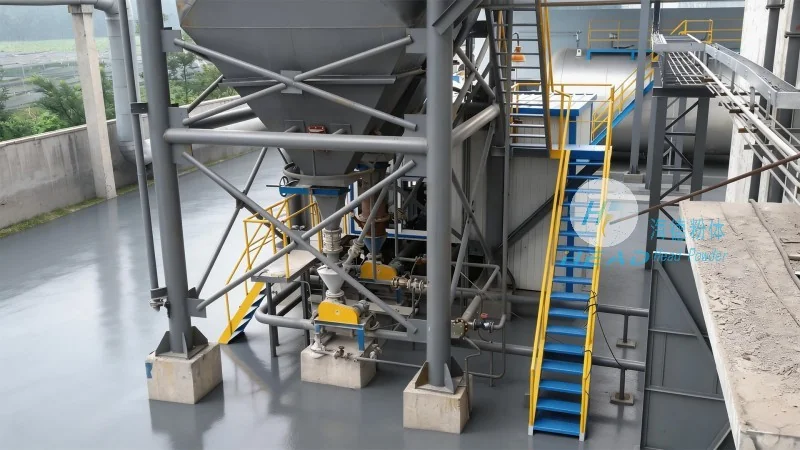
Dilute phase powder conveying is widely used in various industrial sectors, including pharmaceuticals, food processing, chemicals, and mining. Its advantages over traditional conveying methods, such as belt conveyors or screw conveyors, include higher efficiency in long-distance transport, lower energy consumption, and the ability to handle a wide range of powder types, from fine powders to coarse granules. The system is also flexible in terms of layout, allowing for complex routing and integration with other processing equipment.
Moreover, dilute phase systems offer improved safety and hygiene compared to other methods, as they eliminate the need for manual handling of powders and reduce the risk of dust explosions. The enclosed pipeline design prevents dust from escaping into the environment, making it suitable for applications where dust control is critical. Additionally, the system can be equipped with dust collection and filtration systems to meet stringent environmental standards, ensuring compliance with local regulations.
Conclusion and Company Overview
HeadPowder Engineering Co., Ltd., based in Shandong, China, is a trusted partner in the design and implementation of dilute phase powder conveying solutions. With a focus on innovation and customer-centric design, the company provides tailored systems that meet the specific needs of industrial clients. By leveraging advanced engineering principles and state-of-the-art technology, HeadPowder ensures that its dilute phase conveying systems deliver high performance, reliability, and efficiency, contributing to the smooth operation of industrial processes worldwide.




