

Operation Process and Working Principle of Small Bag Pneumatic Conveying System Equipment
Small bag pneumatic conveying systems are advanced industrial equipment designed to transport bulk materials efficiently and safely. These systems are widely used in various industries, including food processing, pharmaceuticals, and chemical manufacturing, due to their ability to handle delicate or sensitive materials without damage. The core of such systems lies in the seamless integration of components that work together to ensure reliable material transfer from the source to the destination.
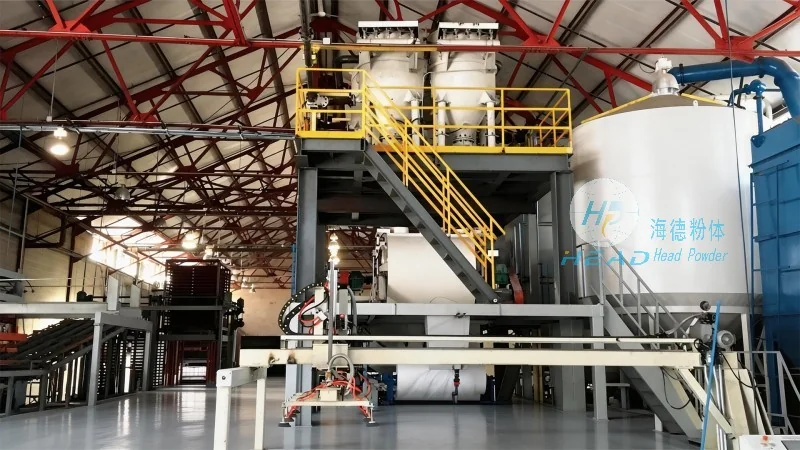
Company Information: Shandong HeadPowder Engineering Co., Ltd.
HeadPowder, a leading manufacturer based in Shandong, China, specializes in the design, development, and production of pneumatic conveying equipment. With a strong commitment to quality and innovation, the company has established itself as a trusted partner for businesses seeking efficient material handling solutions. The company’s headquarters and manufacturing facilities are located in Shandong, providing a solid foundation for delivering high-performance small bag pneumatic conveying systems to global markets.
Operation Process of Small Bag Pneumatic Conveying System
The operation of a small bag pneumatic conveying system typically involves several key steps that ensure smooth and continuous material transport. The process begins with the loading of the material into the hopper or feeder. The material is then fed into the system, where it is mixed with air under controlled pressure. The air and material mixture is then conveyed through the pipeline to the discharge point. Finally, the material is separated from the air and deposited into the receiving container. Each step is carefully managed to maintain optimal flow rates and prevent material degradation or blockages.
Working Principle of Small Bag Pneumatic Conveying System
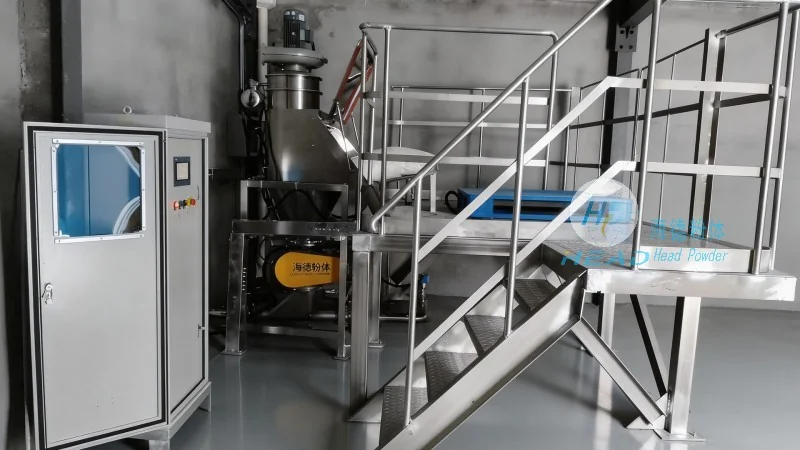
The working principle of a small bag pneumatic conveying system is based on the fundamental concept of air movement to transport materials. There are two main types of pneumatic conveying systems: positive pressure and negative pressure. In a positive pressure system, air is supplied under pressure to push the material through the pipeline. In a negative pressure system, air is drawn out of the pipeline to create a vacuum that pulls the material. Small bag systems often utilize positive pressure due to their efficiency in handling fine powders and granules. The system uses a blower or compressor to generate the necessary air pressure, which is then directed through the conveying line. The material is introduced into the system at the inlet, where it is entrained by the high-velocity air stream. As the mixture travels through the pipeline, the air and material are separated at the discharge point, typically using a cyclone or other separation device. The separated material is collected in the receiving hopper, while the air is either filtered and recirculated or vented to the atmosphere.
Key Components and Their Functions
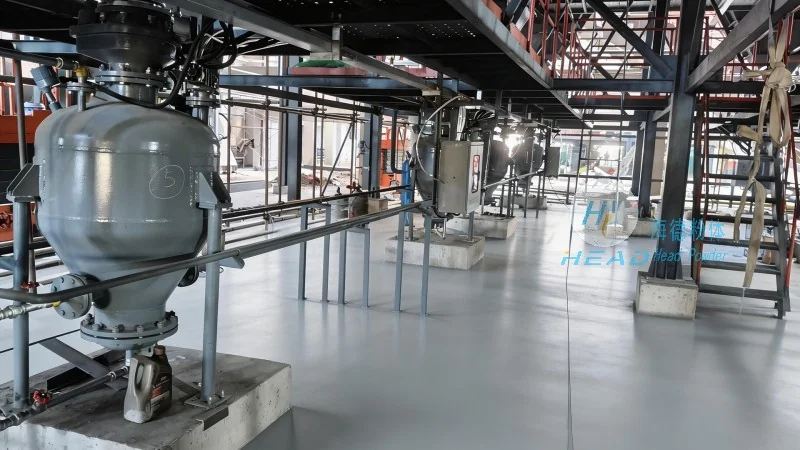
Several critical components are integral to the proper functioning of a small bag pneumatic conveying system. These include the hopper or feeder, which holds the material and controls the flow rate; the blower or compressor, which provides the necessary air pressure; the conveying pipeline, which transports the material and air mixture; the discharge unit, which separates the material from the air; and the control system, which monitors and adjusts the operation parameters. Each component plays a vital role in ensuring the system operates efficiently and safely. The hopper is designed to minimize material degradation and prevent clogging, while the blower ensures consistent air pressure. The pipeline is typically made of durable materials like stainless steel to withstand the abrasive nature of the materials being conveyed. The discharge unit, such as a cyclone separator, effectively separates the material from the air, preventing dust and particles from escaping into the environment. The control system allows operators to adjust parameters like air pressure, flow rate, and material feed rate, ensuring optimal performance and preventing system failures.
Advantages of Small Bag Pneumatic Conveying Systems
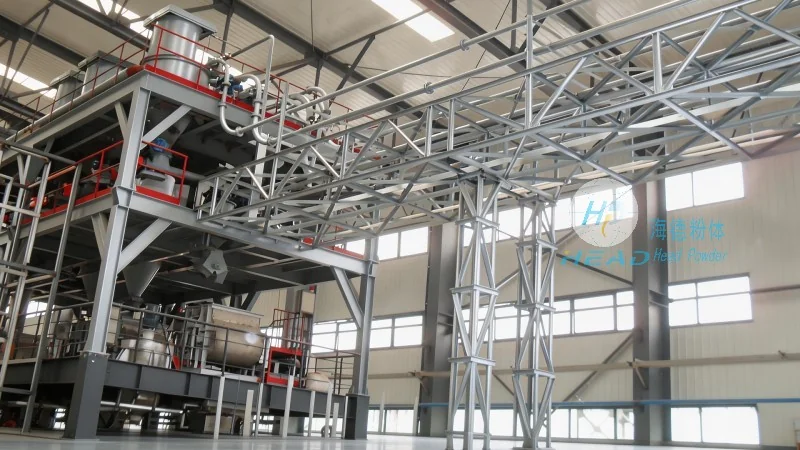
Small bag pneumatic conveying systems offer several advantages over traditional material handling methods. One of the primary benefits is the ability to transport materials over long distances without the need for intermediate storage or handling. This reduces the risk of material contamination and improves overall efficiency. Additionally, these systems are highly flexible, allowing for easy integration into existing production lines. They can handle a wide range of materials, including fine powders, granules, and even bulk solids, making them suitable for diverse industrial applications. Another advantage is the reduced labor costs associated with manual handling, as the system automates the material transport process. Furthermore, small bag systems are relatively compact and can be installed in confined spaces, making them ideal for facilities with limited floor space. The systems also provide better control over material flow, reducing the risk of overfilling or underfilling, which can lead to product waste or quality issues.
Applications in Different Industries
Small bag pneumatic conveying systems are used in a variety of industries due to their versatility and efficiency. In the food industry, these systems are commonly used to transport ingredients like flour, sugar, and spices, ensuring that the materials remain fresh and free from contamination. The pharmaceutical industry also relies on small bag systems to handle active pharmaceutical ingredients (APIs) and other sensitive materials, maintaining strict quality and safety standards. In the chemical industry, the systems are used to transport powders and granules, such as fertilizers and chemicals, while minimizing the risk of dust explosions. The manufacturing industry benefits from the ability to transport raw materials and finished products efficiently, improving production throughput. Additionally, the systems are used in the agricultural sector to handle bulk materials like seeds and grains, facilitating their transport from farms to processing facilities. Overall, the adaptability of small bag pneumatic conveying systems makes them a valuable asset in various industrial settings.