Water glass, also known as sodium silicate, is a critical industrial chemical used across sectors like construction, glass manufacturing, and chemical processing. The efficient and reliable transportation of water glass is essential for maintaining production efficiency and ensuring product quality. This article details the design of a pneumatic conveying system specifically engineered for water glass, highlighting key design considerations, components, and performance optimization strategies.
System Architecture and Core Components
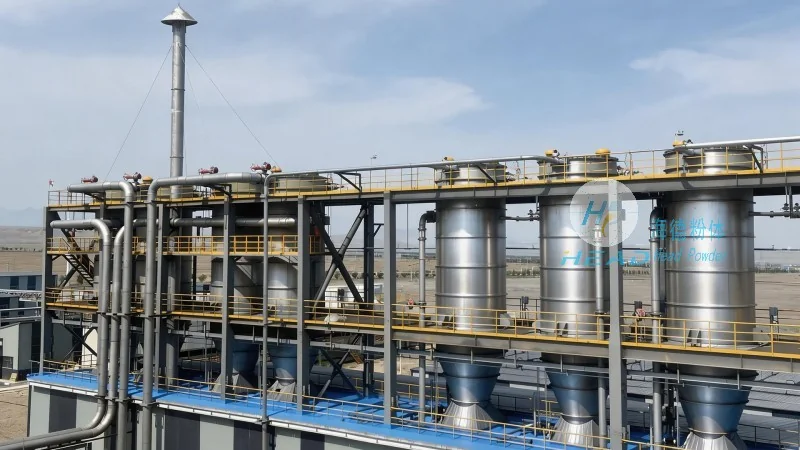
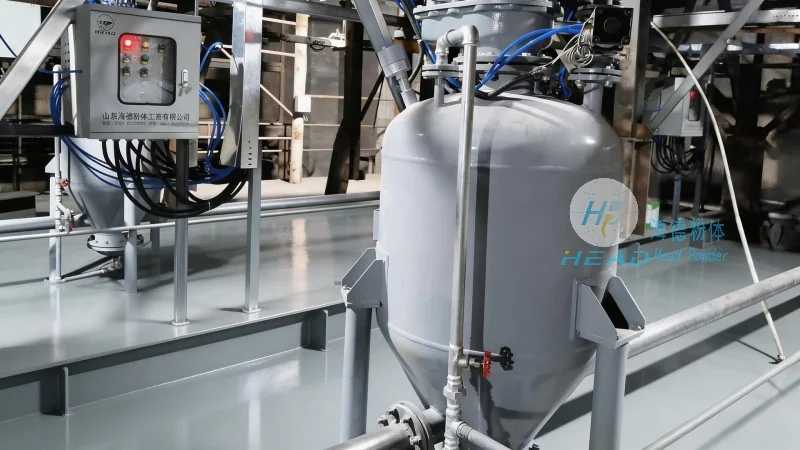
The pneumatic conveying system for water glass comprises several integral components that work in concert to achieve effective material transport. The primary elements include a material feed hopper, a rotary airlock valve, a conveying pipeline, a dust collector, and a centralized control system. The feed hopper is engineered to store and feed water glass into the system at a controlled rate, preventing blockages and ensuring a steady flow. The rotary airlock valve acts as a critical gate between the hopper and the pipeline, allowing material to enter the conveying line while maintaining an airtight seal to prevent air leakage and material spillage. The conveying pipeline is typically constructed from corrosion-resistant materials such as stainless steel or specialized plastic, as water glass can be corrosive to certain metals. The pipeline design incorporates appropriate bends and straight sections to minimize pressure drop and ensure smooth material movement. A dust collector is integrated to capture fine particles generated during conveying, improving air quality and protecting downstream equipment. The control system manages all operational parameters, including feed rate, air pressure, and valve positions, to optimize the conveying process and prevent system failures.
Design Considerations for Water Glass Properties
Water glass possesses unique physical and chemical characteristics that must be addressed during system design. It is a viscous, non-Newtonian fluid that can solidify or form lumps under temperature or moisture changes, potentially causing blockages. To mitigate this risk, the system design incorporates heated pipelines or temperature-controlled feed hoppers to maintain the material in a fluid state. The material feed rate is carefully regulated to prevent excessive pressure buildup and clogging. The pipeline diameter and length are optimized based on flow rate and material density to ensure sufficient air velocity for particle suspension and prevent deposition. The system also includes cleaning mechanisms, such as air purge or mechanical cleaning, to remove buildup on pipeline walls, maintaining consistent performance over time.
Efficiency and Performance Enhancement
Efficiency is a paramount focus in the design of a water glass pneumatic conveying system. The system is engineered to minimize energy consumption while maximizing material throughput. This is achieved through optimal air velocity and pipeline diameter selection, balancing pressure drop and flow. The air velocity is set to ensure particles are fully suspended without excessive pressure loss or noise. The pipeline diameter is chosen based on required flow rate and material density to maintain balanced pressure and flow. The system may also incorporate energy recovery, using exhaust air to preheat incoming material or power other components, reducing overall energy costs. Regular maintenance and monitoring are essential to sustain peak efficiency, including leak checks, dust collector cleaning, and rotary airlock valve inspections. These measures ensure consistent performance and minimize downtime.
Industrial Applications and Impact
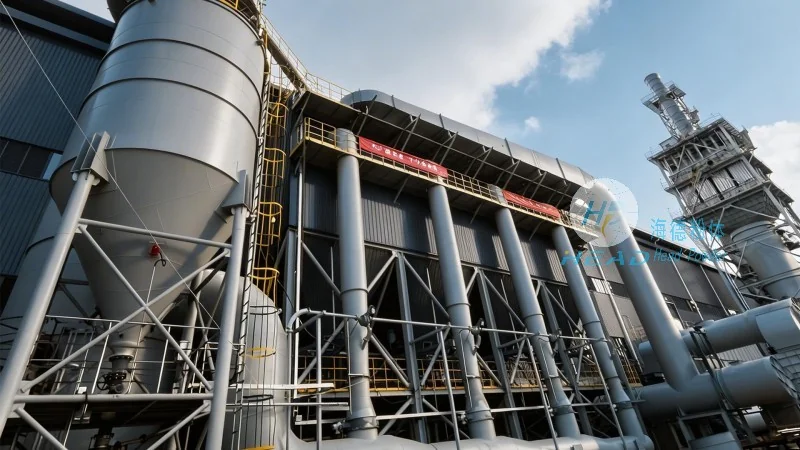
The water glass pneumatic conveying system designed by Shandong HeadPowder Engineering Co., Ltd. is widely applied in industrial settings. In construction, it transports water glass for mortar and concrete production, ensuring consistent quality and reducing manual handling risks. In glass manufacturing, the system delivers water glass to melting furnaces as a flux to lower silica melting points. In chemical processing, it serves as a raw material transport for further reactions or other chemical production. The system's reliability and efficiency significantly impact production processes, reducing material loss, enhancing safety, and boosting overall productivity. By providing a seamless, efficient method of transporting water glass, the system supports smooth industrial facility operations and contributes to production line success.
Conclusion
The design of a water glass pneumatic conveying system requires careful consideration of material properties and operational needs. By integrating appropriate components, optimizing design parameters, and implementing effective maintenance, the system achieves high efficiency and reliability. Shandong HeadPowder Engineering Co., Ltd. specializes in designing and manufacturing such systems, leveraging expertise to deliver tailored solutions. With a focus on quality, innovation, and customer satisfaction, the company provides reliable pneumatic conveying systems that enhance industrial productivity and safety.




