

Operation Process and Working Principle of PVC Granule Pneumatic Conveying System Equipment
The PVC granule pneumatic conveying system equipment, as a key component in material handling technology, is widely used in various industrial sectors for the efficient transport of PVC granules. This equipment is designed to handle the challenges associated with transporting plastic materials, ensuring a reliable and efficient process from the source to the destination. The system combines advanced engineering principles with robust construction to meet the demands of modern manufacturing and processing industries.
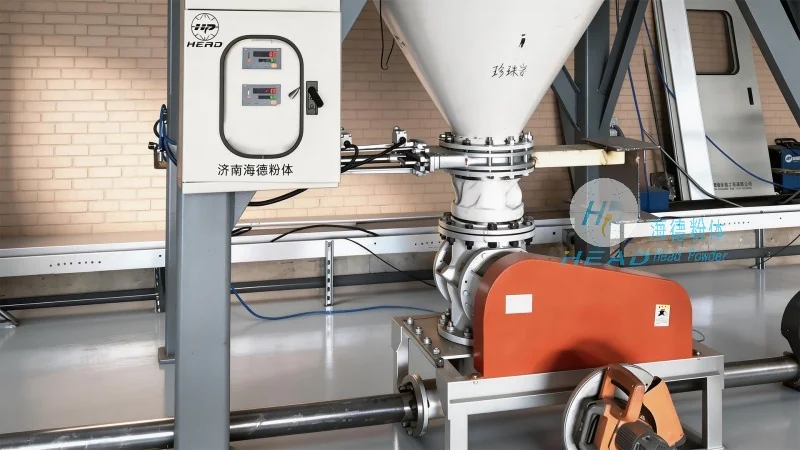
Company Overview: Shandong HeadPowder Engineering Co., Ltd.
HeadPowder, a leading manufacturer in the field of material handling solutions, specializes in the design, development, and production of pneumatic conveying systems. With a strong commitment to quality and innovation, the company has established itself as a trusted partner for industries requiring efficient and reliable material transport solutions. HeadPowder's expertise lies in tailoring systems to meet specific operational requirements, ensuring optimal performance and durability. The company's headquarters is located in Shandong, China, where it leverages local resources and advanced manufacturing capabilities to deliver high-quality products to global markets.
Working Principle of the Pneumatic Conveying System
The core of the PVC granule pneumatic conveying system is the air-driven mechanism that propels the material through a pipeline. The system operates by creating a pressure differential between the inlet and outlet of the conveying line. At the inlet, a fan or blower generates a high-velocity airflow that draws the PVC granules into the pipeline. The granules are then carried along the pipeline by the moving air, maintaining a consistent flow rate. The system typically includes components such as a hopper for material storage, a feeder to control the flow of granules, and a receiver to collect the material at the destination. The air pressure and flow rate are carefully controlled to ensure the granules are transported without degradation or blockage, maintaining the integrity of the material.
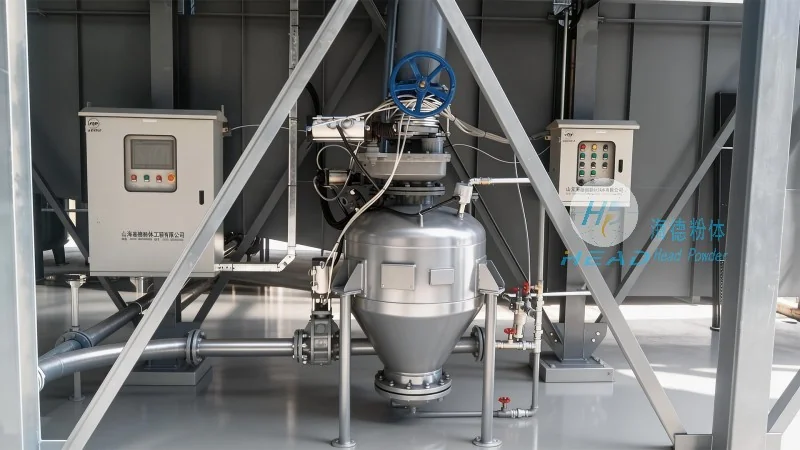
Operation Process of the System
The operation of the PVC granule pneumatic conveying system follows a systematic process that ensures smooth and continuous material transport. Initially, the PVC granules are loaded into the hopper, which serves as the storage and feeding unit. The feeder then regulates the flow of granules into the conveying line, ensuring a consistent feed rate. The fan or blower then activates, generating the necessary airflow to transport the granules. As the granules travel through the pipeline, they are propelled by the air, maintaining a stable velocity. The system includes check valves and filters to prevent backflow and maintain air quality. At the receiving end, the granules are deposited into the receiver, where they are collected for further processing or storage. The entire process is automated, with sensors and controls monitoring the system's performance to ensure optimal operation and minimal downtime.
Key Components and Their Functions
The PVC granule pneumatic conveying system consists of several critical components, each playing a vital role in the overall operation. The hopper is responsible for storing the PVC granules and providing a consistent feed to the system. The feeder, often a rotary valve or screw feeder, controls the flow rate of the granules into the conveying line, preventing overloading and ensuring smooth transport. The fan or blower generates the necessary airflow, with adjustable speed and pressure to match the system's requirements. The pipeline is typically made of durable materials such as stainless steel or PVC, designed to withstand the pressure and abrasion from the granules. The receiver at the end of the line collects the material, with a discharge valve to control the release of the granules. Additionally, the system may include filters to remove dust and debris from the air, ensuring clean operation and preventing equipment damage.
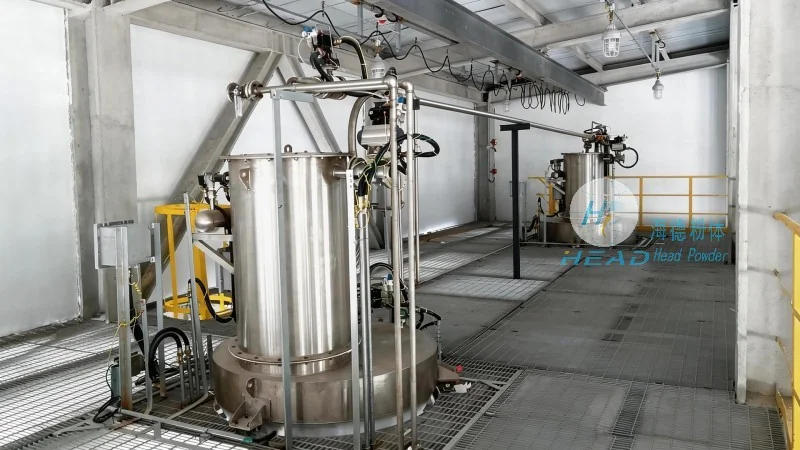
Advantages of Using PVC Granule Pneumatic Conveying Systems
Implementing a PVC granule pneumatic conveying system offers numerous advantages for industrial applications. One of the primary benefits is the ability to transport materials over long distances without the need for intermediate handling. This reduces labor costs and minimizes the risk of material contamination. The system is also highly flexible, allowing for changes in the conveying route or capacity without major modifications. Additionally, the enclosed pipeline design prevents dust and fumes from escaping, improving workplace safety and environmental compliance. The automated operation of the system reduces human intervention, leading to increased efficiency and reduced operational errors. Furthermore, the system's ability to handle a wide range of particle sizes and densities makes it suitable for various PVC products, from standard granules to specialty formulations.
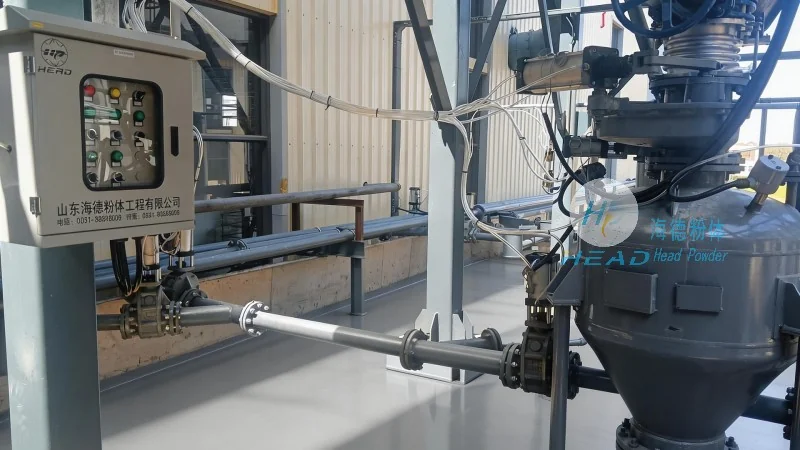
Applications and Industries
PVC granule pneumatic conveying systems are widely used across various industries that require the transport of plastic materials. In the manufacturing sector, these systems are used in PVC pipe and profile production lines, where granules are transported from storage to processing equipment. The chemical industry also utilizes these systems for transporting PVC compounds and additives, ensuring a clean and efficient process. The construction industry benefits from the system's ability to transport PVC granules to job sites, reducing the need for manual handling and improving safety. Additionally, the pharmaceutical and food processing industries may use modified versions of the system for transporting PVC-based materials, with enhanced safety features to meet regulatory requirements.
Maintenance and Troubleshooting
To ensure the long-term performance and reliability of the PVC granule pneumatic conveying system, regular maintenance is essential. The system's components, such as the fan, feeder, and pipeline, should be inspected regularly for wear and tear. The hopper and receiver should be cleaned to prevent material buildup and blockages. Filters should be replaced as needed to maintain air quality and prevent clogging. In case of system malfunctions, troubleshooting steps should be followed to identify and resolve issues. Common problems include air leaks, material blockages, or pressure fluctuations, which can be addressed by checking seals, clearing blockages, or adjusting the fan speed. By following proper maintenance procedures, the system can operate efficiently and provide reliable service for extended periods.