Shandong HeadPowder Engineering Co., Ltd., a leading enterprise in the field of material handling solutions, specializes in the design, manufacturing, and implementation of advanced pneumatic conveying systems. With a strong presence in China, particularly in Shandong province, the company has established itself as a trusted partner for industries requiring efficient and reliable material transport, including the chemical sector where styrene is a critical raw material.
Understanding Pneumatic Conveying Systems for Styrene
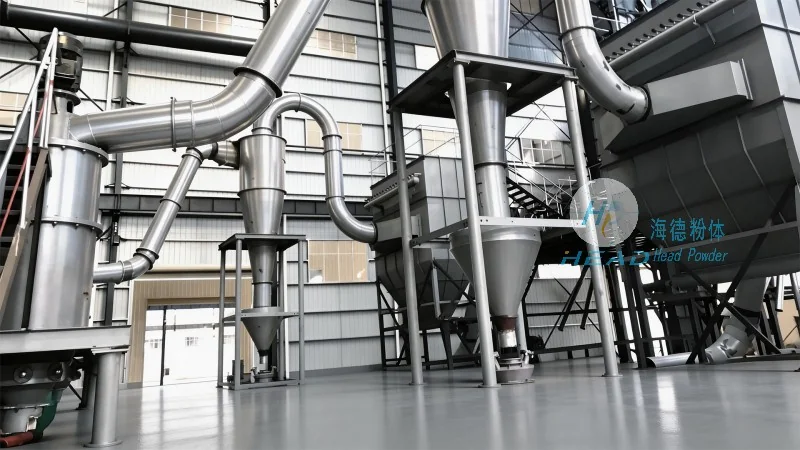
Pneumatic conveying systems are essential for transporting bulk materials like styrene, which is widely used in the production of polystyrene and other polymer products. These systems utilize air or other gases to move materials through a pipeline network, offering a flexible and efficient alternative to traditional methods such as belt conveyors or bucket elevators. The effectiveness of a styrene pneumatic conveying system depends on several key factors, including the system design, material properties, and operational parameters.
Core Components of a Styrene Pneumatic Conveying System
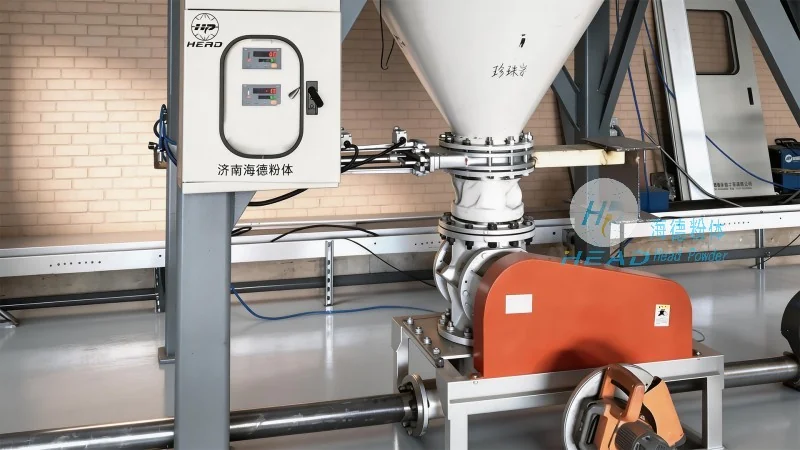
The operation of a styrene pneumatic conveying system involves a series of interconnected components that work together to ensure smooth material transport. The primary components include a material hopper or feeder, a conveying line (often equipped with cyclones or filters), a dust collector, and a control system. The material hopper is designed to store and feed styrene into the system at a controlled rate, preventing blockages and ensuring consistent flow. The conveying line, typically made of stainless steel or other corrosion-resistant materials, is engineered to handle the specific characteristics of styrene, such as its density and particle size. Cyclones or filters are integrated into the system to separate the conveyed material from the air stream, allowing for clean material recovery and air filtration.
Working Principle of the Styrene Pneumatic Conveying System
The working principle of a styrene pneumatic conveying system is based on the creation of a pressure differential between the inlet and outlet of the conveying line. Air is supplied to the system at a high velocity, creating a flow that pulls the styrene particles into the pipeline. The system operates in either positive or negative pressure modes, depending on the application. In positive pressure systems, air is blown into the conveying line, pushing the material forward. In negative pressure systems, air is drawn out of the line, creating a vacuum that pulls the material. The choice between these modes depends on factors such as the distance to be covered, the material's properties, and the need to minimize dust emissions.
Operation Process of the Styrene Pneumatic Conveying System
The operation process of a styrene pneumatic conveying system begins with the loading of styrene into the material hopper. The feeder then regulates the flow of material into the conveying line, ensuring a steady supply. The air compressor or blower generates the necessary air pressure, which is introduced into the system. As the air flows through the pipeline, it carries the styrene particles, transporting them from the source to the destination. At the receiving end, the material is separated from the air using cyclones or filters, and the clean styrene is collected in a storage bin or processing unit. The control system monitors key parameters such as pressure, flow rate, and material level, adjusting the operation as needed to maintain optimal performance.
Advantages of Using a Styrene Pneumatic Conveying System
Implementing a styrene pneumatic conveying system offers several advantages over traditional material handling methods. These include reduced labor costs, as the system operates automatically with minimal human intervention. It also minimizes product contamination and dust exposure, which is crucial for handling sensitive materials like styrene. The system's flexibility allows for easy integration with existing production lines and can be scaled to accommodate varying production volumes. Additionally, pneumatic conveying systems are more energy-efficient compared to mechanical conveyors, especially over long distances, making them a cost-effective solution for industrial applications.
Maintenance and Safety Considerations
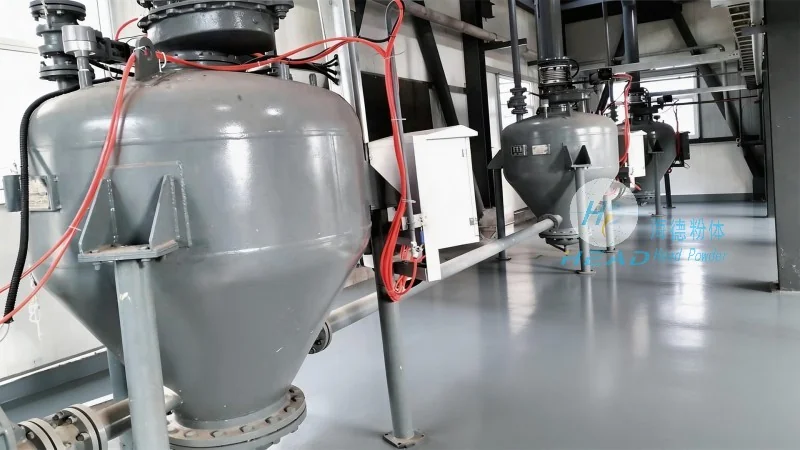
To ensure the longevity and reliability of a styrene pneumatic conveying system, regular maintenance is essential. This includes cleaning the conveying line and cyclones to prevent buildup, inspecting the air compressor and control system for wear and tear, and checking the material hopper and feeder for blockages. Safety is also a critical aspect of system operation. Proper ventilation is required to remove dust and fumes, and the system should be equipped with safety interlocks to prevent accidental activation. Additionally, training for operators on the proper use and maintenance of the system is necessary to minimize the risk of accidents and ensure compliance with safety regulations.
Conclusion
Shandong HeadPowder Engineering Co., Ltd. provides comprehensive solutions for the design and implementation of styrene pneumatic conveying systems, leveraging advanced technology and industry expertise to meet the specific needs of chemical and industrial clients. By understanding the operation process and working principles of these systems, businesses can enhance their material handling efficiency, reduce operational costs, and improve overall productivity. The company's commitment to quality and customer satisfaction ensures that clients receive reliable and effective solutions tailored to their unique requirements.




