

Principle and Working Scene Characteristics of Calcium Oxide Material Conveying Lines
Calcium oxide, commonly known as quicklime, is a critical material in various industrial processes, including cement production, steel manufacturing, and chemical synthesis. The efficient and reliable transportation of calcium oxide is essential for maintaining production efficiency and ensuring product quality. This article explores the principle and working scene characteristics of calcium oxide material conveying lines, providing insights into the technology and applications used by Shandong HeadPowder Engineering Co., Ltd., a leading provider in the field.
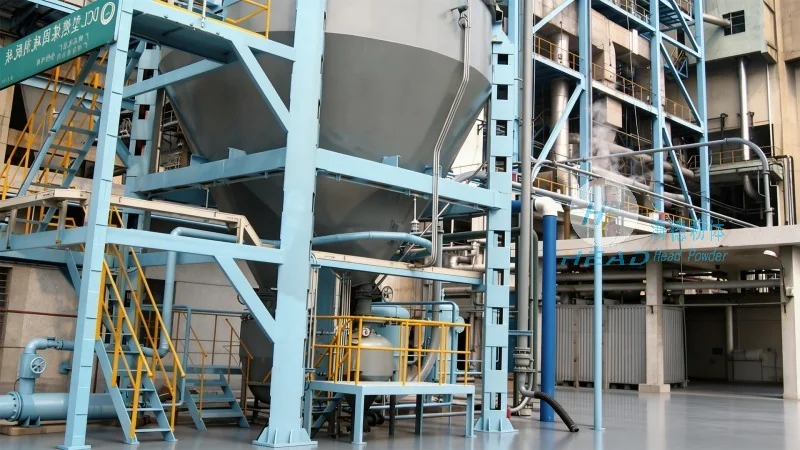
About Shandong HeadPowder Engineering Co., Ltd.
Shandong HeadPowder Engineering Co., Ltd., commonly referred to as HeadPowder, is a professional manufacturer and supplier of material handling systems. HeadPowder is headquartered in Shandong, China, and specializes in designing, manufacturing, and installing customized conveying solutions for various industrial applications. The company's expertise lies in optimizing material flow, enhancing operational safety, and improving overall production efficiency for clients in the chemical, cement, and other related industries.
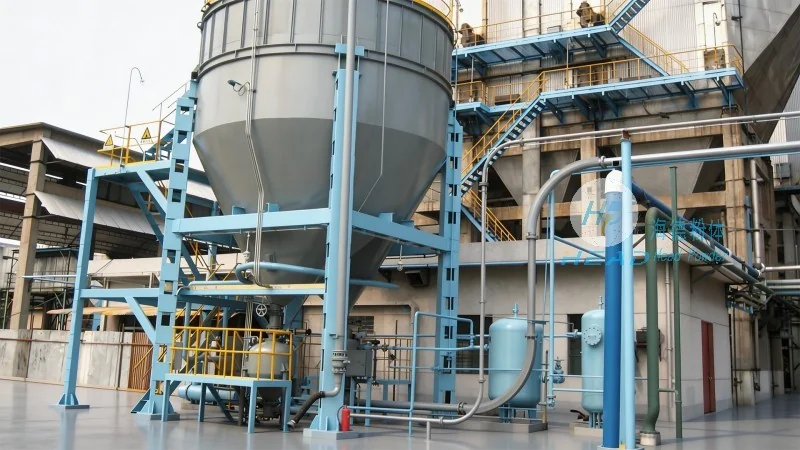
The Principle of Calcium Oxide Material Conveying Lines
The core principle of calcium oxide material conveying lines is to transport bulk materials from a source to a destination through a series of equipment and systems. The typical components of such a system include feeders, conveyors (such as belt conveyors, screw conveyors, or pneumatic conveyors), control systems, and safety devices. The feeders are responsible for uniformly feeding the calcium oxide material into the conveyor system, ensuring a consistent flow rate. The conveyors then transport the material along the designated path, while the control systems monitor and regulate the operation, adjusting speed and direction as needed. Safety devices, such as sensors and emergency stop mechanisms, are integrated to prevent accidents and protect personnel and equipment.
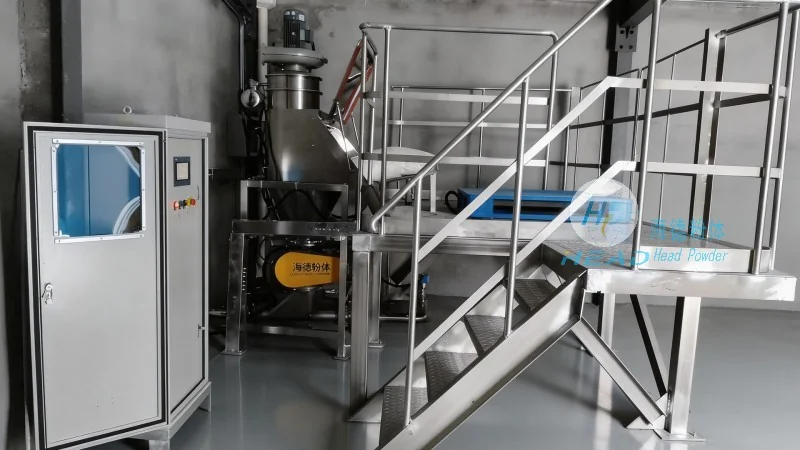
Working Scene Characteristics of Calcium Oxide Material Conveying Lines
The working scene characteristics of calcium oxide material conveying lines vary based on the specific industrial application and environmental conditions. In cement factories, for example, the conveying lines are often used to transport raw materials like limestone and quicklime from storage silos to the production lines. The systems must handle large volumes of material and operate continuously to meet the high production demands. In chemical plants, the conveying lines may be used to transport quicklime for chemical reactions, requiring precise control over the material flow to ensure reaction efficiency and product quality. The characteristics also include considerations for material properties, such as the dusty nature of calcium oxide, which necessitates dust control measures and proper ventilation to maintain a safe working environment. Additionally, the conveying lines must be designed to handle the material's potential reactivity with moisture, as quicklime reacts with water to form calcium hydroxide, releasing heat and potentially causing blockages. Therefore, the systems are often equipped with moisture-resistant components and sealed structures to prevent such issues.
Technical Features and Application Scenarios
Calcium oxide material conveying lines offered by HeadPowder feature several technical advantages that enhance their performance and reliability. For instance, the use of high-quality materials in the construction of conveyors and components ensures durability and resistance to corrosion, which is crucial when handling calcium oxide that may be in contact with moisture or acidic substances. The control systems are equipped with advanced sensors and automation technologies, allowing for real-time monitoring of material flow, speed, and temperature. This enables operators to quickly identify and address any issues, minimizing downtime and maximizing productivity. In terms of application scenarios, these conveying lines are widely used in the cement industry for raw material handling, in the steel industry for flux material transport, and in the chemical industry for various processing steps. The flexibility of the systems allows them to be adapted to different production scales and layouts, from small-scale laboratory setups to large-scale industrial plants.
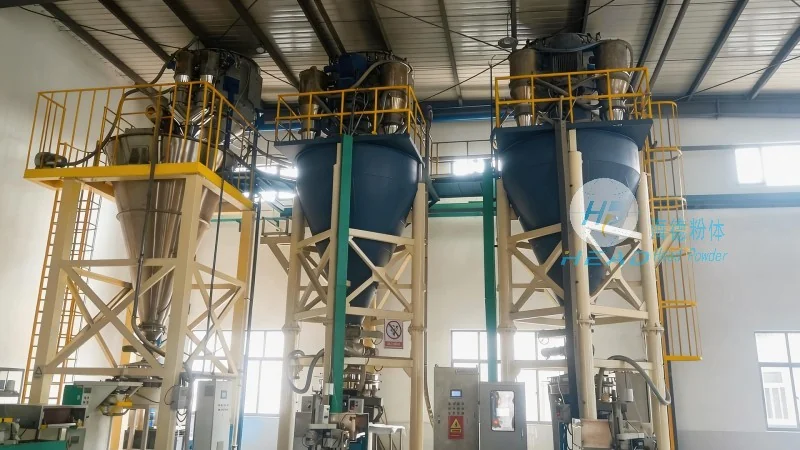
Conclusion
Calcium oxide material conveying lines are essential components in modern industrial operations, providing efficient and safe transportation of quicklime. The principles and working scene characteristics of these systems are designed to meet the specific demands of various industries, ensuring optimal performance and reliability. As a leading provider, Shandong HeadPowder Engineering Co., Ltd. continues to innovate and improve its conveying solutions, helping clients enhance their production processes and achieve their business objectives. With its expertise and commitment to quality, HeadPowder remains a trusted partner for businesses seeking reliable material handling systems for calcium oxide and other bulk materials.