Light calcium powder, also known as precipitated calcium carbonate (PCC), is a widely used industrial material in various sectors such as papermaking, plastics, and coatings. The efficient and reliable transportation of this fine powder is crucial for maintaining production efficiency and product quality. This article explores the principle and working scene characteristics of light calcium powder material conveying lines, highlighting the technical aspects and practical applications in industrial settings.
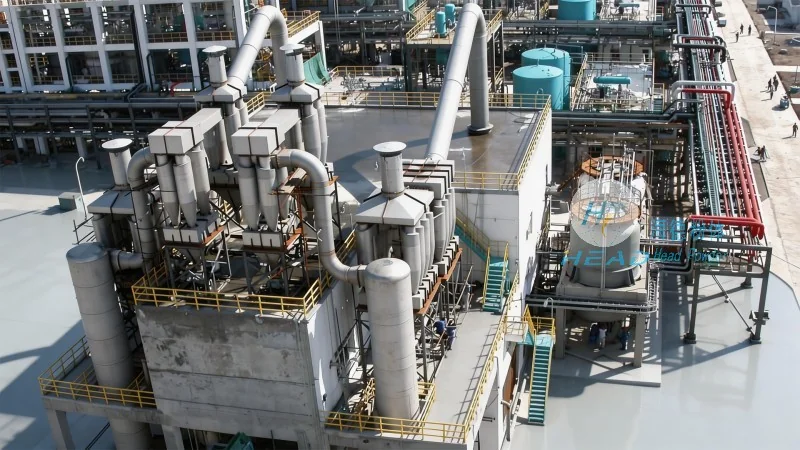
Understanding the Core Principle of Light Calcium Powder Conveying Systems
The light calcium powder conveying line operates on the principle of pneumatic or mechanical transport, depending on the specific design and material properties. Pneumatic conveying systems utilize air or gas to move the powder through a pipeline, while mechanical systems may employ screw conveyors, belt conveyors, or bucket elevators. The choice of system depends on factors like the powder's particle size, moisture content, and the required conveying distance. For light calcium powder, which is typically fine and dusty, pneumatic conveying is often preferred due to its ability to handle high volumes with minimal product degradation. The system typically consists of a hopper for material storage, a feeder to control the flow rate, a conveying line (often with multiple sections for different pressure zones), and a receiver to collect the material at the destination. The air flow is regulated to maintain a consistent velocity, ensuring the powder particles are suspended and transported smoothly without clogging or degradation.
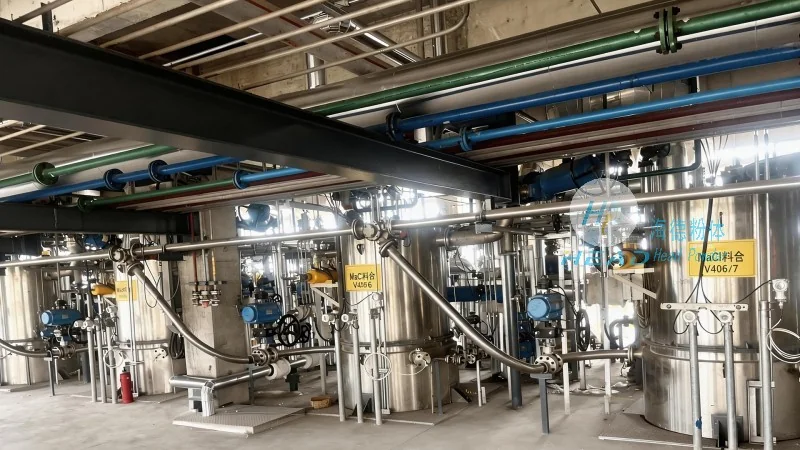
Key Working Scene Characteristics and Applications
The working scene characteristics of light calcium powder conveying lines are tailored to meet the demands of different industrial environments. In paper mills, for instance, these systems are used to transport PCC from storage silos to the papermaking machines, where it acts as a filler to improve paper strength and whiteness. The conveying process must be dust-free and precise to avoid contamination and ensure consistent product quality. In the plastics industry, light calcium powder is added to polymer compounds to enhance their mechanical properties and reduce costs. The conveying line in this context needs to handle larger volumes and maintain a stable flow rate to support continuous production. Additionally, in the coatings and paints sector, the fine powder is used as a pigment or extender, requiring a conveying system that can deliver the material to mixing and blending equipment without agglomeration. The working scene characteristics include high-speed, low-dust, and continuous operation, with the ability to integrate with other production processes seamlessly.
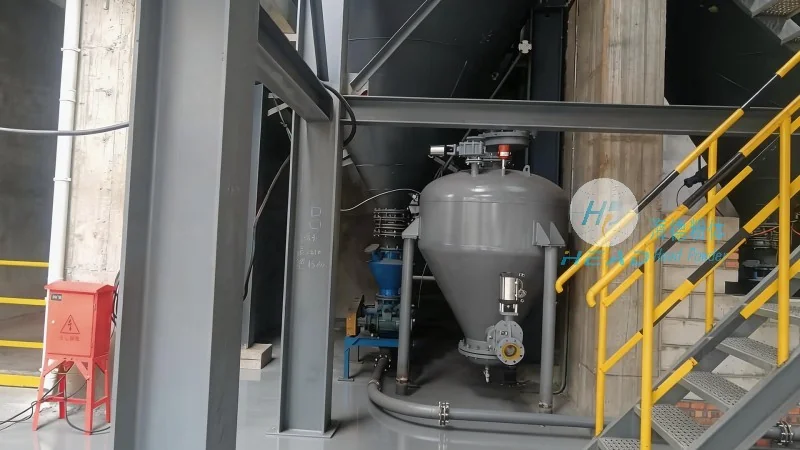
Technical Advantages and Practical Considerations
Light calcium powder material conveying lines offer several technical advantages that make them suitable for industrial applications. Pneumatic systems provide a clean and enclosed transport environment, reducing the risk of product contamination and dust pollution. They also allow for flexible routing, enabling the line to be adjusted to fit the layout of a factory or plant. Mechanical systems, on the other hand, are more suitable for heavy-duty applications where high material throughput is required. However, they may require more maintenance and are less flexible in terms of routing. Practical considerations include the need for proper dust collection and filtration to comply with environmental regulations, as well as regular maintenance of the conveying equipment to prevent wear and tear. The system's efficiency is also influenced by factors such as the powder's moisture content and particle size distribution, which can affect the air flow and material transport. Proper sizing of the conveying line and air pressure is critical to ensure optimal performance and minimize energy consumption.
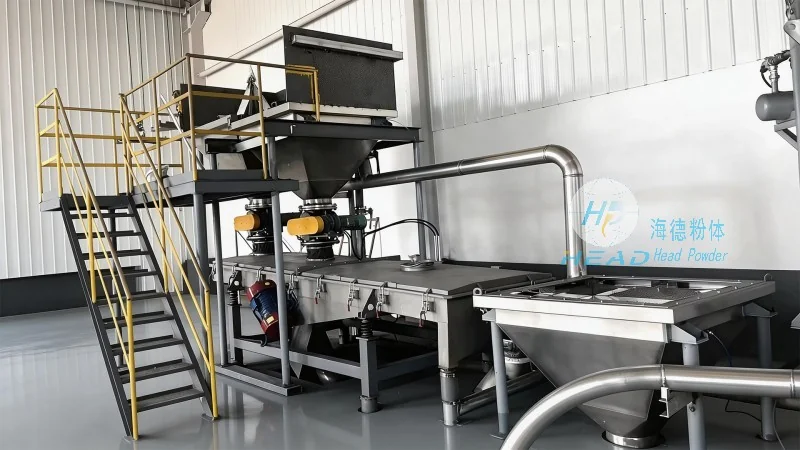
About Shandong HeadPowder Engineering Co., Ltd.
Shandong HeadPowder Engineering Co., Ltd., a leading manufacturer in the field of powder processing equipment, specializes in the design, manufacturing, and installation of light calcium powder conveying lines and related systems. With years of experience and a commitment to quality, the company provides customized solutions tailored to the specific needs of its clients. HeadPowder's expertise lies in understanding the unique challenges of handling light calcium powder, such as its fine particle size and tendency to agglomerate, and developing systems that address these challenges effectively. The company's products are known for their reliability, efficiency, and compliance with industry standards, making them a trusted choice for businesses in the paper, plastics, and coatings industries. Based in Shandong, China, HeadPowder serves clients both domestically and internationally, delivering high-quality equipment and technical support to ensure optimal performance and long-term operation of their conveying systems.




