HeadPowder, a leading engineering company based in Shandong, China, specializes in the design and implementation of advanced material handling systems for the cement industry. This article focuses on the principle and working scene characteristics of cement clinker material conveying lines, providing insights into the technical aspects and practical applications of these critical systems.
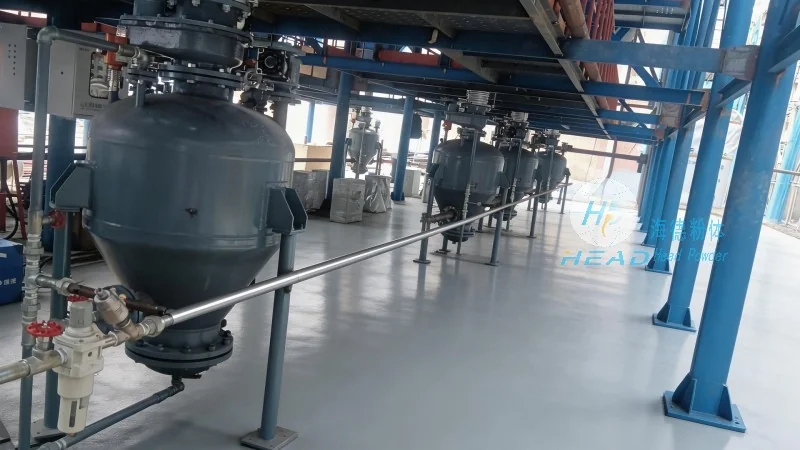
Introduction to Cement Clinker Material Conveying Lines
Cement clinker material conveying lines are integral components of modern cement production facilities, responsible for the efficient transport of clinker—a key intermediate product—from production sites to storage or further processing stages. These systems are engineered to handle the unique challenges posed by clinker, including its high temperature, abrasive nature, and bulk density, ensuring reliable and continuous operation within the cement manufacturing process.
Principle of Operation for Cement Clinker Conveying Systems
The core principle of cement clinker material conveying lines revolves around the use of specialized equipment designed to withstand the harsh conditions of clinker handling. Common components include belt conveyors, bucket elevators, and pneumatic conveying systems, each tailored to specific operational requirements. Belt conveyors, for instance, are widely used for horizontal and inclined transport due to their high load capacity and durability, while bucket elevators excel in vertical lifting applications, often integrated with horizontal sections to form complete conveying routes.
These systems operate by converting mechanical energy into motion, typically through motor-driven drives that rotate pulleys or sprockets. The clinker is fed onto the conveyor belt or into the buckets of an elevator, where it is transported along the designated path. Control mechanisms, such as variable speed drives and tension adjustment systems, ensure smooth operation and adapt to fluctuations in material flow, maintaining consistent throughput rates.
Working Scene Characteristics of Cement Clinker Conveying Lines
The working scene characteristics of cement clinker material conveying lines are shaped by the diverse operational environments within cement plants. These characteristics include factors like the length and layout of the conveying route, the temperature and moisture content of the clinker, and the need for integration with other production equipment.
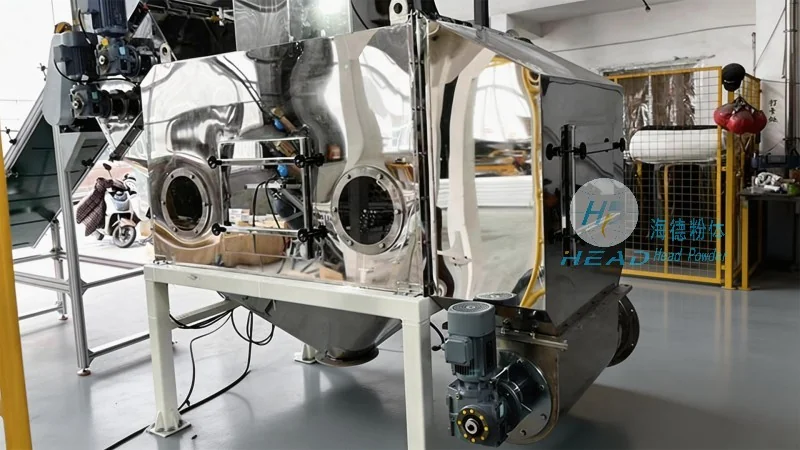
For example, in a typical cement production line, clinker is transported from the clinker cooler to the clinker storage silo or to the cement grinding plant. The conveying line may span several hundred meters, requiring a combination of horizontal and vertical sections to navigate the plant layout. The high temperature of the clinker (often exceeding 100°C) necessitates the use of heat-resistant materials and insulation for conveyor components to prevent damage and ensure safety.
Another key characteristic is the abrasive nature of clinker, which can cause wear on conveyor belts and elevator buckets. To mitigate this, specialized materials like rubber or steel with protective coatings are employed, along with regular maintenance schedules to replace worn parts and extend the system's service life. The bulk density of clinker, typically around 1.1 to 1.3 tons per cubic meter, also influences the design of the conveying system, as it affects the required belt speed and drive power.
Application Scenarios and Operational Efficiency
Cement clinker material conveying lines are employed in various operational scenarios within the cement industry, each with distinct requirements that dictate system design and performance. In large-scale cement plants, these systems are often part of a continuous production line, where the efficiency of material transport directly impacts overall plant productivity.
One common scenario is the transport of clinker from the clinker cooler to the clinker storage silo, where it is temporarily stored before being fed to the cement grinding mill. This process requires a reliable conveying system that can handle high volumes of clinker while maintaining low maintenance costs. The use of belt conveyors with reinforced belts and heavy-duty pulleys is typical in such applications, as they can withstand the continuous flow of abrasive clinker over extended periods.
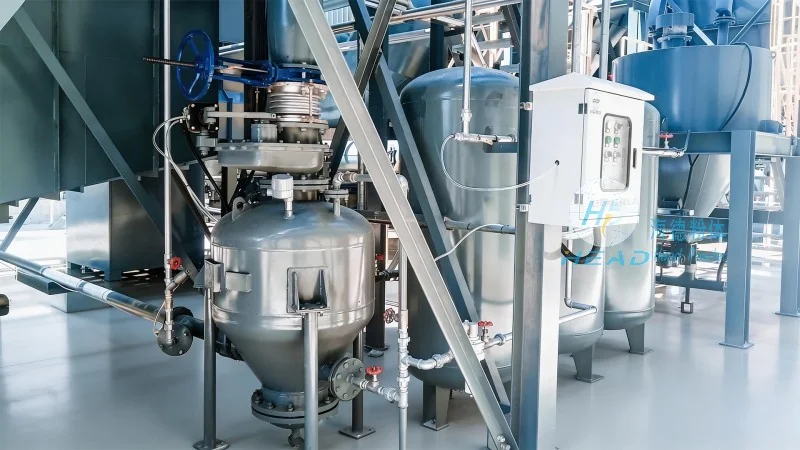
Another scenario involves the integration of clinker conveying lines with the cement grinding plant, where clinker is mixed with gypsum and other additives to produce finished cement. The conveying system must ensure a consistent flow rate to the grinding mill, as fluctuations can lead to quality variations in the final product. Advanced control systems, such as PLC (Programmable Logic Controller) based controls, are often implemented to monitor and adjust the conveying speed in real-time, optimizing the overall production process.
Technical Advantages and Innovation in Cement Clinker Conveying
Modern cement clinker material conveying lines incorporate several technical advantages that enhance their performance and reliability. These include the use of energy-efficient drives, which reduce operational costs by optimizing power consumption based on the load. Additionally, the integration of sensors and monitoring systems allows for real-time tracking of conveyor performance, enabling predictive maintenance and minimizing downtime.
HeadPowder Engineering Co., Ltd., with its headquarters in Shandong, China, has been at the forefront of developing innovative solutions for cement material handling. The company's expertise in designing customized conveying systems ensures that clients receive tailored solutions that meet their specific operational needs, whether for new plant installations or upgrades to existing facilities.
The company's approach to cement clinker conveying lines emphasizes durability, efficiency, and safety. By leveraging advanced materials and engineering techniques, HeadPowder's systems are built to withstand the harsh conditions of clinker handling while delivering consistent performance over long service intervals. This commitment to quality and innovation has made HeadPowder a trusted partner for cement manufacturers seeking reliable material transport solutions.




