

Principle and Working Scene Characteristics of Chromium(III) Oxide Material Conveying Lines
Chromium(III) oxide, also known as chromium sesquioxide, is a critical material in various industrial applications. The material conveying line designed for handling this compound plays a pivotal role in ensuring efficient and safe material transport within industrial settings. This article delves into the fundamental principles of such conveying systems and highlights the key characteristics of their operational environments.
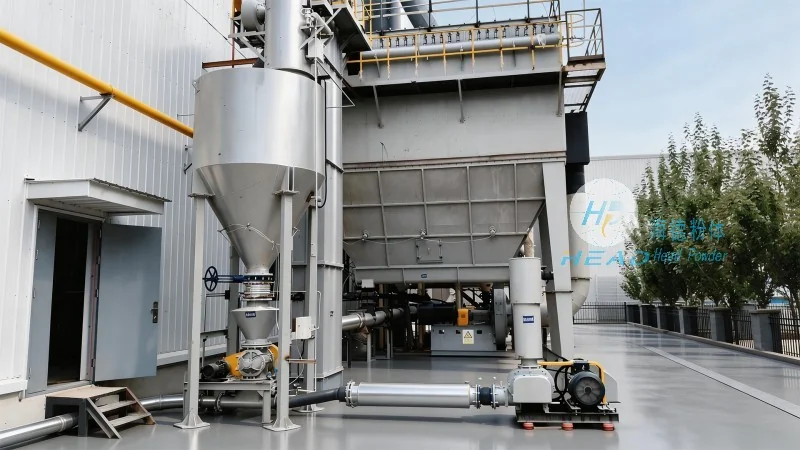
Core Principles of Material Conveying Systems for Chromium(III) Oxide
The operation of a chromium(III) oxide material conveying line is built upon several core principles that ensure optimal performance. These principles include precise control of material flow, effective dust suppression, and robust equipment design to handle the physical properties of chromium(III) oxide. The system typically integrates components such as feeders, conveyors, and dust collection units, all working in tandem to maintain a stable and controlled material transport process. The design emphasizes minimizing material degradation and ensuring compliance with safety standards, which are paramount in handling potentially hazardous materials like chromium compounds.
Working Scene Characteristics of Chromium(III) Oxide Conveying Lines
The operational environment of chromium(III) oxide material conveying lines varies based on the specific industrial application. These systems are commonly found in manufacturing facilities, chemical processing plants, and research laboratories where chromium(III) oxide is used as a pigment, catalyst, or in the production of other chemical compounds. The working scene characteristics include high-volume material handling, often requiring continuous operation to meet production demands. Additionally, the environment may involve exposure to moisture, temperature fluctuations, or other contaminants that necessitate specialized equipment to maintain material integrity and system efficiency. The design of the conveying line must adapt to these conditions, ensuring durability and reliability under diverse operational stresses.
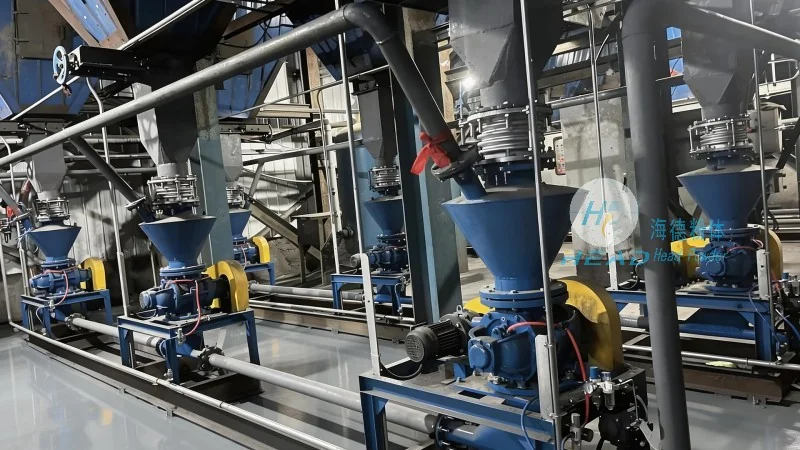
Key Components and Their Functions in the Conveying Line
Several key components make up a chromium(III) oxide material conveying line, each serving a critical function in the overall process. The feeders, typically screw or vibratory types, are responsible for uniformly feeding the material into the conveyor system. These components ensure consistent material flow rates, preventing blockages or uneven distribution that could disrupt the conveying process. The conveyors, often belt or pneumatic systems, transport the material from the feeder to the discharge point. The choice of conveyor type depends on factors such as material characteristics, required transport distance, and environmental considerations. Dust collection units are integral to maintaining air quality and protecting personnel from inhalation of fine chromium(III) oxide particles. These units typically use filtration or cyclone separation to capture dust, ensuring compliance with occupational health and safety regulations. The control systems, including sensors and automation devices, monitor and regulate the operation of the conveying line, providing real-time feedback and adjustments to maintain optimal performance.
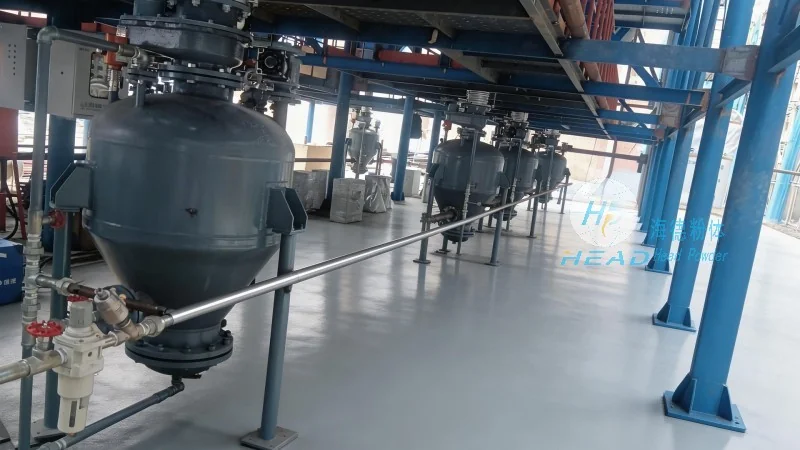
Application Scenarios and Industry Use Cases
Chromium(III) oxide material conveying lines are employed in a wide range of applications across different industries. In the pigment industry, these systems are used to transport chromium(III) oxide for the production of high-quality pigments used in paints, coatings, and plastics. The consistent quality of the material is crucial in this sector, as variations can affect the final product's color and performance. In the chemical manufacturing sector, the conveying lines facilitate the handling of chromium(III) oxide in the production of other chemical compounds, such as chromium salts or catalysts. The reliability of the system is essential in these processes, as any downtime can lead to significant production losses. Additionally, in research and development laboratories, specialized conveying lines are used to handle chromium(III) oxide for experimental purposes, requiring precise control and minimal contamination. Each application scenario demands tailored solutions to meet specific operational requirements, ensuring the conveying line is optimized for the task at hand.
Advantages and Benefits of Advanced Conveying Solutions
Modern chromium(III) oxide material conveying lines offer several advantages that enhance operational efficiency and safety. The integration of advanced materials and engineering designs improves the durability of components, reducing maintenance costs and extending the system's lifespan. The use of automated control systems allows for real-time monitoring and adjustment, minimizing the risk of material loss or system failures. Additionally, the implementation of dust suppression technologies ensures a safer working environment by reducing airborne particles. These advancements not only improve the overall performance of the conveying line but also contribute to cost savings and increased productivity. The benefits extend to regulatory compliance, as modern systems are designed to meet stringent environmental and safety standards, reducing the risk of penalties or operational disruptions.