Denitrification urea material conveying lines are critical components in industrial processes, particularly in facilities that utilize urea as a reducing agent for nitrogen oxide (NOx) reduction. These systems are designed to efficiently transport urea, a key chemical in flue gas desulfurization and denitrification processes, from storage to application points. The operation of such lines involves several key principles and operational characteristics that ensure reliable and effective material handling. Developed by Shandong HeadPowder Engineering Co., Ltd., a leading manufacturer based in Shandong, China, these conveying lines are engineered to meet the demanding requirements of modern industrial applications.
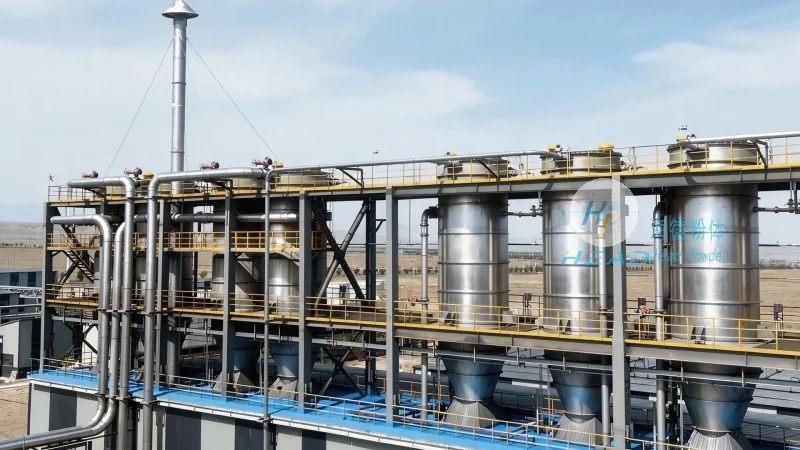
Principle of Denitrification Urea Material Conveying Lines
The core principle of denitrification urea material conveying lines is to provide a continuous, controlled flow of urea from storage silos or bulk containers to the injection points in combustion or flue gas systems. This is typically achieved through a combination of mechanical conveying equipment, such as screw conveyors, pneumatic conveyors, or hydraulic systems, depending on the specific application requirements. The system must maintain a consistent urea concentration and flow rate to ensure optimal denitrification efficiency. Key components include urea storage tanks, feeders, conveying mechanisms, and control systems that regulate the delivery of urea to the point of use.
Working Scene Characteristics of Denitrification Urea Material Conveying Lines
The working scene characteristics of denitrification urea material conveying lines vary based on the industrial environment and the scale of the denitrification system. In power plants, for example, these lines are often integrated into large-scale flue gas treatment systems where high volumes of urea are required to reduce NOx emissions. The operational environment may involve high temperatures, corrosive gases, and the need for precise control to meet environmental regulations. In such scenarios, the conveying lines are designed with materials resistant to corrosion and heat, and equipped with advanced control systems to maintain stable operation under varying conditions. Another common application is in industrial boilers and industrial furnaces where urea is used as a selective catalytic reduction (SCR) agent. The conveying lines in these settings may be smaller in scale but still require high precision to ensure uniform urea distribution across the catalyst bed.
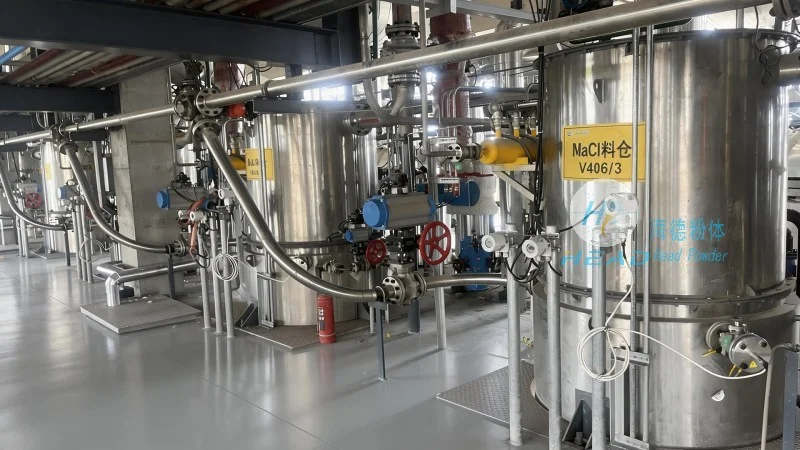
Key Operational Features and Advantages
Denitrification urea material conveying lines offer several operational advantages that make them essential in modern industrial applications. One of the primary advantages is their ability to maintain a consistent urea feed rate, which is crucial for achieving stable NOx reduction levels. The systems are designed to minimize material degradation, such as caking or agglomeration, which can occur during storage or transport. This is achieved through proper temperature control, moisture management, and the use of specialized feeders that prevent blockages. Additionally, the conveying lines are equipped with safety features, including pressure relief valves and emergency shutdown systems, to protect against over-pressurization or other operational hazards. The integration of these features ensures that the system operates reliably and safely, even under demanding conditions.
Application-Specific Design Considerations
The design of denitrification urea material conveying lines is tailored to the specific requirements of each application. For instance, in power plants, the lines may need to handle large volumes of urea over long distances, requiring high-capacity conveying equipment and robust infrastructure. In contrast, industrial applications may involve shorter conveying distances and lower material volumes, allowing for more compact and cost-effective designs. The choice of conveying method (e.g., screw vs. pneumatic) is influenced by factors such as the urea's physical properties, the need for dust control, and the available space in the facility. Furthermore, the system must be compatible with the existing flue gas treatment infrastructure, including the injection equipment and control systems, to ensure seamless integration and optimal performance.
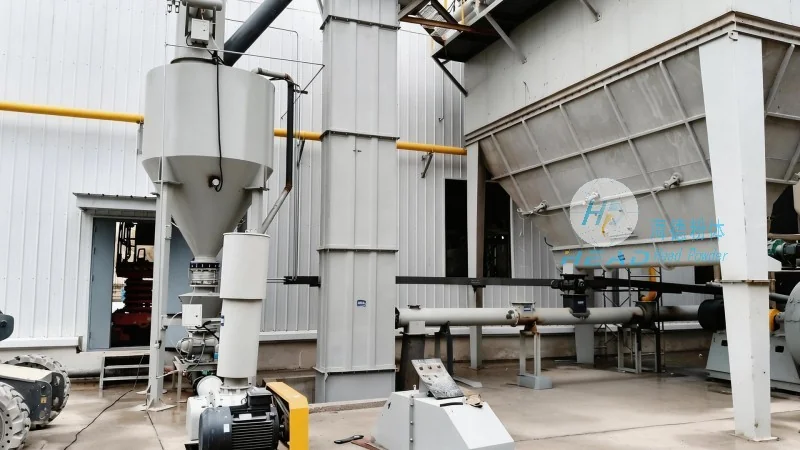
Maintenance and Operational Best Practices
Proper maintenance is essential to ensure the long-term reliability and efficiency of denitrification urea material conveying lines. Regular inspections of the conveying equipment, including bearings, seals, and drive mechanisms, are necessary to prevent mechanical failures. The urea storage and feeding systems should be checked for signs of corrosion or material buildup, which can affect flow rates and system performance. Additionally, the control systems should be calibrated regularly to maintain accurate urea feed rates and to detect any deviations from the set parameters. Implementing a preventive maintenance schedule, including routine cleaning and lubrication, can significantly reduce downtime and extend the lifespan of the equipment. Best practices also include monitoring the urea quality and flow characteristics during operation to identify any changes that may indicate system issues.
Conclusion
Denitrification urea material conveying lines are sophisticated systems that play a vital role in modern industrial processes, particularly in the reduction of nitrogen oxide emissions. By understanding the underlying principles and operational characteristics of these systems, industries can ensure efficient and reliable urea delivery, leading to optimal denitrification performance and compliance with environmental regulations. The continuous advancement of conveying technology and control systems further enhances the effectiveness of these lines, making them indispensable in the pursuit of sustainable industrial operations.




