

Principle and Working Scenario Characteristics of Calcium Hydroxide Powder Material Conveying Lines
Calcium hydroxide powder, commonly known as slaked lime, is a widely used chemical in various industrial sectors, including construction, agriculture, and chemical manufacturing. The efficient and reliable transportation of this fine powder is crucial for maintaining production efficiency and product quality. This article explores the principle behind calcium hydroxide powder material conveying lines and highlights the key working scenario characteristics that define their performance in real-world applications.
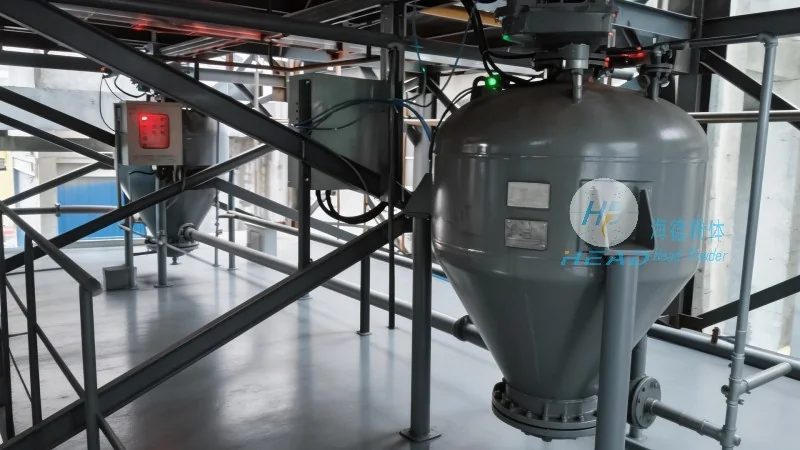
Introduction to Calcium Hydroxide Powder Conveying Systems
Calcium hydroxide powder material conveying lines are specialized systems designed to transport calcium hydroxide powder from storage or processing areas to various points of use. These systems are engineered to handle the unique properties of calcium hydroxide, such as its fine particle size, hygroscopic nature, and potential for dust generation. The primary goal of these conveying lines is to ensure a continuous, controlled flow of material while minimizing loss, contamination, and operational risks.
The Core Principle of Material Conveying
The fundamental principle of calcium hydroxide powder material conveying lines revolves around the use of mechanical or pneumatic systems to move the powder. Mechanical conveying methods, such as screw conveyors, belt conveyors, and bucket elevators, rely on physical force to transport the material. Pneumatic conveying systems, on the other hand, use compressed air to create a flow of material through a pipeline. Both approaches are designed to address the challenges posed by calcium hydroxide powder, including its tendency to clump or agglomerate, which can impede smooth transport.
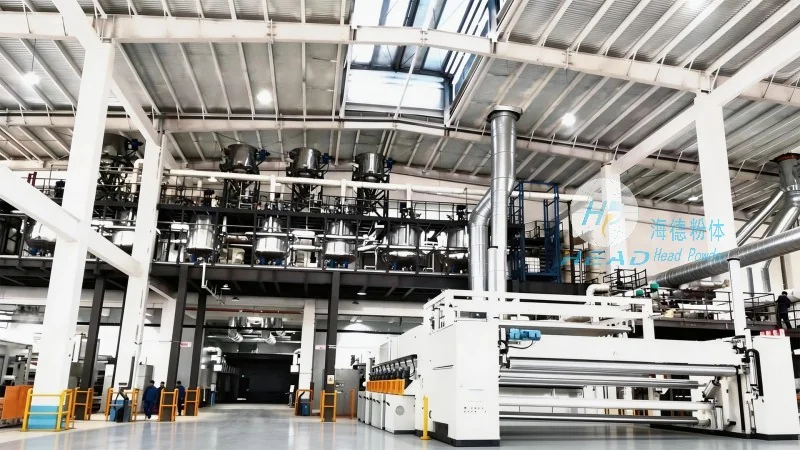
Working Scenario Characteristics in Industrial Applications
The working scenario characteristics of calcium hydroxide powder conveying lines are highly dependent on the specific industrial application. In construction, for example, these systems are often used to transport calcium hydroxide to mixing stations for concrete production, where precise dosage is critical. In agricultural settings, the conveying lines may be integrated into fertilizer or soil amendment processes, requiring the material to be delivered to application equipment with minimal degradation. In chemical manufacturing, the systems may be part of larger production lines that involve the processing of calcium hydroxide into other chemical products, necessitating high-purity and low-loss transport.
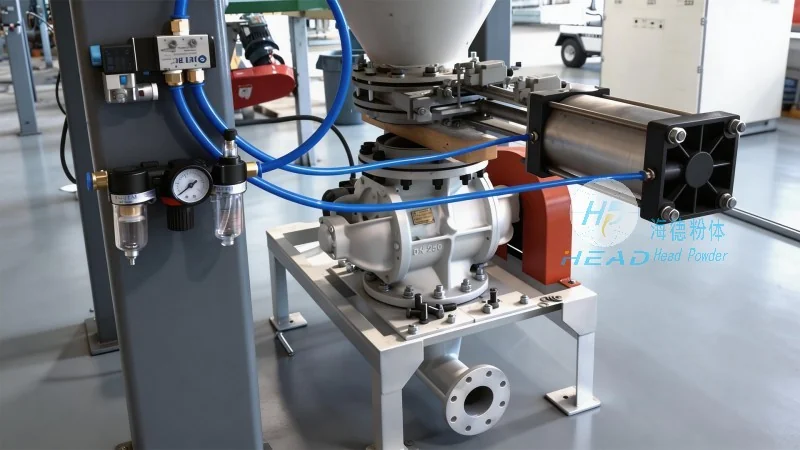
Company Profile and Technical Expertise
Shandong HeadPowder Engineering Co., Ltd., a leading manufacturer in the field, specializes in the design, development, and implementation of calcium hydroxide powder material conveying systems. With a strong presence in China, particularly in Shandong, the company leverages years of experience and advanced engineering to deliver customized solutions tailored to the unique needs of each client. The company’s expertise lies in understanding the specific challenges of calcium hydroxide powder, such as its hygroscopicity and dust generation, and developing systems that mitigate these issues through innovative design and material selection.
Conclusion
Calcium hydroxide powder material conveying lines are essential components in industries that rely on this versatile chemical. By understanding the core principles of material transport and the specific working scenario characteristics, manufacturers can optimize their operations and ensure the consistent quality of their products. Companies like Shandong HeadPowder Engineering Co., Ltd. play a vital role in providing the technical expertise and tailored solutions needed to meet the demands of modern industrial applications.