

Principle and Working Scene Characteristics of Rice Husk Ash Material Conveying Lines
Rice husk ash, a byproduct of rice processing, is widely utilized in various industrial applications due to its unique properties. Efficient handling and transportation of this material are crucial for optimizing production processes. The material conveying line, specifically designed for rice husk ash, plays a vital role in ensuring smooth material flow from collection to processing stages. This article explores the fundamental principles and operational characteristics of such systems, highlighting their importance in industrial settings.
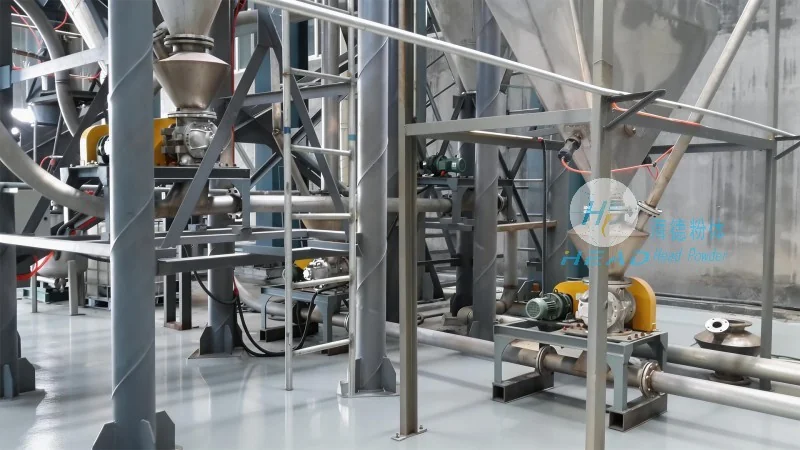
Core Principles of Material Conveying Systems
The operation of a rice husk ash material conveying line is based on several key principles that ensure reliable and efficient material transport. These systems typically utilize mechanical components such as belts, screws, or pneumatic devices to move the material. The design of the conveying line is tailored to the physical properties of rice husk ash, including its density, moisture content, and particle size. For instance, the choice of conveyor type—whether a belt conveyor, screw conveyor, or pneumatic conveyor—depends on factors like the material's flowability and the required conveying distance. The system also incorporates control mechanisms to regulate the speed and direction of material movement, ensuring consistent performance under varying operational conditions.
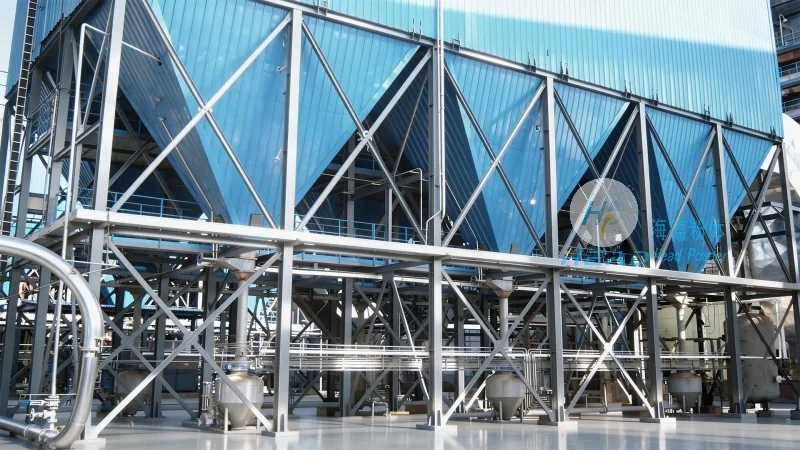
Working Scene Characteristics and Applications
The working scene characteristics of rice husk ash material conveying lines vary based on the specific industrial application. In power plants, for example, these systems are used to transport ash from boilers to storage or disposal areas. The conveying lines are designed to handle high volumes of material and maintain a stable flow rate, which is essential for continuous power generation. In construction material production, the conveying lines transport ash to mixing stations where it is used as an additive in cement or concrete. The working environment in these applications often involves high temperatures and dust, requiring robust materials and sealing systems to prevent contamination and ensure worker safety. Additionally, the conveying lines are integrated with other processing equipment, such as crushers or classifiers, to form a comprehensive material handling system that enhances overall operational efficiency.
Key Features and Technical Specifications
Modern rice husk ash material conveying lines are equipped with several advanced features that enhance their performance and reliability. These include variable speed drives that allow for precise control of material flow, sensors for monitoring levels and blockages, and automated control systems that adjust the operation based on real-time data. The conveyor components are typically made from corrosion-resistant materials to withstand the acidic nature of rice husk ash and the harsh operating conditions. The system also incorporates safety features, such as emergency stop buttons and protective guards, to ensure safe operation. Technical specifications of these systems vary depending on the application, with conveying capacities ranging from a few tons per hour to several hundred tons per hour. The design also considers space constraints and environmental factors, ensuring that the conveying line can be installed in various industrial settings without compromising efficiency.
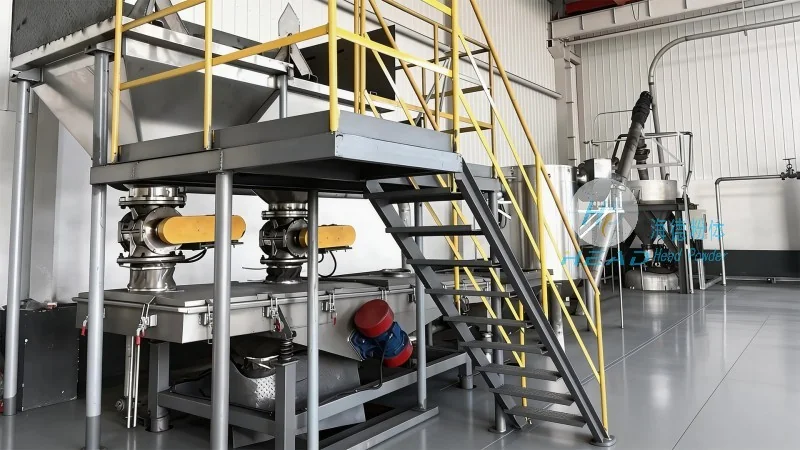
Case Study: Application in a Local Power Plant
Shandong HeadPowder Engineering Co., Ltd. has successfully implemented a rice husk ash material conveying line in a local power plant in Shandong, China. The system was designed to transport ash from the boiler to the storage silo, with a conveying capacity of 200 tons per hour. The line utilized a combination of belt and screw conveyors, with a pneumatic section for the final transport to the silo. The system has been in operation for over two years, demonstrating high reliability and efficiency. The plant operators reported that the conveying line has reduced labor costs by 30% and improved the overall production process. The success of this project highlights the effectiveness of the conveying line in industrial applications and the expertise of Shandong HeadPowder Engineering Co., Ltd. in designing and implementing such systems.