

Principle and Working Scene Characteristics of Wood Fiber Material Conveying Lines
Wood fiber material conveying lines are essential equipment in the processing and handling of wood fiber materials, playing a crucial role in improving production efficiency and ensuring the smooth operation of industrial processes. This article will delve into the working principle of these lines and explore the key characteristics of their application scenarios, providing a comprehensive understanding for professionals in the industry.
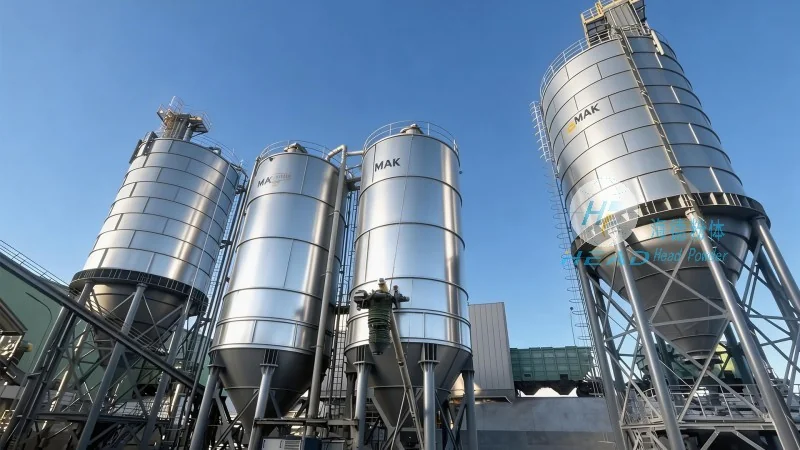
Working Principle of Wood Fiber Material Conveying Lines
The core working principle of wood fiber material conveying lines revolves around the efficient transportation of wood fiber materials from one processing stage to another. These systems typically utilize a combination of mechanical components, such as belts, rollers, and drive mechanisms, to move the material along a designated path. The design of the conveying line is tailored to handle the specific properties of wood fiber, including its fibrous structure, moisture content, and bulk density. By integrating advanced control systems and sensors, the conveying process can be optimized for speed, accuracy, and energy efficiency. The system ensures that the material is transported without damage, maintaining its quality for subsequent processing steps. For instance, in a pulp and paper manufacturing facility, the conveying line efficiently moves wood chips or pulp slurry from the raw material storage area to the processing machines, minimizing downtime and maximizing throughput.
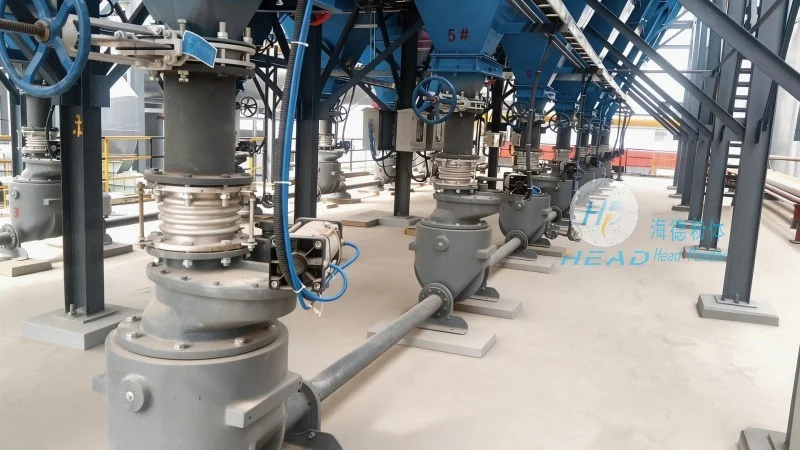
Key Characteristics of Working Scene Applications
The application scenarios of wood fiber material conveying lines vary widely across different industries, each with unique requirements that influence the design and functionality of the system. In the pulp and paper industry, these lines are commonly used to transport raw wood chips, recovered paper, or finished paper products. The operational environment in this sector often involves high volumes of material and strict quality control, making the conveying line's reliability and durability critical. Additionally, in the wood processing industry, such as sawmills and particle board factories, the conveying lines handle wood shavings, sawdust, and other wood waste, contributing to the recycling and utilization of byproducts. The working scene characteristics also include the need for adaptability to different material types and processing stages, ensuring that the conveying system can be integrated seamlessly into existing production lines. Furthermore, the design of the conveying line must consider factors like space constraints, environmental conditions, and safety regulations, which vary from one facility to another. For example, in a modern sawmill, the conveying line may be integrated with automated sorting and grading systems, enhancing the overall efficiency of the wood processing operation.
Technical Advantages and Performance Features
Modern wood fiber material conveying lines are equipped with advanced technologies that enhance their performance and operational capabilities. These systems often incorporate variable speed drives, allowing for precise control over the conveying speed based on the material's characteristics and processing requirements. The use of high-quality belts and rollers ensures minimal wear and tear, reducing maintenance costs and extending the service life of the equipment. Additionally, the integration of sensors and monitoring systems provides real-time data on the conveying process, enabling proactive maintenance and troubleshooting. The design of the conveying line also focuses on energy efficiency, with features like regenerative drives and optimized belt tension reducing power consumption. In terms of safety, the systems are equipped with emergency stop mechanisms and protective guards, ensuring compliance with industrial safety standards. These technical advantages make the wood fiber material conveying lines a reliable and efficient solution for various industrial applications, supporting the sustainable processing of wood fiber materials.
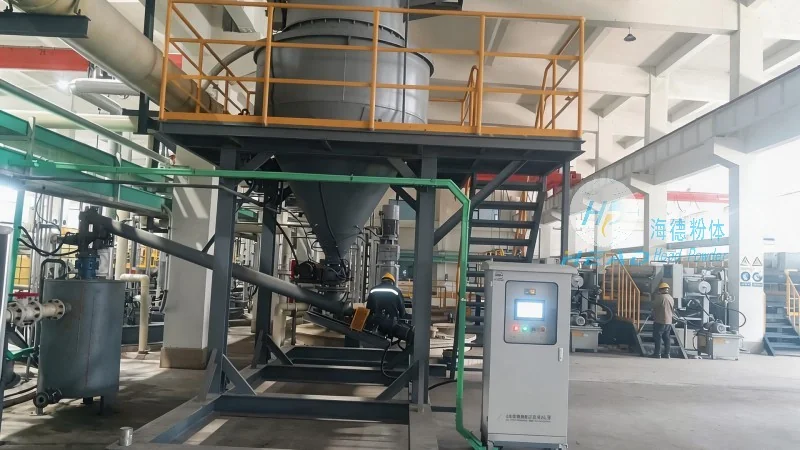
About Shandong HeadPowder Engineering Co., Ltd.
Shandong HeadPowder Engineering Co., Ltd., commonly known as HeadPowder, is a leading manufacturer and supplier of industrial conveying equipment, specializing in the design and production of wood fiber material conveying lines. With a strong commitment to innovation and quality, the company has established itself as a trusted partner in the pulp and paper, wood processing, and related industries. HeadPowder's manufacturing facilities are located in Shandong, China, where the company leverages advanced production technologies and skilled engineering expertise to develop customized conveying solutions tailored to the specific needs of its clients. The company's products are known for their durability, efficiency, and reliability, meeting the stringent requirements of modern industrial operations. By focusing on customer satisfaction and continuous improvement, HeadPowder has built a reputation for delivering high-quality equipment that enhances the productivity and sustainability of its clients' operations.