

Working Principle and Features of an Anhydrous Sodium Sulfate Pneumatic Conveying System
At Shandong HeadPowder Engineering Co., Ltd., we specialize in the design, manufacturing, and installation of advanced pneumatic conveying systems tailored for the efficient handling of anhydrous sodium sulfate. This article delves into the core working principle and key features of such systems, providing a comprehensive understanding for potential users and industry professionals.
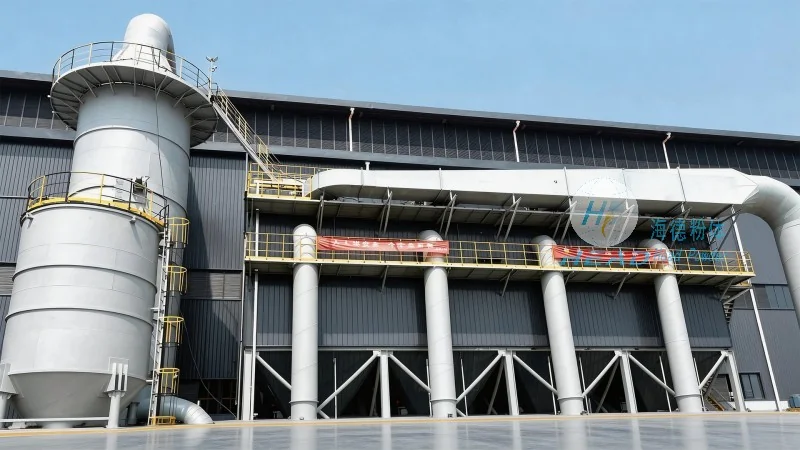
The anhydrous sodium sulfate pneumatic conveying system operates on the fundamental principle of transporting bulk materials through a pressurized or vacuum air stream. Unlike traditional mechanical conveying methods, this system utilizes air as the primary medium to move the material from the source to the destination. The process typically involves a hopper or storage silo where the anhydrous sodium sulfate is stored. From there, the material is fed into a conveying line equipped with a rotary valve or feeder, which controls the flow rate. Simultaneously, a blower or compressor generates the necessary air pressure to create a flow within the pipeline. As the material is introduced into the air stream, it becomes entrained and travels through the pipeline to the receiving vessel or processing unit. The system may include components such as filters, cyclones, and dust collectors to ensure the material is transported without loss or contamination.
A key feature of the anhydrous sodium sulfate pneumatic conveying system is its ability to handle fine or powdery materials with high efficiency. The air flow ensures that even the smallest particles are effectively conveyed, minimizing the risk of blockages or material degradation. This is particularly beneficial for anhydrous sodium sulfate, which is often in a fine powder form, as it requires a system that can maintain consistent flow rates and prevent agglomeration. The system's design allows for adjustable air pressure and flow rates, enabling operators to optimize the conveying process based on the specific characteristics of the material and the distance to be covered.
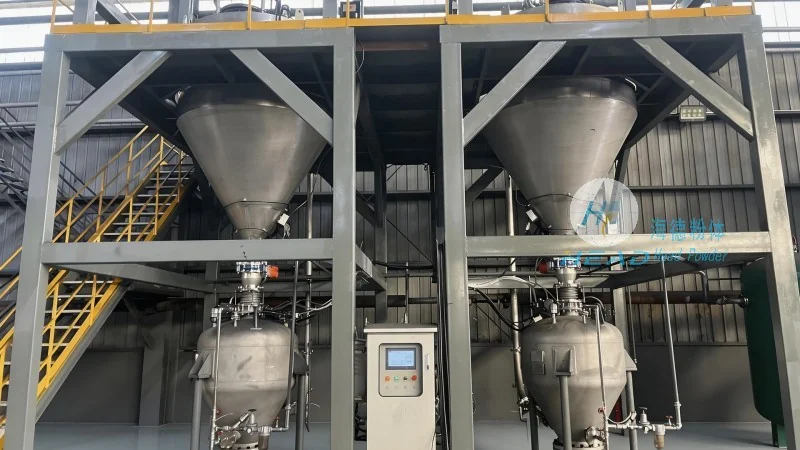
Another significant feature is the system's flexibility in terms of layout and integration. Pneumatic conveying systems can be configured in various configurations, including dilute phase and dense phase, to suit different operational needs. For anhydrous sodium sulfate, a dilute phase system is often preferred due to its ability to handle longer distances and higher material throughput with lower energy consumption. The system can be integrated with existing infrastructure, such as storage silos and processing equipment, without significant modifications, making it a cost-effective solution for many industrial applications.
Operational efficiency is a critical aspect of the anhydrous sodium sulfate pneumatic conveying system. The system is designed to minimize downtime and maximize material throughput. The use of high-quality components, such as durable pipelines and efficient blowers, ensures long-term reliability and reduced maintenance costs. Additionally, the system's control mechanisms allow for precise monitoring and adjustment of the conveying process, ensuring that the material is transported at the optimal rate and pressure. This level of control is essential for maintaining product quality and preventing any potential issues related to material handling.
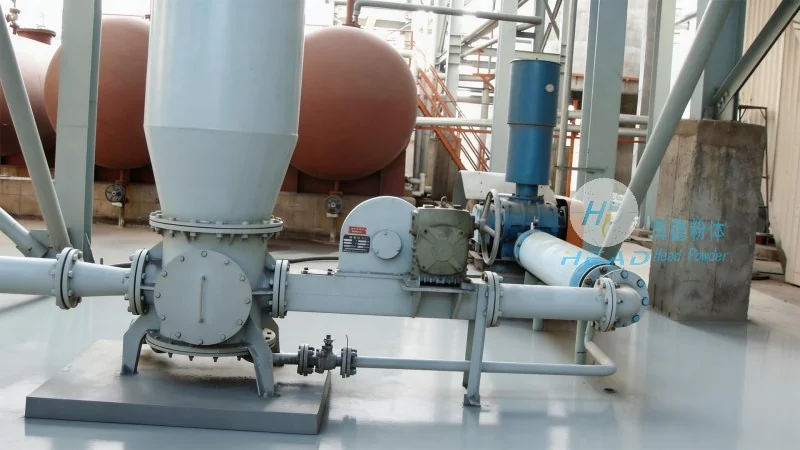
From a safety perspective, the anhydrous sodium sulfate pneumatic conveying system offers several advantages. The enclosed pipeline system prevents dust emissions and minimizes the risk of material exposure to the environment. This is particularly important for anhydrous sodium sulfate, which can be a respiratory irritant if inhaled in large quantities. The system's design also includes safety features such as pressure relief valves and emergency shut-off mechanisms to protect against over-pressurization or other operational hazards. These features contribute to a safer working environment and compliance with industrial safety regulations.
In conclusion, the anhydrous sodium sulfate pneumatic conveying system from Shandong HeadPowder Engineering Co., Ltd. combines advanced technology with robust design to provide an efficient and reliable solution for handling anhydrous sodium sulfate. The system's working principle, based on pneumatic transport, offers numerous benefits including high material throughput, flexibility in layout, and enhanced safety. By understanding the key features and operational aspects of this system, users can make informed decisions about implementing such technology in their industrial processes, ultimately improving productivity and operational efficiency.