

Principle and Working Scene Characteristics of Dicalcium Phosphate Material Conveying Lines
Shandong HeadPowder Engineering Co., Ltd., commonly known as headpowder, is a professional manufacturer specializing in the design, development, and production of material conveying systems. With a strong focus on industrial efficiency and reliability, the company has established itself as a leading provider in the field of material handling solutions, particularly for dicalcium phosphate (DCP) and other bulk materials. Headquartered in Shandong, China, the company leverages its extensive experience and advanced technology to deliver high-performance conveying lines tailored to diverse industrial needs.
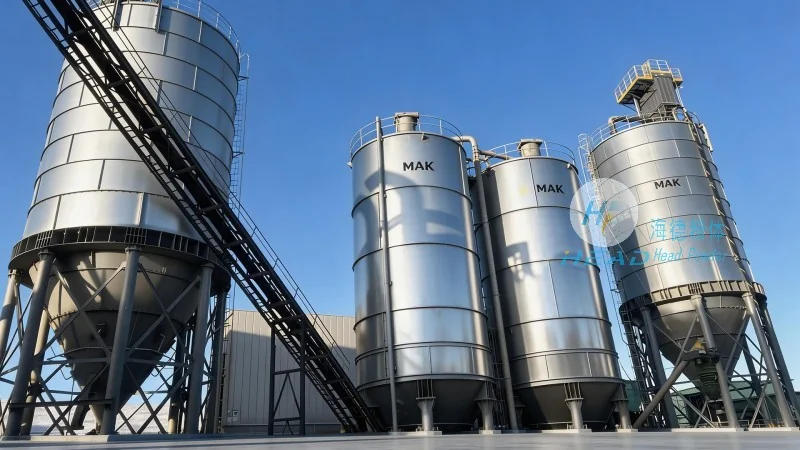
Principle of Dicalcium Phosphate Material Conveying Lines
The dicalcium phosphate material conveying line operates on the fundamental principle of mechanical transport, utilizing a combination of components to move bulk materials from one location to another efficiently. At the core of the system is a conveyor mechanism, which can be either belt-driven or screw-driven, depending on the specific requirements of the application. The conveyor system is designed to handle the unique properties of dicalcium phosphate, such as its granular texture and moderate bulk density, ensuring minimal material degradation during transport. Key components include feed hoppers, which regulate the flow of material into the conveyor, and discharge chutes that direct the material to its final destination. The system also incorporates control mechanisms, such as variable speed drives and level sensors, to maintain consistent material flow and prevent overloading or underloading of the conveyor. This integrated approach ensures that the conveying process is both reliable and energy-efficient, minimizing downtime and operational costs for industrial facilities.
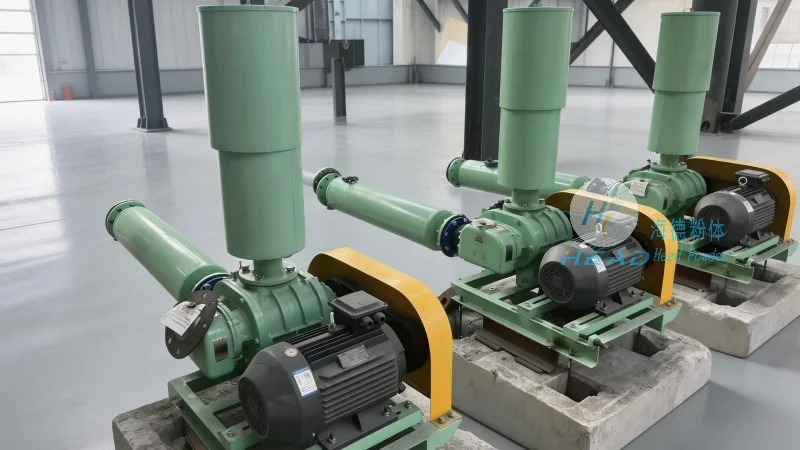
Working Scene Characteristics of Dicalcium Phosphate Material Conveying Lines
The working scene characteristics of dicalcium phosphate material conveying lines are tailored to meet the demands of various industrial environments, including feed mills, fertilizer plants, and pharmaceutical manufacturing facilities. These systems are designed to operate in both indoor and outdoor settings, with robust construction to withstand harsh conditions such as dust, moisture, and temperature fluctuations. The conveyor lines are typically integrated into larger production lines, where they play a critical role in connecting different processing stages, such as raw material storage, grinding, and packaging. For example, in a feed mill, the conveying line may transport DCP from a storage silo to a mixing machine, ensuring a steady supply of material for the production of animal feed. In fertilizer plants, the system may handle DCP as part of the blending process, where precise control over material flow is essential to maintain product quality. The working scene characteristics also include adaptability to different material volumes, with the ability to handle both low and high throughput rates, making the conveying lines suitable for small-scale operations as well as large-scale industrial applications. Additionally, the systems are designed with safety features, such as emergency stop buttons and protective guards, to comply with industrial safety standards and protect personnel from potential hazards.
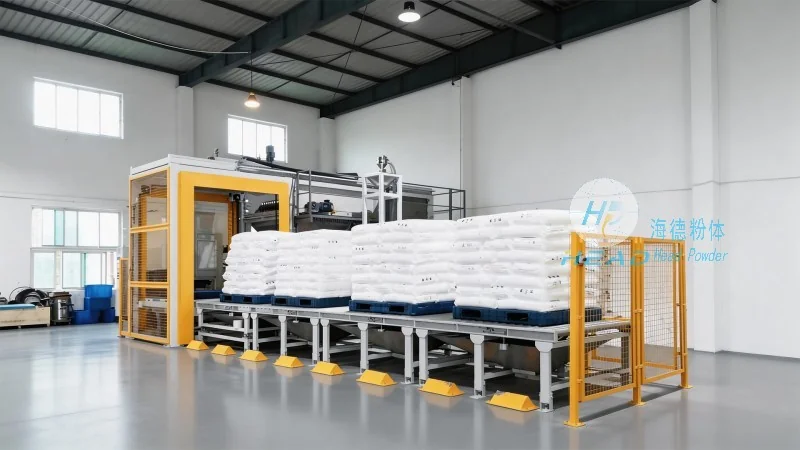
Key Features and Advantages of the Conveying Lines
HeadPowder's dicalcium phosphate material conveying lines are equipped with several key features that enhance their performance and reliability. One of the primary advantages is the use of high-quality materials for construction, such as stainless steel and corrosion-resistant alloys, which are essential for handling materials that may be prone to moisture or chemical reactions. The systems also incorporate advanced control systems, including PLC (Programmable Logic Controller) integration, allowing for automated operation and real-time monitoring of the conveying process. This automation reduces the need for manual intervention, improving operational efficiency and reducing labor costs. Another important feature is the modular design of the conveying lines, which allows for easy installation, maintenance, and expansion. This modularity is particularly beneficial for industrial facilities that may need to scale their operations or adapt to changing production requirements. Furthermore, the conveying lines are designed with energy-saving mechanisms, such as variable frequency drives, which adjust the motor speed based on the material load, reducing energy consumption and operating costs. These features collectively contribute to the overall effectiveness and cost-efficiency of the material conveying lines, making them a preferred choice for industrial applications.
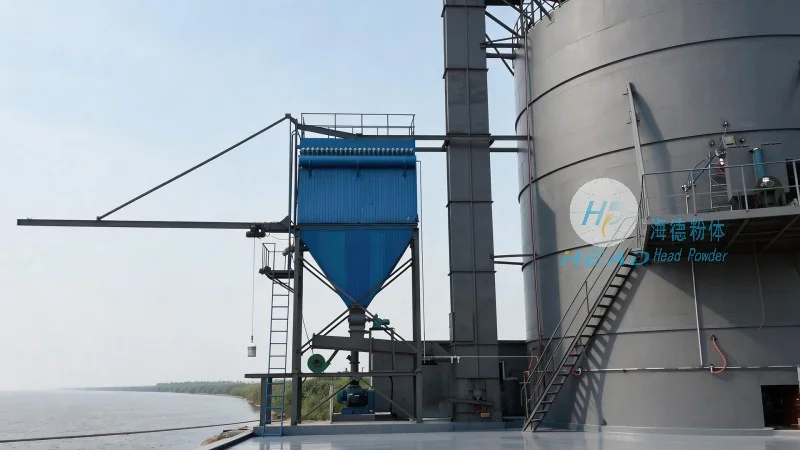
Application Examples and Case Studies
The effectiveness of dicalcium phosphate material conveying lines is demonstrated through various real-world applications across different industries. In the animal feed industry, for instance, a feed mill in China utilized a HeadPowder conveying line to transport DCP from a storage silo to a mixing plant. The system was designed to handle a throughput of 50 tons per hour, with a conveyor length of 100 meters. The result was a significant reduction in material handling time and labor costs, as well as improved product consistency due to the consistent flow of DCP. In the fertilizer industry, a large-scale fertilizer plant in Shandong implemented a conveying line to transport DCP as part of the blending process. The system was equipped with level sensors and control mechanisms to ensure precise material flow, which helped maintain the quality of the final fertilizer product. These case studies highlight the practical benefits of using specialized conveying lines for dicalcium phosphate, including increased efficiency, reduced operational costs, and improved product quality. The success of these applications underscores the reliability and effectiveness of HeadPowder's material conveying solutions.