

Operation Process and Working Principle of Silage Material Pneumatic Conveying System Equipment
Silage material pneumatic conveying system equipment is a specialized device engineered for the efficient and safe transportation of silage, a fermented forage used in livestock feeding. This system leverages air pressure as the primary medium to move silage from storage silos or processing facilities to feeding areas. As a critical component in modern agricultural operations, the equipment ensures minimal contamination and loss of material while preserving its nutritional value. It enhances operational efficiency and reduces labor costs for farmers and agricultural enterprises, making it indispensable in feed management systems.
Working Principle of the Pneumatic Conveying System
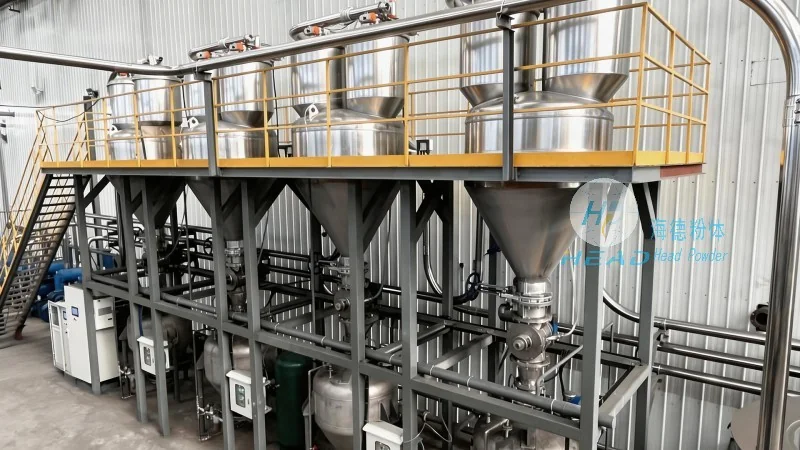
The core working principle of the silage material pneumatic conveying system revolves around the use of air as a conveying medium. The system typically comprises a storage silo or hopper, a blower or air compressor, a pipeline network, and a receiving hopper or feeding station. The process initiates when the blower generates high-pressure airflow. This air is introduced into the pipeline, creating a flow that draws silage from the storage container through an inlet. The silage, often in a loose or semi-liquid state, is carried along the pipeline by the air stream. The system may employ positive pressure or negative pressure methods, depending on application needs and material characteristics. Positive pressure systems force air and material through the pipeline, while negative pressure systems create a vacuum to draw material into the pipeline. Selection depends on factors like conveying distance, material volume, and silage physical properties.
Key Components and Their Functions
Several critical components collaborate to ensure smooth operation of the silage material pneumatic conveying system. The storage silo or hopper holds silage before conveyance, designed to maintain quality by preventing air exposure and contamination. The blower or air compressor is the system's heart, providing necessary air pressure—either centrifugal or positive displacement, based on requirements. The pipeline network connects storage to the feeding point, constructed from durable materials like stainless steel or PVC to withstand abrasion and moisture. It includes bends, elbows, and straight sections with fittings to optimize air flow. The receiving hopper or feeding station deposits silage post-conveyance, often equipped with a screw conveyor or gate valve to control discharge. A filter or separator may also be included to remove debris from the air stream, ensuring silage remains clean.
Operation Process of the System
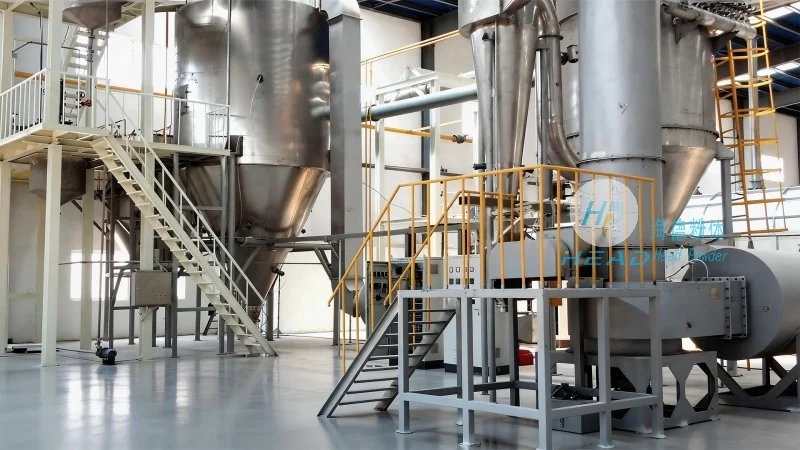
The operation process involves sequential steps: first, silage is loaded into the storage silo. The system is then activated by the blower, which builds air pressure. As pressure increases, silage is drawn from the storage container through the inlet and into the pipeline. The air stream carries silage along the pipeline to the receiving hopper or feeding station. Air speed and pressure are controlled to ensure efficient movement without equipment wear or material damage. Once silage reaches the hopper, it is discharged into the feeding system (e.g., mixer or trough). The process is automated, with sensors and controls monitoring flow rate and pressure for optimal performance. Continuous operation provides a steady feed to livestock, reducing downtime and ensuring consistent supply.
Advantages and Benefits of the System
The silage material pneumatic conveying system offers advantages over traditional methods (manual/mechanical conveying). Primary benefits include reduced labor costs, as the system automates the entire process, freeing time for other tasks. It also improves silage hygiene and quality by minimizing air and contaminant exposure, reducing spoilage risk and preserving nutritional value. The system enhances worker safety by eliminating manual handling of heavy/bulky loads. Additionally, it efficiently handles large volumes, suitable for large-scale operations. Flexibility allows adaptation to farm sizes and layouts, integrating with existing infrastructure. Air-based conveying reduces the need for trucks or loaders, further lowering operational costs.
Applications and Industries
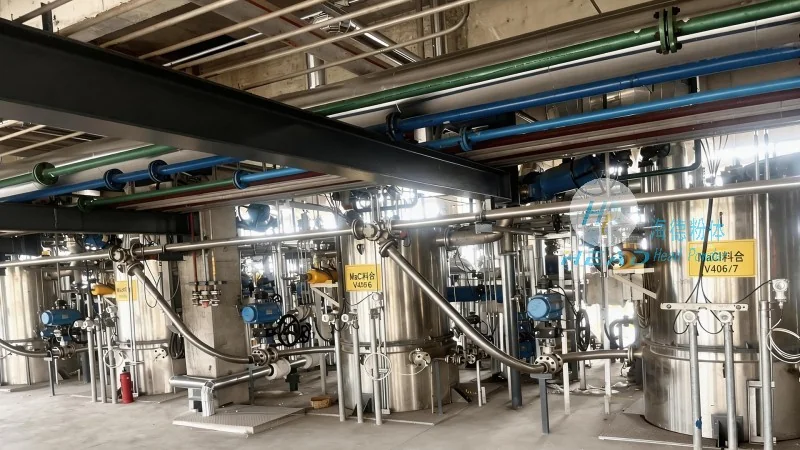
Silage material pneumatic conveying systems are widely used across agricultural and livestock industries. Primary applications are in dairy farms, where large silage volumes feed cattle. It is also used in beef, pig, and poultry operations, with silage as a key feed component. Feed manufacturing facilities utilize the system to process and mix silage with other ingredients. Additionally, it serves research settings requiring precise feed control. The system’s versatility suits small family farms to large commercial operations, supporting diverse agricultural needs.
Conclusion
Silage material pneumatic conveying system equipment is vital in modern agriculture, providing an efficient method for transporting silage. Its working principle—air pressure and closed pipelines—ensures minimal contamination and material loss. Key components (storage silo, blower, pipeline, receiving hopper) work together to deliver consistent, high-quality feed to livestock. Advantages like reduced labor costs, improved hygiene, and efficiency make it an essential investment for agricultural enterprises. As demand for efficient feed management grows, the system will continue to support sustainable, productive farming practices, meeting the needs of the livestock industry worldwide.