The fully automatic feeding pneumatic conveying system is a sophisticated industrial solution designed to efficiently transport bulk materials from one location to another using air as the conveying medium. This system, developed by Shandong HeadPowder Engineering Co., Ltd., a leading manufacturer based in Shandong, China, integrates advanced automation and engineering principles to ensure reliable, safe, and efficient material handling operations. The system is engineered to handle a wide range of bulk materials, including powders, granules, and other particulate substances, making it suitable for various industries such as pharmaceuticals, food processing, chemicals, and more.
Core Components and Structural Design
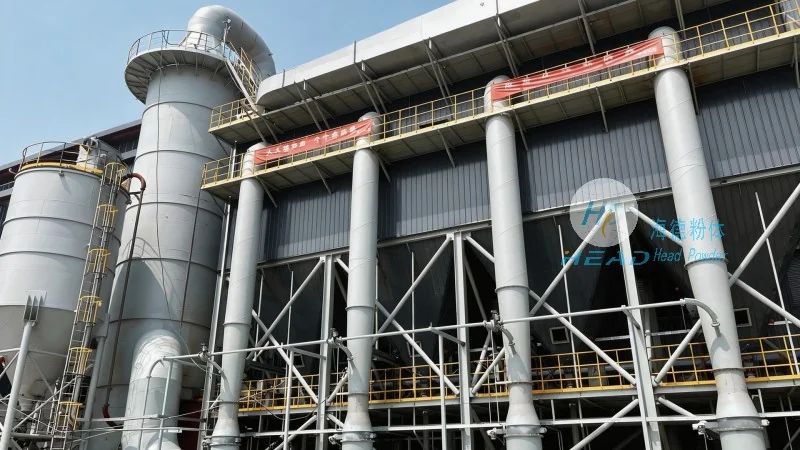
The system's structure is composed of several key components that work in tandem to achieve seamless material transport. The primary components include a feeding hopper, an air compressor or blower, a conveying pipeline, a control system, and a discharge unit. The feeding hopper is designed to store and meter the bulk material, ensuring a consistent flow into the system. The air compressor generates the necessary air pressure to move the material through the pipeline. The conveying pipeline, typically made of stainless steel or other corrosion-resistant materials, is designed to withstand the pressure and material characteristics. The control system, equipped with sensors and automation controls, monitors and regulates the entire process, ensuring optimal performance and safety. The discharge unit is responsible for delivering the material to the final destination, such as a storage silo or processing unit.
Working Principle of the Pneumatic Conveying Process
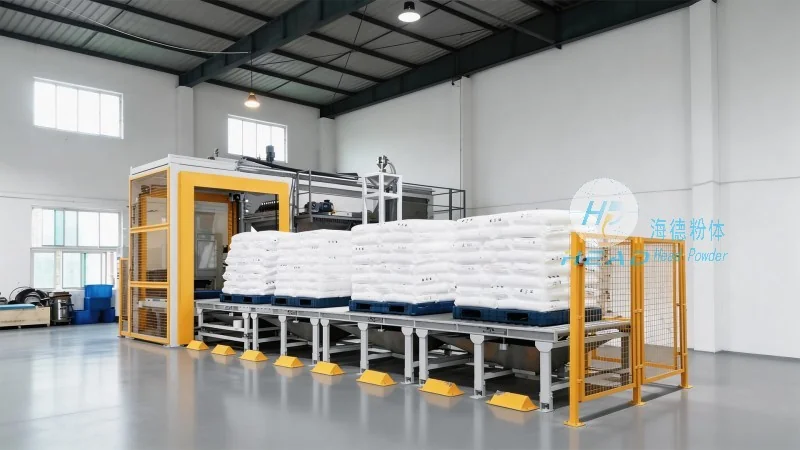
The operation of the fully automatic feeding pneumatic conveying system follows a systematic process. Initially, the bulk material is fed into the feeding hopper, where it is metered and prepared for transport. The air compressor then generates a high-pressure airflow, which is introduced into the conveying pipeline. As the air flows through the pipeline, it entrains the material particles, forming a slurry-like mixture known as a "pneumatic stream." This stream is propelled through the pipeline to the discharge point. The control system continuously monitors parameters such as pressure, flow rate, and material level, adjusting the air pressure and feeding rate as needed to maintain stable operation. The material is then discharged from the pipeline into the target container or processing equipment, completing the conveying cycle. The system's automation ensures that the entire process is carried out without manual intervention, enhancing efficiency and reducing the risk of human error.
Advantages and Applications
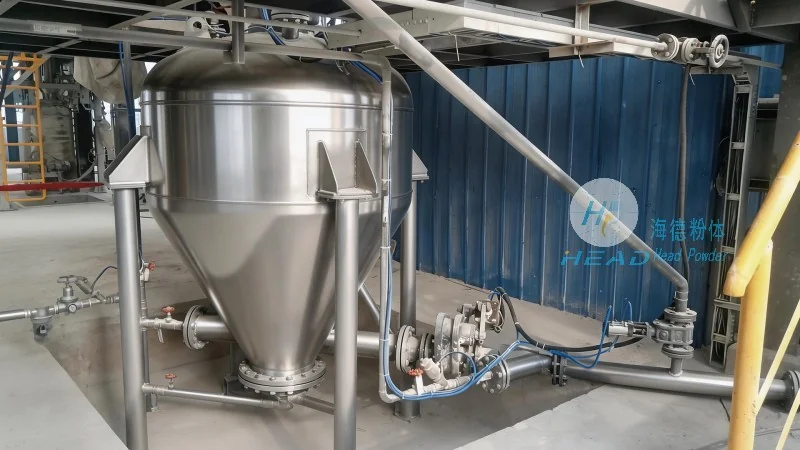
The fully automatic feeding pneumatic conveying system offers numerous advantages over traditional material handling methods. Its key benefits include high efficiency, as it can transport materials over long distances with minimal energy consumption. The system is also highly flexible, capable of handling various material types and particle sizes. Additionally, it provides a clean and hygienic operation, which is crucial for industries like food and pharmaceuticals where contamination control is paramount. The automation feature reduces labor costs and enhances safety by minimizing human exposure to hazardous materials. The system is widely used in industries such as chemical manufacturing, where it is used to transport powders and granules; in food processing, for handling ingredients like flour and sugar; and in pharmaceuticals, for transporting active pharmaceutical ingredients (APIs) and other powders. The system's design also allows for easy integration with existing production lines, making it a versatile solution for modern industrial applications.
Technical Specifications and Customization Options
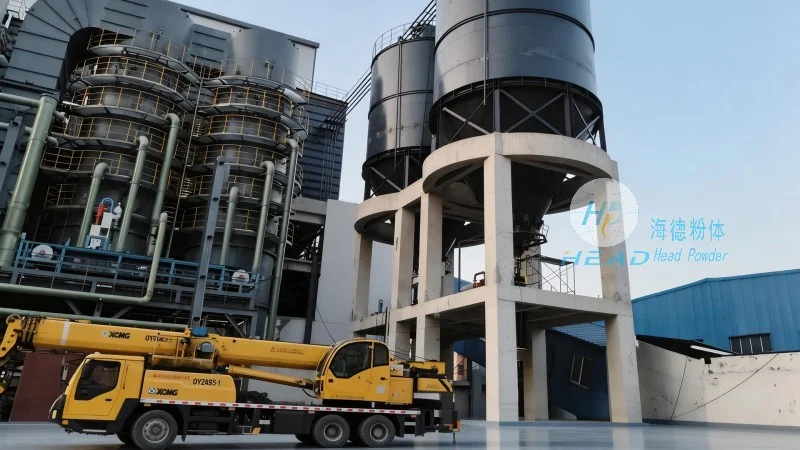
Shandong HeadPowder Engineering Co., Ltd. offers a range of technical specifications and customization options to meet the specific needs of different applications. The system can be configured with different air compressor types, such as rotary lobe or centrifugal blowers, depending on the material characteristics and conveying distance. The conveying pipeline can be customized in terms of diameter, length, and material, ensuring compatibility with the specific requirements. The control system can be equipped with advanced features like real-time monitoring, data logging, and remote control capabilities, enhancing operational management. The feeding hopper and discharge unit can also be customized to handle different material volumes and discharge requirements. The company's engineering team works closely with clients to understand their specific needs and provide tailored solutions, ensuring optimal performance and reliability.




