Gas-pneumatic conveying systems are essential equipment in industrial processes for handling and transporting bulk materials, particularly dust and fine powders. These systems utilize air or gas as the medium to transport particles from one location to another, offering a flexible and efficient solution for material handling applications. The core of such systems lies in their ability to combine the movement of material with the flow of air, enabling the transportation of materials over long distances with minimal maintenance and operational complexity.
Key Components and Structure of a Typical System
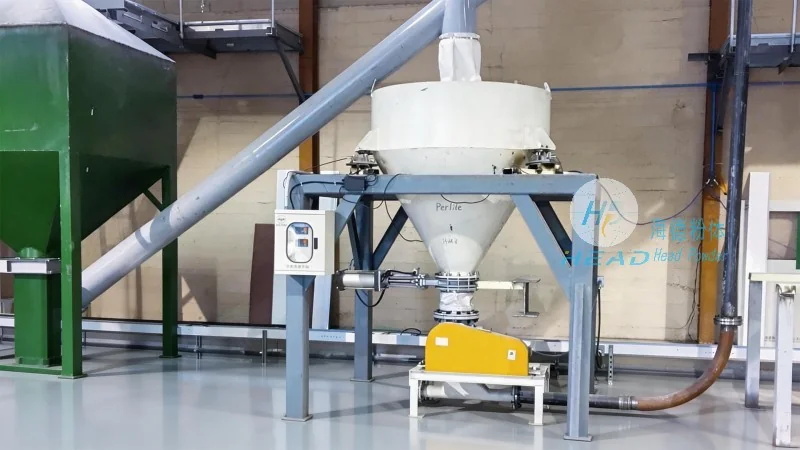
A standard dust gas-pneumatic conveying system comprises several critical components that work in concert to achieve efficient material transport. The primary components include the material feed hopper, the conveying pipeline, the air supply unit (usually a blower or compressor), and the discharge hopper. The feed hopper is designed to store and meter the material, ensuring a consistent flow into the system. The pipeline, often made of stainless steel or other corrosion-resistant materials, is responsible for transporting the material and air mixture. The air supply unit generates the necessary pressure and airflow to move the particles through the pipeline. Finally, the discharge hopper collects the material at the destination point, allowing for controlled release.
Working Principle of the Conveying Process
The operation of a dust gas-pneumatic conveying system is based on the principle of fluidization and suspension of particles in a gas stream. When air is introduced into the material in the feed hopper, it creates a fluidized bed, where the particles are suspended and moved along with the air flow. The velocity of the air in the pipeline must be sufficient to keep the particles suspended and prevent them from settling or clogging the system. The system typically operates under positive pressure, where the air pressure is higher than the ambient pressure, ensuring that the material is continuously pushed forward through the pipeline. The discharge hopper may include a valve or other control mechanism to regulate the release of the material, preventing backflow and maintaining system efficiency.
Advantages of Using Gas-Pneumatic Conveying for Dust Handling
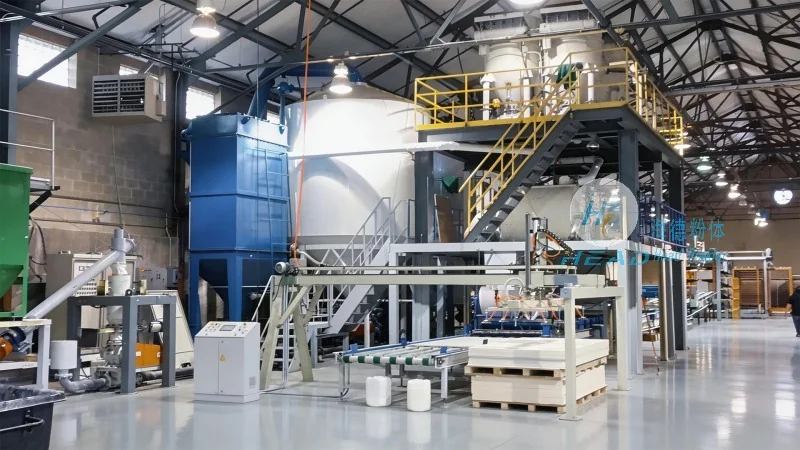
Compared to traditional mechanical conveying methods, gas-pneumatic conveying offers several advantages for handling dust and fine powders. One of the key benefits is the ability to transport materials over long distances without the need for multiple transfer points or intermediate storage. This reduces the overall system complexity and cost. Additionally, the system is less prone to material degradation or contamination, as the material is enclosed within the pipeline and is not exposed to external elements. The flexibility of the system allows for easy integration with existing industrial processes, and the modular design enables customization to meet specific application requirements. Furthermore, the operation of gas-pneumatic conveying systems is relatively low-maintenance, with fewer moving parts compared to mechanical conveyors, leading to lower operational costs and increased reliability.
Application Examples in Industrial Settings
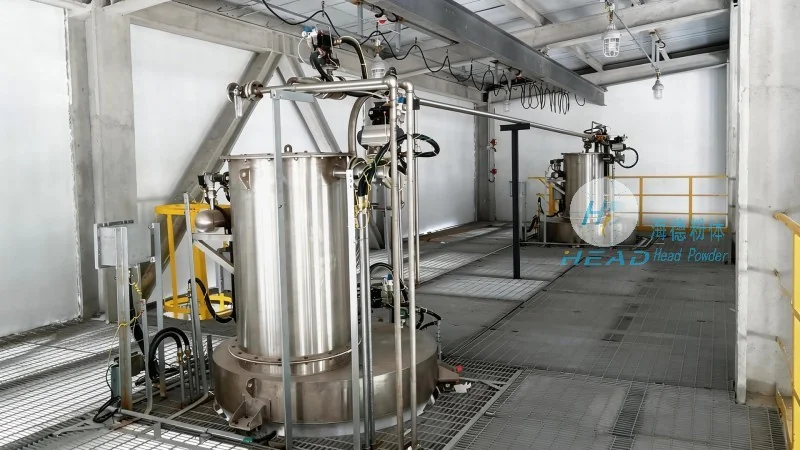
Dust gas-pneumatic conveying systems are widely used in various industrial sectors, including chemical manufacturing, pharmaceuticals, food processing, and mining. In chemical plants, these systems are used to transport powders such as catalysts, pigments, and raw materials between processing units. In pharmaceutical facilities, the systems ensure the safe and hygienic transport of powders, maintaining compliance with regulatory standards. Food processing industries utilize gas-pneumatic conveyors to handle powders like flour, sugar, and spices, ensuring that the material remains clean and free from contamination. Mining operations employ these systems to transport fine ore particles from processing plants to storage facilities, optimizing material handling efficiency.
Customization and Integration Capabilities
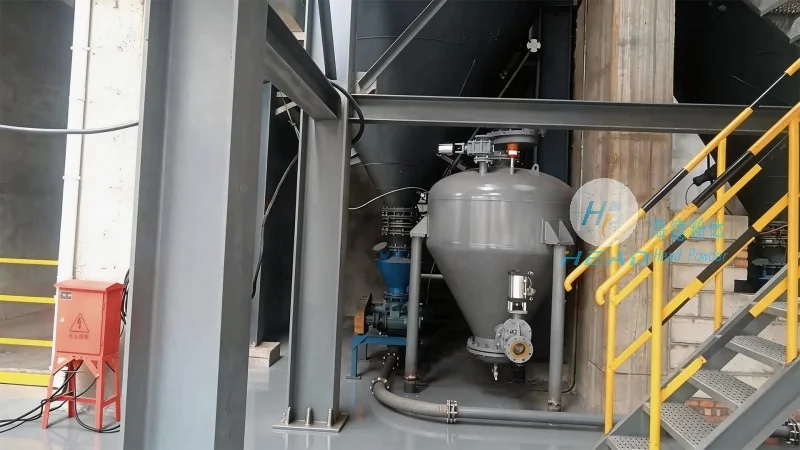
Shandong HeadPowder Engineering Co., Ltd. specializes in designing and manufacturing customized gas-pneumatic conveying systems tailored to the specific needs of clients. The company, operating under the brand name headpowder, leverages advanced engineering and manufacturing capabilities to develop solutions that meet the unique requirements of various industrial applications. The customization process involves detailed analysis of the material properties, such as particle size, density, and moisture content, as well as the operational parameters like distance, flow rate, and pressure. By considering these factors, headpowder engineers can design systems that ensure optimal performance, reliability, and efficiency. The company also provides integration services, ensuring that the conveying system can be seamlessly incorporated into existing production lines without disrupting operations. This approach allows clients to enhance their material handling capabilities while maintaining productivity and compliance with industry standards.
Maintenance and Operational Considerations
Proper maintenance is crucial to ensure the long-term performance and reliability of dust gas-pneumatic conveying systems. Regular inspections of the pipeline and components are necessary to detect any signs of wear, corrosion, or blockages. The air supply unit should be checked for proper operation and maintenance, including filter replacement and lubrication of moving parts. The feed and discharge hoppers should be cleaned periodically to prevent material buildup and ensure smooth operation. Additionally, monitoring the system's pressure and flow rates can help identify any issues early, allowing for timely maintenance and preventing system downtime. By following these maintenance practices, clients can maximize the lifespan of their conveying systems and minimize operational costs.




