PE granule pneumatic conveying systems represent a sophisticated solution for the efficient and reliable transport of polyethylene granules in industrial settings. As a leading provider in the field, Shandong HeadPowder Engineering Co., Ltd. specializes in designing, manufacturing, and implementing these systems, ensuring optimal performance and durability for various applications.
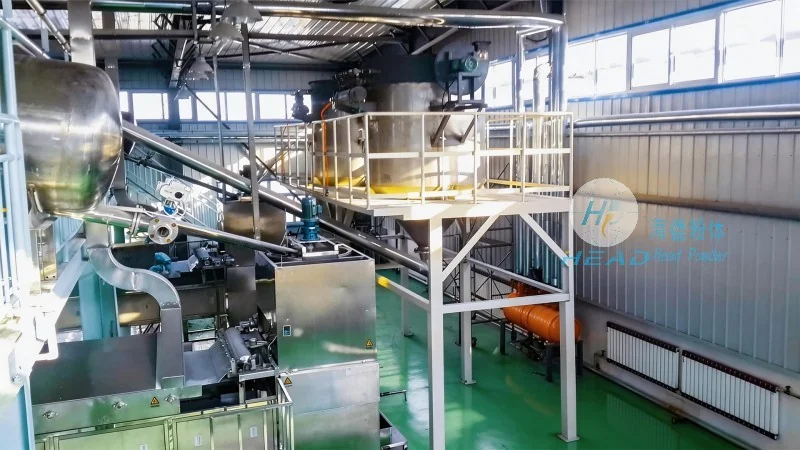
Key Components and Structure of PE Granule Pneumatic Conveying Systems
The core structure of a PE granule pneumatic conveying system typically includes several critical components that work in tandem to facilitate material transport. The system generally comprises a hopper for material storage, a feeder to control the flow rate, a conveying line (often equipped with pressure vessels or vacuum units), and a receiver for the discharged material. Each component is engineered to handle the specific characteristics of PE granules, such as their size, density, and flowability, ensuring smooth operation and minimal degradation of the material.
At the heart of the system is the conveying line, which may be designed as either a positive pressure or negative pressure system. Positive pressure systems use a blower or compressor to generate air pressure that pushes the granules through the line, while negative pressure systems employ a vacuum pump to draw the material into the line. The choice between these systems depends on factors like the distance of transport, the volume of material, and the need for dust control. In PE granule applications, positive pressure systems are often preferred due to their ability to handle higher material loads and maintain consistent pressure throughout the conveying process.
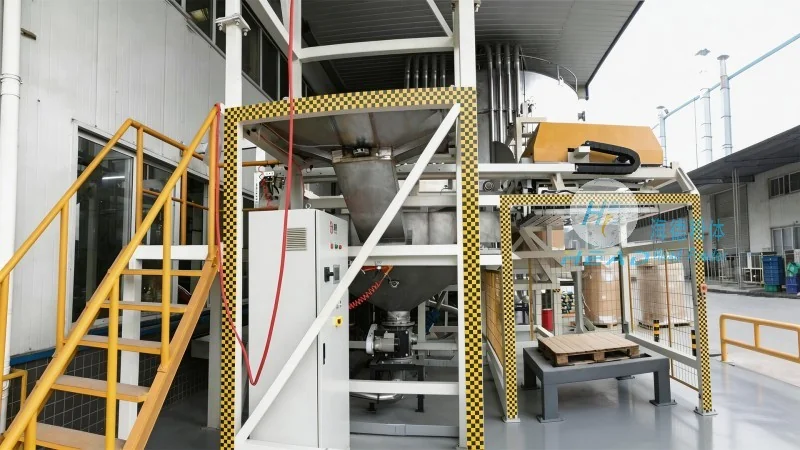
Operating Principles and Functional Mechanisms
The operation of a PE granule pneumatic conveying system is based on the principles of fluidization and pneumatic transport. When air is introduced into the conveying line at a controlled velocity, it creates a fluidized state where the PE granules are suspended and transported along with the air stream. The velocity of the air must be sufficient to overcome the gravitational forces acting on the granules and any frictional resistance within the system. This velocity is typically determined through calculations based on the material's properties, such as particle size, density, and the desired conveying distance.
During the conveying process, the PE granules are mixed with the air in the conveying line, forming a dense phase or dilute phase flow. Dense phase conveying, where the material is transported in a slurry-like state, is often used for longer distances or when the material is prone to degradation, as it reduces the impact forces on the particles. Dilute phase conveying, on the other hand, is suitable for shorter distances and lighter loads, as it requires lower air velocities and less energy. The system's design allows for the adjustment of these parameters to optimize performance based on the specific requirements of the application.
Advantages and Applications of PE Granule Pneumatic Conveying Systems
PE granule pneumatic conveying systems offer numerous advantages over traditional mechanical conveying methods, making them ideal for a wide range of industrial applications. One of the primary benefits is the ability to transport materials in a closed system, which helps to prevent dust contamination and environmental pollution. This is particularly important for PE granules, which can generate fine particles that are hazardous to health and the environment. Additionally, pneumatic conveying systems are highly flexible, allowing for changes in the conveying route or direction without the need for extensive modifications to the infrastructure.
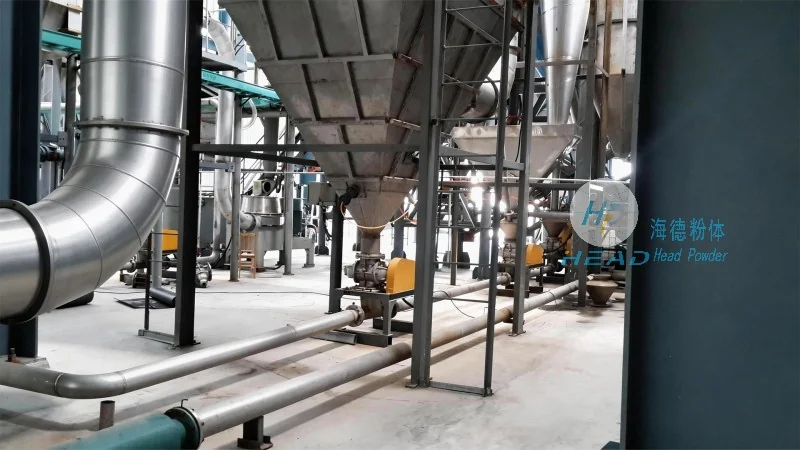
Another significant advantage is the reduced risk of material degradation. Unlike mechanical systems that may cause abrasion or friction, pneumatic conveying minimizes physical contact between the granules and the system components. This is crucial for PE granules, which are sensitive to heat and mechanical stress, as it helps to maintain their quality and performance. The systems also provide better control over the material flow, enabling precise dosing and feeding, which is essential for processes such as compounding, blending, and packaging.
Shandong HeadPowder Engineering Co., Ltd. has successfully implemented PE granule pneumatic conveying systems in various industries, including plastic manufacturing, chemical processing, and food processing. These systems are used to transport PE granules from storage silos to processing lines, from production areas to packaging stations, and between different production facilities. The company's expertise in system design and integration ensures that each installation is tailored to meet the unique needs of the client, resulting in efficient, reliable, and cost-effective material handling solutions.
Customization and Maintenance Considerations
Due to the diverse nature of PE granule applications, Shandong HeadPowder Engineering Co., Ltd. offers customized solutions to address specific challenges and requirements. The company works closely with clients to understand their operational needs, material characteristics, and environmental constraints, then designs a system that maximizes efficiency and minimizes downtime. Customization may include adjustments to the conveying line diameter, the type of air compressor or vacuum pump, the material of construction (e.g., stainless steel or special alloys for corrosive environments), and the control systems used for operation.
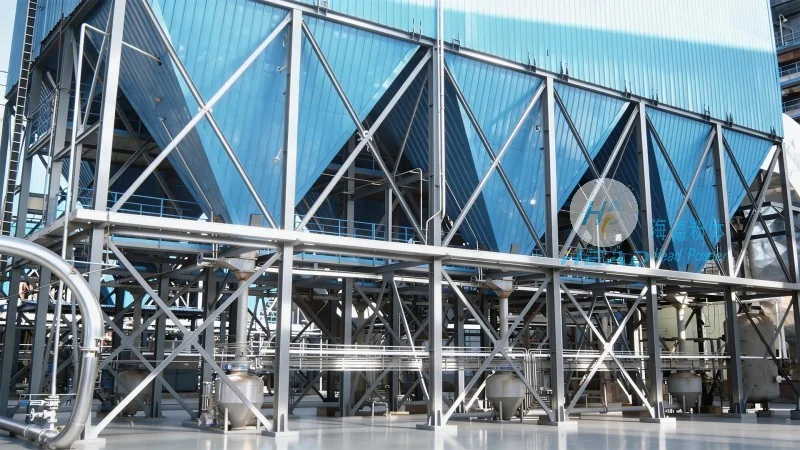
Maintenance is a critical aspect of ensuring the long-term performance of PE granule pneumatic conveying systems. Regular inspections and maintenance procedures are essential to prevent issues such as clogging, air leaks, or component wear. The company provides comprehensive maintenance services, including routine checks, component replacement, and system cleaning, to keep the equipment in optimal condition. Proper maintenance not only extends the lifespan of the system but also ensures consistent performance and reduces the risk of unexpected breakdowns.
Conclusion and Contact Information
PE granule pneumatic conveying systems are a vital component in modern industrial operations, offering efficient, reliable, and flexible material transport solutions. Shandong HeadPowder Engineering Co., Ltd. stands as a trusted partner in the design and implementation of these systems, leveraging its expertise and commitment to quality to deliver solutions that meet the evolving needs of the industry. For more information about PE granule pneumatic conveying systems or to discuss your specific material handling requirements, please contact us at our headquarters in Shandong, China.




