HeadPowder, a leading engineering firm based in Shandong, China, specializes in the design and implementation of advanced material handling solutions. Among its portfolio is the phosphate iron pneumatic conveying system, a technology that efficiently transports phosphate iron, a critical component in various industrial applications. This article provides a comprehensive overview of the system's structure and working principle, highlighting its key components and operational mechanics.
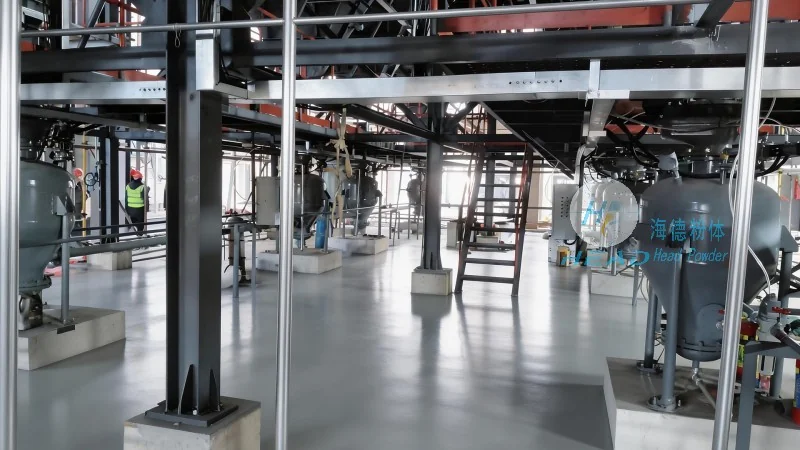
Key Components of the Phosphate Iron Pneumatic Conveying System
The phosphate iron pneumatic conveying system is composed of several essential components that work in tandem to ensure efficient material transport. The primary components include the material hopper, which serves as the storage and feeding unit for phosphate iron. This hopper is equipped with a feeder mechanism, typically a rotary valve or a screw feeder, that regulates the flow of material into the system. The feeder is crucial for maintaining a consistent feed rate, preventing blockages, and ensuring smooth operation.
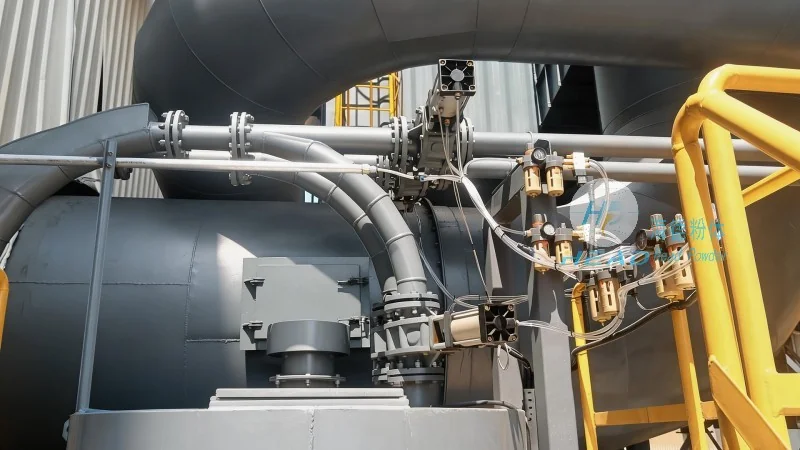
Next, the conveying line itself, which can be either a positive or negative pressure system, depending on the specific application requirements. Positive pressure systems use a blower or compressor to push the material through the pipeline, while negative pressure systems use a vacuum to draw the material. For phosphate iron, which is often abrasive and has specific flow characteristics, a positive pressure system is commonly preferred due to its ability to handle higher material loads and maintain consistent flow rates.
The pipeline network connects the hopper to the discharge point, and it is typically made of materials such as stainless steel or special alloys to withstand the corrosive and abrasive nature of phosphate iron. The pipeline is designed with appropriate bends and elbows to accommodate the layout of the facility, ensuring minimal pressure loss and efficient material transport. Additionally, the system includes a filter and separator unit at the discharge end to remove any entrained air or fine particles from the conveyed material, maintaining product quality and preventing system blockages.
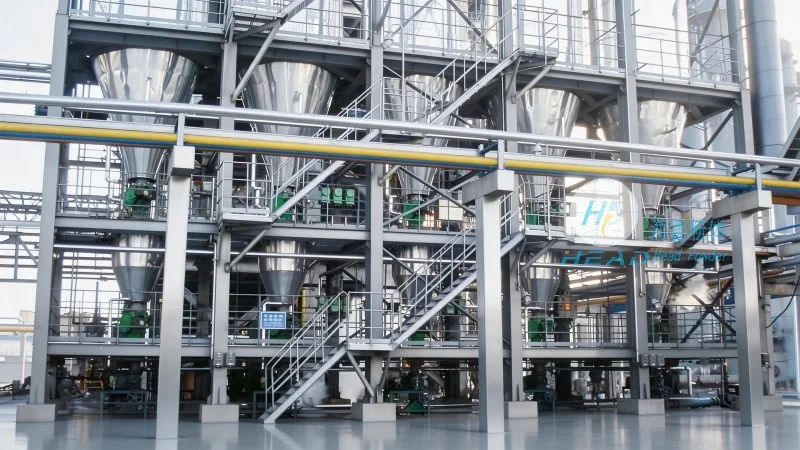
Working Principle of the Phosphate Iron Pneumatic Conveying System
The operation of the phosphate iron pneumatic conveying system follows a systematic process that begins with material loading into the hopper. The feeder mechanism then controls the discharge of phosphate iron into the conveying line, where it is mixed with air or a carrier gas. The air, under pressure from the blower or compressor, propels the material through the pipeline to the discharge point. The velocity of the air is carefully controlled to ensure that the material is transported without excessive wear on the pipeline or components.
As the material travels through the pipeline, it experiences various forces, including drag and lift, which help maintain its suspension in the air stream. The system's design, including the size of the pipeline and the air velocity, is optimized to achieve the desired conveying capacity and efficiency. At the discharge point, the material is separated from the air using a separator, which may involve a cyclone or a bag filter, depending on the system configuration. The separated material is then collected in a receiving hopper or container, ready for further processing or use.
Advantages of the Phosphate Iron Pneumatic Conveying System
The phosphate iron pneumatic conveying system offers several advantages over traditional mechanical conveying methods. One of the primary benefits is its ability to handle abrasive and corrosive materials like phosphate iron without significant wear or damage to the system components. The enclosed pipeline design also prevents dust emissions, improving workplace safety and compliance with environmental regulations. Additionally, the system can be easily integrated into existing production lines, allowing for flexible and scalable material handling solutions.
Another advantage is the system's efficiency in terms of energy consumption and operational costs. By using air as the conveying medium, the system minimizes the need for mechanical components such as belts or buckets, reducing maintenance requirements and operational expenses. The consistent flow rate and low pressure loss also contribute to energy savings and improved overall system performance.
Applications and Considerations
The phosphate iron pneumatic conveying system is widely used in various industries, including chemical manufacturing, mining, and food processing. Its ability to handle fine powders and abrasive materials makes it suitable for applications such as the transport of phosphate iron in fertilizer production or the handling of similar materials in industrial processes. When implementing such a system, several considerations must be taken into account, including the material's properties, the required conveying distance and capacity, and the environmental regulations in the operating region.
HeadPowder, with its expertise in engineering and material handling, provides comprehensive solutions for the installation and maintenance of phosphate iron pneumatic conveying systems. The company's team of experienced engineers designs customized systems that meet the specific needs of each client, ensuring optimal performance and reliability. By leveraging advanced technology and rigorous testing, HeadPowder ensures that its systems are efficient, durable, and compliant with industry standards.




