HeadPowder, a leading engineering firm based in Shandong, China, specializes in the design and implementation of advanced pneumatic conveying systems for the transportation of bulk materials such as sand, gravel, and other granular substances. This article provides an overview of the sand and gravel pneumatic conveying system, detailing its structural components and operational principles to help clients understand the technology's capabilities and benefits.
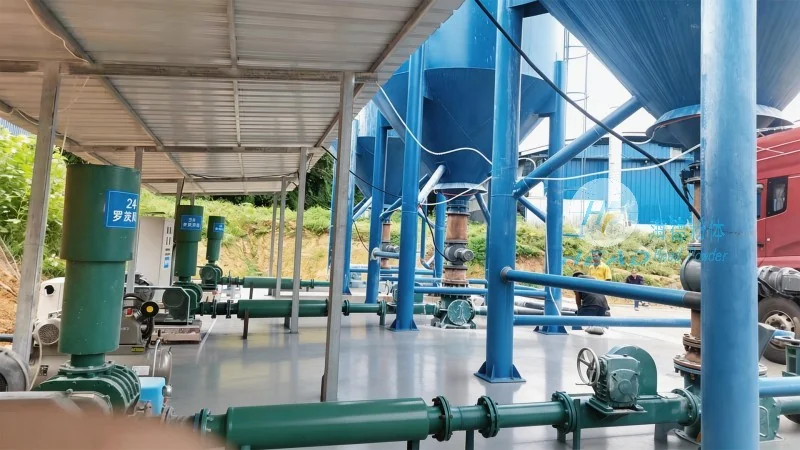
Company Overview and Expertise
Shandong HeadPowder Engineering Co., Ltd. is a reputable company in the field of bulk material handling solutions. With a focus on innovation and precision engineering, HeadPowder has established itself as a trusted provider of pneumatic conveying systems tailored to the needs of various industries, including construction, mining, and manufacturing. The company's expertise lies in developing customized solutions that enhance efficiency, reduce operational costs, and ensure reliable material transport. HeadPowder's team of engineers and technicians brings extensive experience in designing systems that meet stringent industry standards and client-specific requirements.
Introduction to Sand and Gravel Pneumatic Conveying Systems
A pneumatic conveying system is a method of transporting bulk materials through a pipeline using a stream of air or gas. In the case of sand and gravel, these systems are engineered to handle abrasive and heavy materials, making them ideal for applications where traditional conveyor belts or trucks may be less effective or more costly. The system operates by creating a pressure differential within the pipeline, which propels the material forward using air pressure. This technology offers several advantages over conventional transport methods, including the ability to transport materials over long distances, vertical and horizontal movement capabilities, and reduced exposure to dust and environmental contamination.
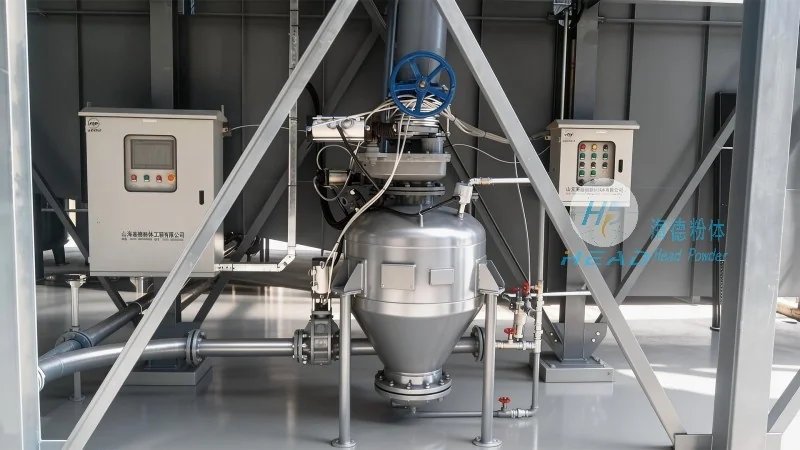
Key Structural Components of the System
The sand and gravel pneumatic conveying system consists of several critical components that work in tandem to ensure efficient material transport. The primary components include the material feed hopper, the air compressor or blower, the conveying pipeline, the control system, and the discharge hopper. The material feed hopper is responsible for storing and feeding the sand or gravel into the system, ensuring a consistent flow of material. The air compressor or blower generates the necessary air pressure to move the material through the pipeline. The conveying pipeline, typically made of durable materials such as stainless steel or high-density polyethylene, is designed to withstand the abrasive nature of the sand and gravel while maintaining air pressure integrity. The control system monitors and regulates the air pressure, flow rate, and material feed to maintain optimal operation. Finally, the discharge hopper collects the material at the end of the pipeline, allowing for easy unloading and processing.
Operational Principles and Working Mechanism
The operational principle of the sand and gravel pneumatic conveying system is based on the creation of a positive or negative pressure differential within the pipeline. In a positive pressure system, the air compressor forces air into the pipeline, pushing the material forward. The material is then carried by the air stream, with the air acting as a carrier medium. In a negative pressure system, the blower creates a vacuum that pulls the material into the pipeline. The material is then drawn along the pipeline by the air flow. The system's efficiency depends on factors such as the material's density, particle size, and moisture content, as well as the air pressure and flow rate. Proper design and maintenance of the system are crucial to ensure consistent performance and minimize downtime.
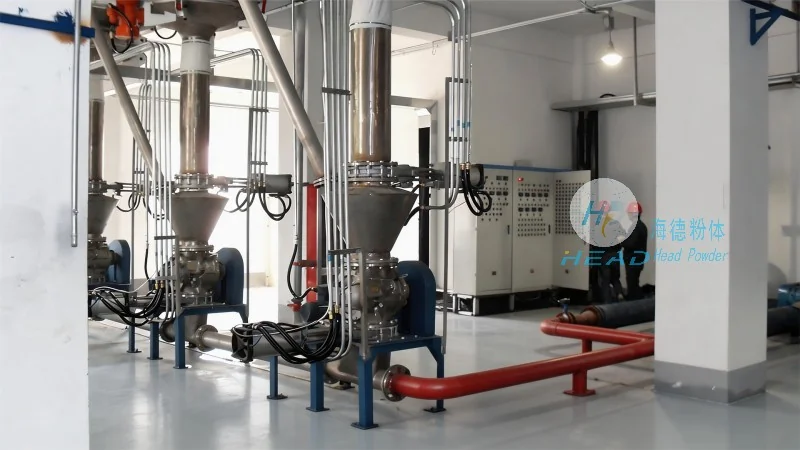
Advantages and Applications of the System
The sand and gravel pneumatic conveying system offers numerous advantages over traditional transport methods. These include reduced labor costs, as the system can operate continuously without the need for manual handling. It also minimizes material handling time and reduces the risk of material spillage or contamination. Additionally, the system can transport materials over long distances and through complex layouts, including vertical lifts and horizontal turns. The technology is widely used in the construction industry for transporting sand and gravel to job sites, in mining operations for moving ore and other materials, and in manufacturing plants for handling raw materials. The system's ability to handle abrasive materials makes it particularly suitable for applications where other conveying methods may wear out quickly or require frequent maintenance.
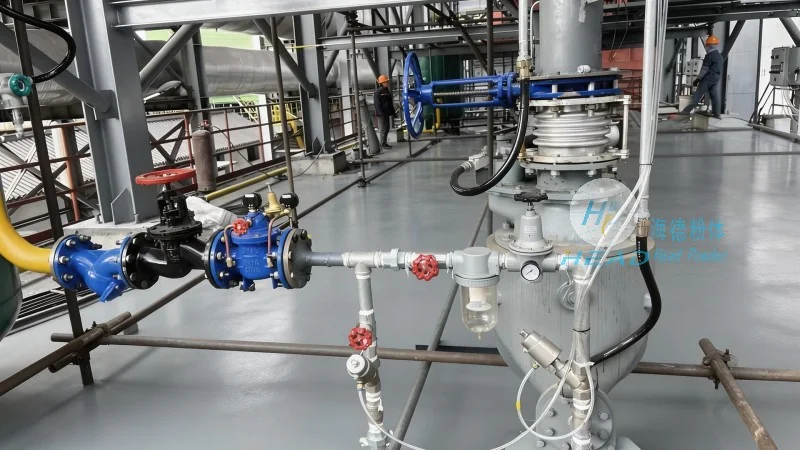
Customization and Integration with Existing Systems
HeadPowder recognizes that each client's needs are unique, and therefore, offers customized pneumatic conveying systems tailored to specific requirements. The company works closely with clients to understand their operational needs, material characteristics, and site constraints to design a system that maximizes efficiency and cost-effectiveness. The systems can be integrated with existing infrastructure, such as storage silos, processing equipment, and packaging lines, to create a seamless material handling workflow. HeadPowder's engineering team provides comprehensive support, from initial design and installation to ongoing maintenance and troubleshooting, ensuring that the system operates at peak performance throughout its lifecycle.
Conclusion
In conclusion, the sand and gravel pneumatic conveying system is a highly efficient and versatile technology for transporting bulk materials. With its ability to handle abrasive and heavy materials over long distances, the system offers significant advantages over traditional transport methods. HeadPowder's expertise in designing and implementing these systems ensures that clients receive reliable, cost-effective solutions that meet their specific needs. By leveraging advanced engineering and quality materials, HeadPowder provides systems that enhance operational efficiency, reduce costs, and improve overall productivity in various industries.




