Glass powder is a common material in various industrial applications, and efficient handling of this fine powder is crucial for maintaining production efficiency and product quality. Pneumatic conveying systems have emerged as a highly effective solution for transporting glass powder, offering advantages such as dust-free operation, reduced material degradation, and improved safety compared to traditional methods like manual handling or mechanical conveying. This article provides an overview of glass powder pneumatic conveying systems, focusing on their structural design and operational principles.
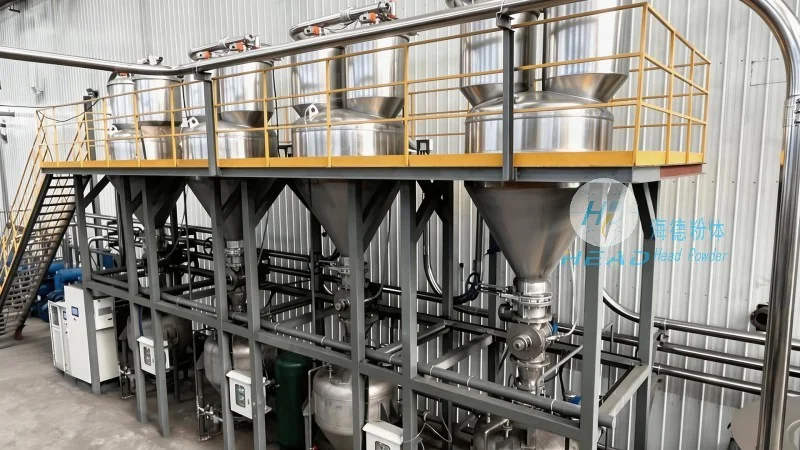
Overview of Glass Powder Pneumatic Conveying Systems
Glass powder pneumatic conveying systems are engineered to transport fine glass particles through a pipeline using compressed air or other gas as the conveying medium. These systems are widely used in industries such as glass manufacturing, pharmaceuticals, and food processing, where the handling of fine powders requires precision and minimal contamination. The core components of a typical glass powder pneumatic conveying system include a hopper for material storage, a feeder to control the flow rate, a conveying line, and a receiver for the discharged material. The system may also incorporate additional components like filters, cyclones, or vacuum pumps, depending on the specific application requirements.
Key Components and Their Functions
The performance and reliability of a glass powder pneumatic conveying system largely depend on the proper integration and functionality of its key components. The hopper, typically made of stainless steel or other corrosion-resistant materials, serves as the storage vessel for the glass powder. It is designed to prevent material bridging and ensure a consistent flow of powder into the feeder. The feeder, often a rotary valve or a screw feeder, regulates the amount of glass powder entering the conveying line, maintaining a stable flow rate that prevents clogging and ensures smooth operation. The conveying line, usually constructed from smooth, non-stick materials like PTFE or stainless steel, minimizes friction and reduces the risk of material buildup. The receiver, positioned at the end of the line, collects the conveyed glass powder and may include features like a dust collection system to maintain air quality and prevent contamination.
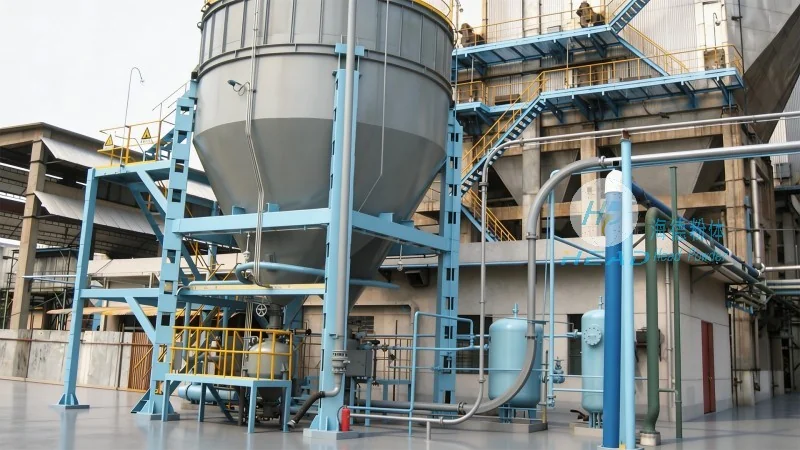
Working Principles of Pneumatic Conveying
The fundamental principle behind glass powder pneumatic conveying is the use of differential pressure to move the material through the system. In a pressure system, compressed air is introduced into the hopper, creating a positive pressure that forces the glass powder through the feeder and into the conveying line. The air and powder mixture travels through the pipeline, with the air providing the necessary kinetic energy to transport the fine particles. In a vacuum system, a vacuum pump creates a negative pressure at the receiver end, drawing the glass powder from the hopper through the line. Both systems rely on the balance between air velocity and particle size to ensure efficient transport, with the air velocity typically maintained above the minimum conveying velocity to prevent particle deposition.
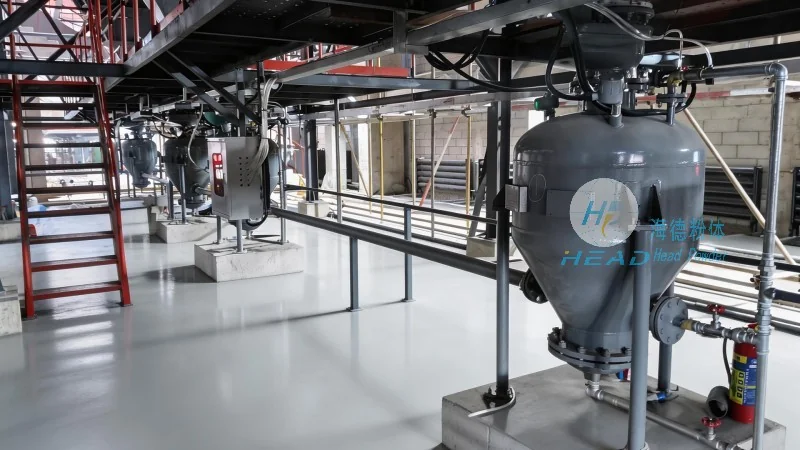
Advantages of Glass Powder Pneumatic Conveying
Compared to traditional conveying methods, glass powder pneumatic conveying offers several advantages that make it a preferred choice for many industries. One of the most significant benefits is the elimination of dust and contamination, as the material is enclosed within the pipeline. This not only improves product quality but also enhances workplace safety by reducing exposure to fine glass particles. Additionally, pneumatic conveying systems minimize material degradation, as the fine glass powder is not subjected to mechanical stress or abrasion during transport. The systems also offer flexibility in terms of layout, allowing for horizontal, vertical, or inclined transport, and can be easily integrated with existing production lines. Furthermore, the enclosed nature of the system reduces the risk of environmental pollution and facilitates compliance with environmental regulations.
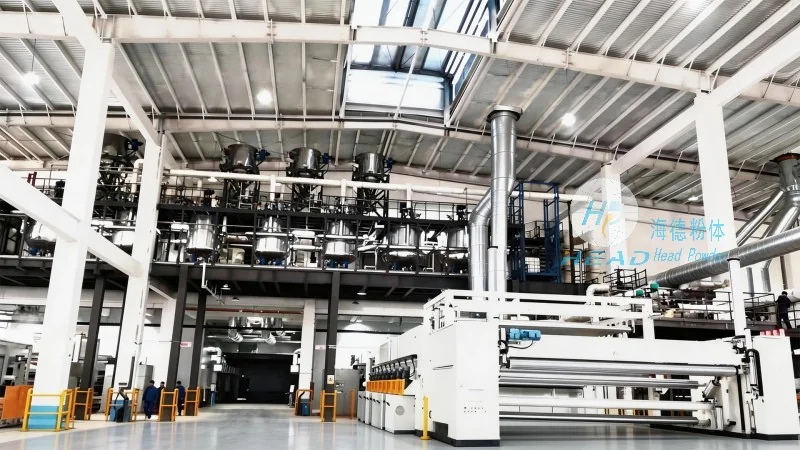
Applications and Considerations
Glass powder pneumatic conveying systems are applied in a wide range of industrial processes, including the production of glass products, the manufacturing of glass-based composites, and the handling of glass powders in research and development laboratories. When selecting a system, several factors must be considered, such as the particle size and density of the glass powder, the required conveying distance and flow rate, and the environmental regulations of the operating location. The choice between pressure and vacuum systems depends on the specific application, with pressure systems generally used for longer distances and higher flow rates, while vacuum systems are more suitable for shorter distances or when the material needs to be transported from a lower elevation to a higher one. Proper maintenance of the system, including regular cleaning of filters and checking for air leaks, is essential to ensure optimal performance and longevity.
About Shandong HeadPowder Engineering Co., Ltd.
Shandong HeadPowder Engineering Co., Ltd., operating under the brand name HeadPowder, is a leading manufacturer and supplier of pneumatic conveying systems and related equipment. With a focus on innovation and quality, the company has developed advanced solutions tailored to the unique needs of various industries. HeadPowder's expertise in material handling technology ensures that their systems are designed to meet the highest standards of efficiency, reliability, and safety. The company's products are manufactured using high-quality materials and advanced manufacturing processes, ensuring long service life and minimal maintenance requirements. HeadPowder serves clients across China and beyond, providing customized solutions that enhance production efficiency and product quality. The company's commitment to customer satisfaction and technological advancement has established it as a trusted partner in the field of material handling.




