Chlorinated polyethylene (CPE) is a versatile polymer widely used in various industrial applications due to its excellent chemical resistance, flexibility, and durability. Pneumatic conveying systems for CPE are critical in processing and transporting this material efficiently. This article provides an overview of the structure and working principles of CPE pneumatic conveying systems, highlighting the key components and operational mechanisms.
About the Manufacturer
HeadPowder, a leading manufacturer based in Shandong, China, specializes in the design and production of advanced pneumatic conveying solutions. With years of experience in the industry, HeadPowder Engineering Co., Ltd. has established itself as a trusted provider of high-quality CPE pneumatic conveying systems. The company’s commitment to innovation and customer satisfaction ensures that their products meet the stringent requirements of modern industrial processes.
Structural Overview of Chlorinated Polyethylene Pneumatic Conveying Systems
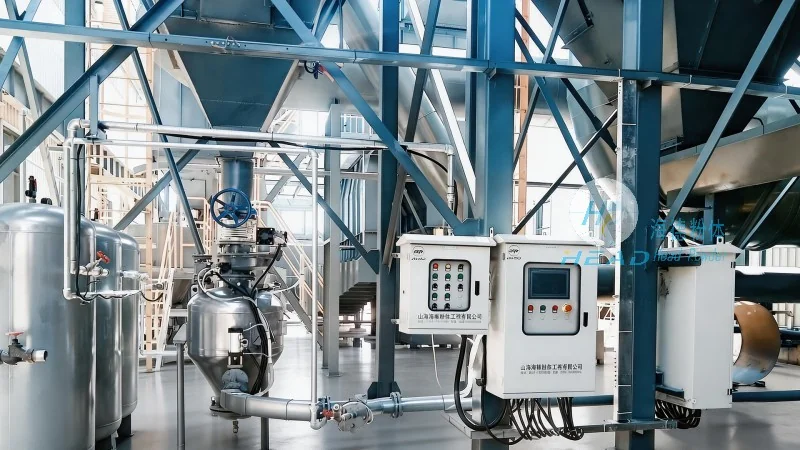
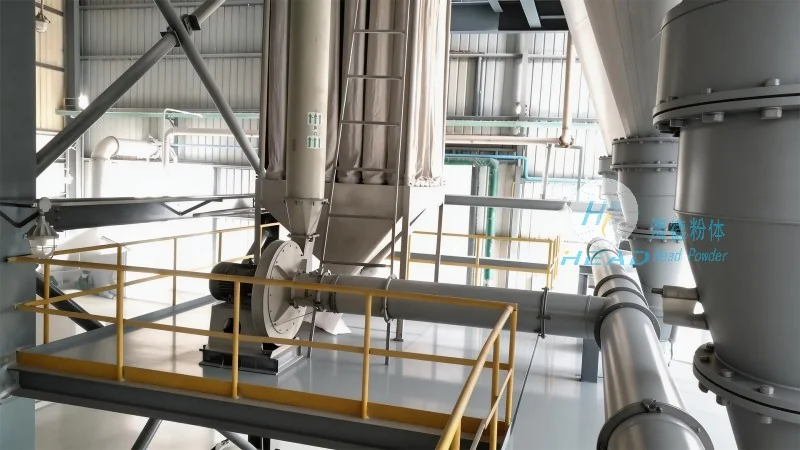
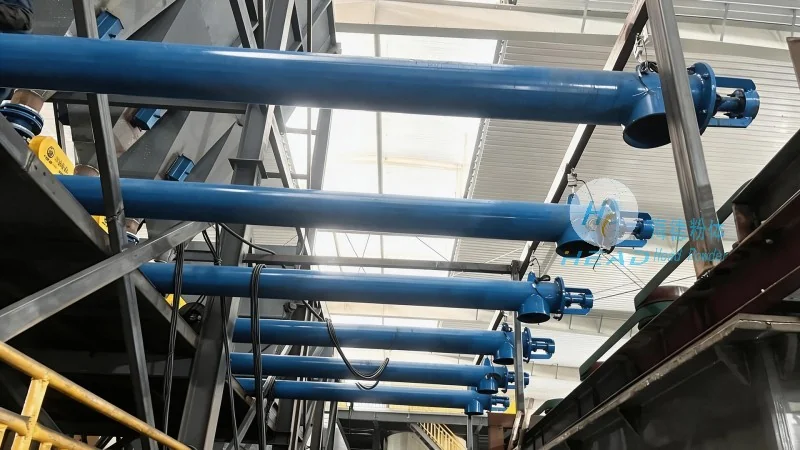
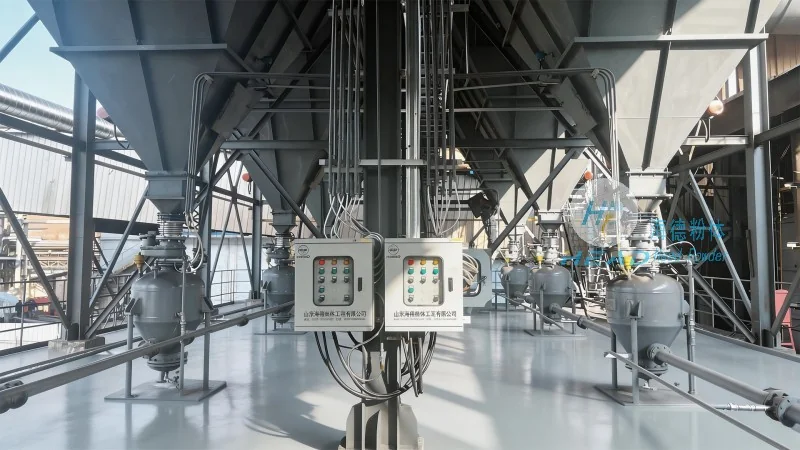
A typical CPE pneumatic conveying system consists of several essential components that work in tandem to transport the material. The primary components include a hopper for material storage, a rotary airlock or feeder to control the flow rate, a conveying pipeline, a dust collector or filter to capture fine particles, and a receiver or discharge unit. The system may also incorporate a blower or compressor to generate the necessary air pressure for material movement. The choice of materials for these components is crucial, as CPE is often handled in environments with varying temperatures and chemical exposure. High-quality materials, such as chlorinated polyethylene or specialized alloys, are used to ensure durability and resistance to wear and corrosion.
Working Principles of the System
The operation of a CPE pneumatic conveying system relies on the principle of air flow to move the material. The process begins with the material being fed from the hopper into the conveying pipeline. The rotary airlock or feeder regulates the material flow, ensuring a consistent rate of discharge. Simultaneously, the blower or compressor generates a high-pressure air stream that travels through the pipeline. As the air flows, it entrains the CPE particles, creating a slurry-like mixture known as a "pneumatic stream." This stream is then transported through the pipeline to the discharge point. At the receiving end, the air is separated from the material using a dust collector or filter, and the CPE is collected in the receiver. The separated air is then discharged back into the system or vented to the atmosphere, depending on the system design. The entire process is controlled by a system of valves, sensors, and controls to maintain optimal flow rates and pressure levels.
Key Features and Advantages
Chlorinated polyethylene pneumatic conveying systems offer several advantages over traditional mechanical conveying methods. These include reduced labor costs, as the system can operate automatically with minimal human intervention. The enclosed design minimizes dust emissions, improving workplace safety and compliance with environmental regulations. Additionally, the system can handle a wide range of particle sizes and shapes, making it suitable for various CPE applications. The flexibility of the system allows for easy integration with existing production lines, and the modular design enables scalability to accommodate changing production needs. The durability of the components, particularly those made from chlorinated polyethylene, ensures long-term performance and low maintenance costs.
Applications and Industries
CPE pneumatic conveying systems are widely used in industries such as plastic manufacturing, chemical processing, and food processing. In the plastic industry, these systems are used to transport CPE granules or powders from storage to processing equipment, such as extruders or mixers. In chemical processing, they are employed to handle CPE-based compounds in reactors or storage tanks. The food industry utilizes these systems for transporting CPE-coated products or additives, ensuring hygienic and efficient handling. The versatility of the system makes it suitable for a variety of applications where reliable and efficient material transport is essential.
Conclusion
Chlorinated polyethylene pneumatic conveying systems are a critical component in modern industrial processes, providing efficient and reliable transport of this versatile polymer. The structural design and working principles of these systems ensure optimal performance, durability, and safety. With the expertise of manufacturers like HeadPowder Engineering Co., Ltd., based in Shandong, China, industries can benefit from advanced pneumatic conveying solutions that meet their specific needs. The continued development of these systems will further enhance their efficiency and adaptability, supporting the growth of industries that rely on CPE and other polymeric materials.




