HeadPowder, a leading enterprise in the field of powder material handling technology, specializes in the design, manufacturing, and application of pneumatic conveying systems for powder electrolytes. With a focus on innovation and precision engineering, the company provides comprehensive solutions tailored to the unique challenges of transporting fine powders in industrial settings. This article offers an overview of the fundamental concepts, structural design, and operational principles behind pneumatic conveying systems used for powder electrolytes, highlighting the key components and their functional roles.
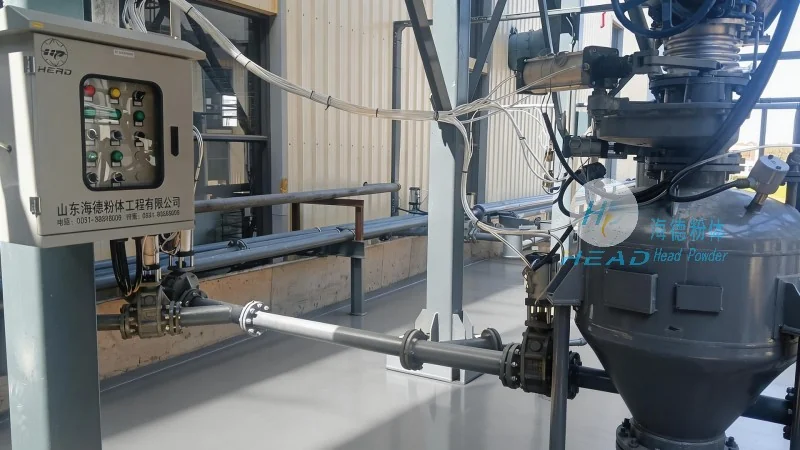
Company Overview: Shandong HeadPowder Engineering Co., Ltd.
HeadPowder, operating under the full name Shandong HeadPowder Engineering Co., Ltd., is headquartered in Shandong, China. The company has established itself as a trusted provider of advanced powder handling solutions, serving a diverse range of industries including battery manufacturing, chemical processing, and pharmaceuticals. With a commitment to quality and customer satisfaction, HeadPowder leverages years of experience to deliver reliable and efficient pneumatic conveying systems that meet the stringent requirements of modern industrial applications.
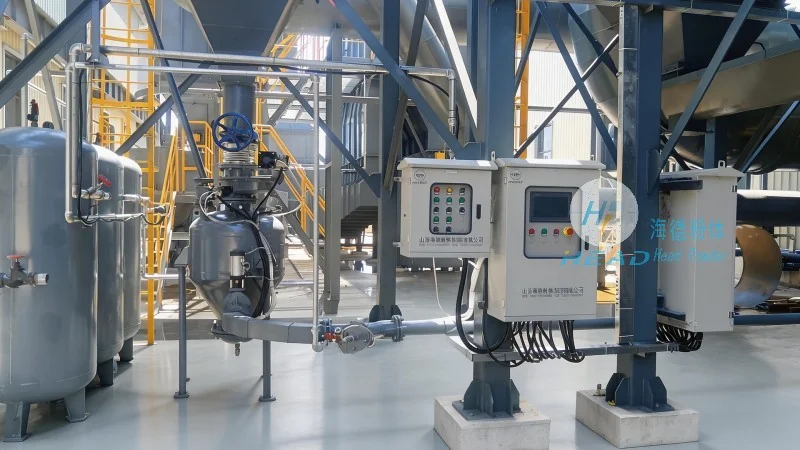
Pneumatic Conveying Systems for Powder Electrolytes: An Overview
Powder electrolytes, commonly used in lithium-ion batteries and other electrochemical systems, require specialized handling methods to ensure minimal degradation and consistent performance. Pneumatic conveying, a technology that uses pressurized air or gas to transport powders through a pipeline, offers a non-contact, low-damage solution for moving these sensitive materials. The system typically consists of a feeding mechanism, a conveying line, and a discharge unit, all working in tandem to achieve efficient material transport. Key advantages of pneumatic conveying for powder electrolytes include reduced product contamination, improved process control, and the ability to handle materials with high moisture content or abrasive properties.
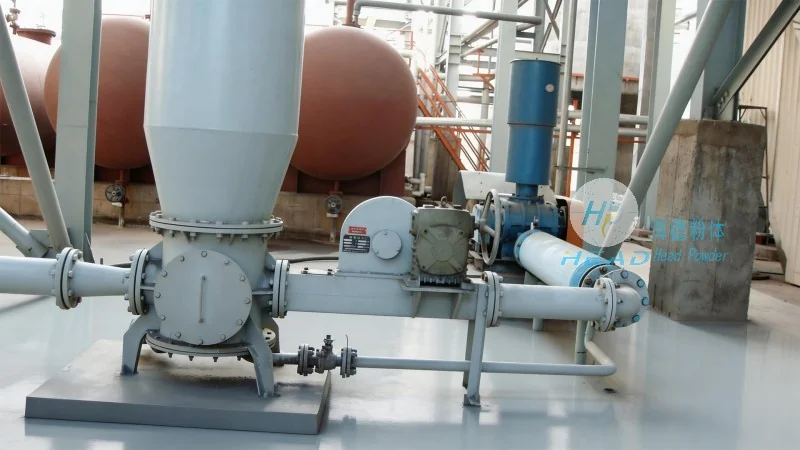
Structural Principles of Pneumatic Conveying Systems
The structural design of a pneumatic conveying system for powder electrolytes is critical to its performance and reliability. The system is composed of several core components, each with a specific function. The feeding section, often equipped with a rotary valve or a screw feeder, ensures a controlled and uniform feed of the powder electrolyte into the conveying line. The conveying line itself is typically made of stainless steel or other corrosion-resistant materials to prevent contamination and ensure durability. The air or gas used for conveying is introduced through a blower or compressor, creating a pressure differential that propels the powder particles through the pipeline. The discharge unit, which may include a rotary valve or a cyclone separator, collects the conveyed powder and directs it to the final destination. The system may also incorporate features such as pressure relief valves and filters to maintain safe and efficient operation.
Key Components and Their Functional Roles
Each component of the pneumatic conveying system plays a vital role in the overall operation. The rotary valve, for instance, acts as a controlled feed mechanism, regulating the flow of powder electrolyte into the system. The blower or compressor provides the necessary air pressure to move the powder particles, while the conveying line ensures a smooth and continuous transport path. The cyclone separator, if included, separates the powder from the air stream, allowing for the recovery of the material and the recycling of the air. These components work together to create a seamless and efficient process for handling powder electrolytes, minimizing downtime and maximizing productivity.
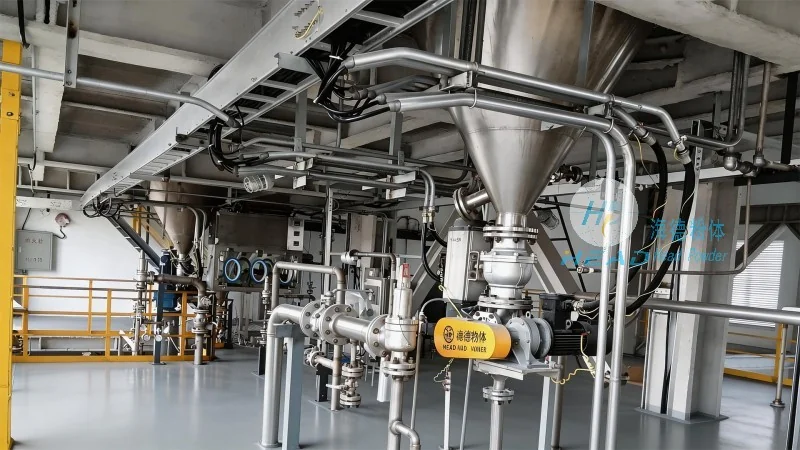
Applications and Benefits in Industrial Settings
Pneumatic conveying systems for powder electrolytes are widely used in various industrial applications, particularly in the battery manufacturing industry. The technology is essential for transporting materials such as lithium carbonate, lithium hydroxide, and other battery-grade powders with precision and care. The benefits of using pneumatic conveying in these applications include improved product quality, reduced handling costs, and enhanced safety. By minimizing direct contact between the powder and handling equipment, the system reduces the risk of contamination and degradation, ensuring that the final product meets the required specifications. Additionally, the system's ability to handle high volumes of material efficiently makes it ideal for large-scale production environments.




