

Operation Process and Working Principle of Quantitative Feeding Powder Conveying Line
Quantitative feeding powder conveying lines are critical components in industrial material handling systems, designed to deliver precise amounts of bulk powders with high accuracy and efficiency. These systems are essential for applications ranging from pharmaceutical manufacturing to chemical processing, where consistent material flow is paramount to production quality and safety.
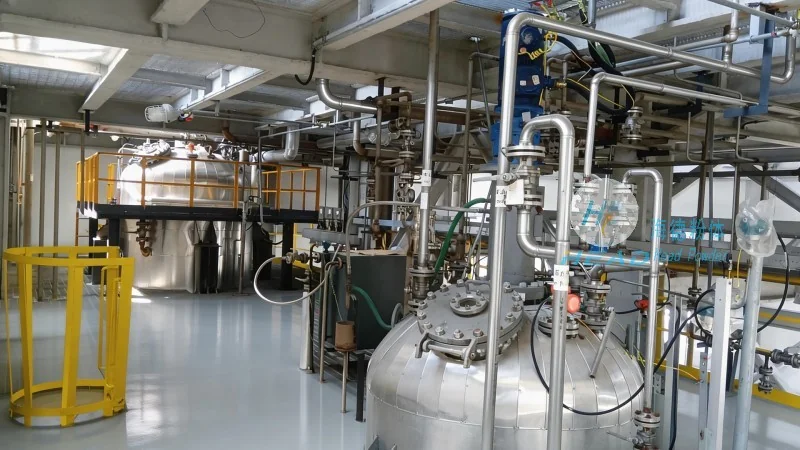
Overview of Quantitative Feeding Powder Conveying Lines
At the core of these systems is the integration of advanced control technologies and robust mechanical components. The design aims to ensure that powders are conveyed in a controlled manner, preventing issues such as overloading or underfeeding that can disrupt production processes. The system typically includes feed hoppers, feeding mechanisms, conveying equipment, and control units, all working in tandem to achieve the desired material flow rates.
Key Components and Their Functions
The quantitative feeding powder conveying line consists of several key components, each playing a vital role in the overall operation. The feed hopper is responsible for storing the bulk powder and providing a consistent supply to the feeding mechanism. This component is often equipped with level sensors to monitor the material level and adjust the feeding rate accordingly. The feeding mechanism, which may include screw feeders, vibratory feeders, or rotary valves, is designed to meter the powder at a precise rate. The conveying equipment, such as pneumatic or mechanical conveyors, transports the metered powder to the processing or packaging area. Finally, the control unit integrates all these components, using sensors and feedback loops to maintain the desired flow rate and adjust for variations in material properties or system conditions.
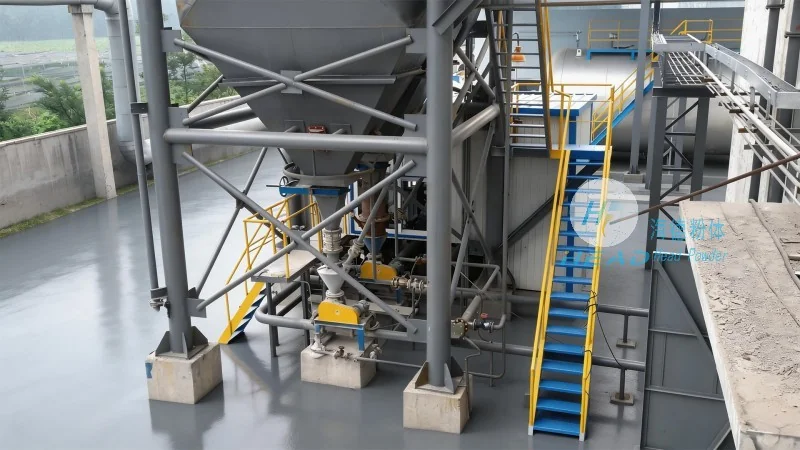
Operation Process of the System
The operation of a quantitative feeding powder conveying line begins with the loading of the feed hopper. As the material level decreases, the level sensor triggers the feeding mechanism to start. The feeding mechanism then meters the powder at a pre-set rate, which is controlled by the system's control unit. The metered powder is then conveyed to the next stage of the process, such as a mixer or a packaging machine. Throughout the operation, the control unit continuously monitors the flow rate and adjusts the feeding mechanism as needed to maintain the desired output. This closed-loop control system ensures that the material is delivered at a consistent rate, minimizing variations and improving overall process efficiency.
Working Principle of the Conveying Mechanism
The working principle of the quantitative feeding powder conveying line is based on precise metering and controlled transport. The feeding mechanism, typically a screw feeder or a vibratory feeder, operates by rotating or vibrating to push the powder forward. The speed of the mechanism is adjusted to control the volume of material that passes through per unit time. For example, a screw feeder's speed can be varied to achieve different flow rates, while a vibratory feeder uses oscillating motion to move the powder along a trough. The conveying equipment then transports the metered powder through a pipeline or a conveyor belt, ensuring that the material is delivered to the target location without loss or degradation. The entire process is monitored by sensors that provide real-time data on flow rate, pressure, and material level, allowing for immediate adjustments to maintain optimal performance.
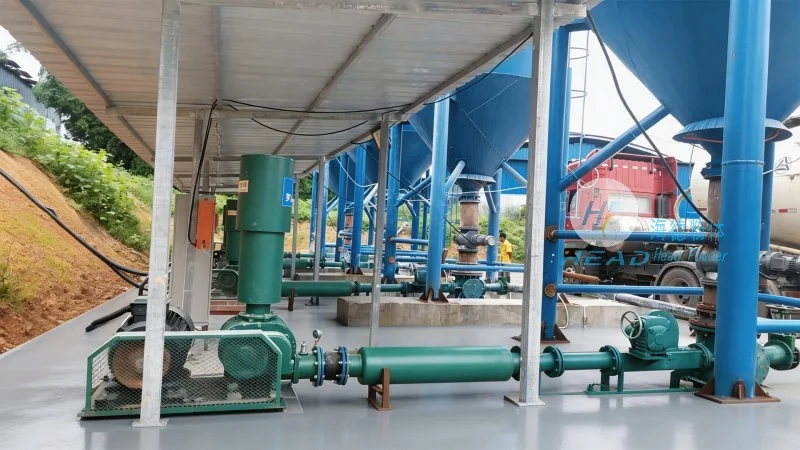
Applications and Benefits
Quantitative feeding powder conveying lines are widely used in various industries due to their ability to deliver precise amounts of bulk materials. In the pharmaceutical industry, these systems are crucial for ensuring the accurate dosing of active ingredients, which is critical for product efficacy and safety. In the chemical industry, they help maintain consistent material flow rates, reducing the risk of overmixing or undermixing. The benefits of these systems include improved process control, reduced material waste, and enhanced safety by minimizing the risk of overloading or underfeeding. Additionally, the use of closed-loop control systems allows for real-time adjustments, adapting to changes in material properties or system conditions to maintain optimal performance.
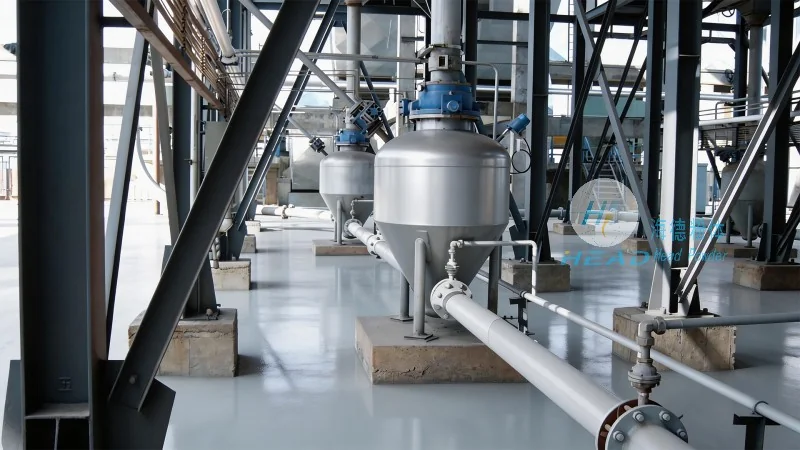
Company Introduction: Shandong HeadPowder Engineering Co., Ltd.
Shandong HeadPowder Engineering Co., Ltd., operating under the brand name headpowder, is a leading manufacturer of quantitative feeding powder conveying lines and related industrial equipment. With a focus on innovation and quality, the company has established itself as a trusted partner for industries requiring precise material handling solutions. Headpowder's products are designed to meet the stringent requirements of various applications, ensuring reliability, efficiency, and durability. The company's commitment to customer satisfaction and technological advancement has made it a preferred choice for businesses seeking high-performance material handling systems.
Location and Contact Information
Headpowder is headquartered in Shandong, China, with a dedicated team of engineers and technicians dedicated to developing and manufacturing advanced powder handling solutions. The company's facilities are equipped with state-of-the-art technology and quality control measures to ensure that every product meets the highest standards. By leveraging years of experience and expertise in the field, Headpowder continues to provide reliable and efficient quantitative feeding powder conveying lines to customers worldwide.