

What is a Dry Manure Pneumatic Conveying System Equipment? What is its Design Principle?
For agricultural and waste management operations, efficient and hygienic handling of manure is crucial. A dry manure pneumatic conveying system equipment offers a solution that minimizes labor, reduces contamination risks, and optimizes the overall workflow. This article explores the components, working principles, and design considerations of such systems, highlighting how they enhance operational efficiency in modern farming and waste processing.
Understanding the Core Components of Dry Manure Pneumatic Conveying Systems
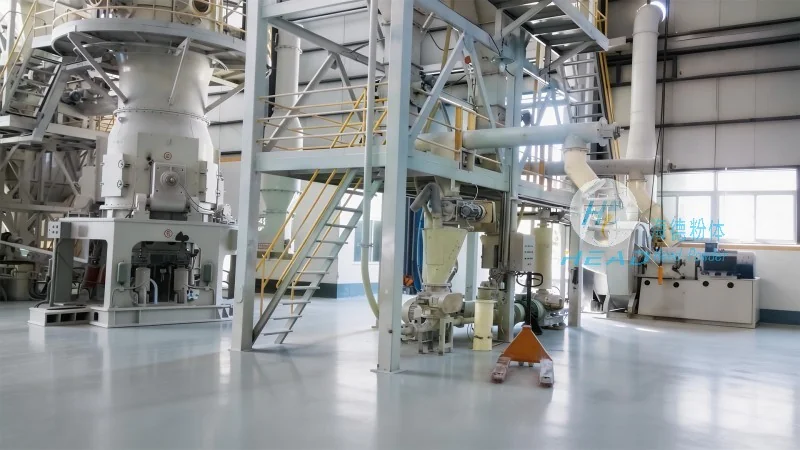
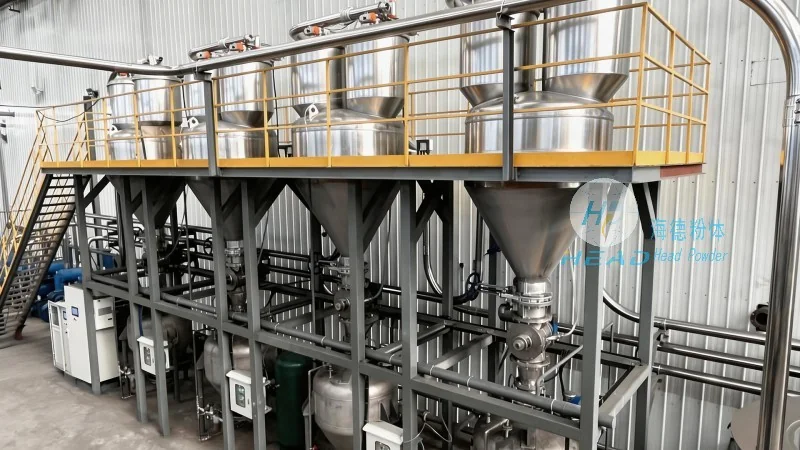
The dry manure pneumatic conveying system equipment typically consists of several key components that work in tandem to transport manure efficiently. These include a feed hopper, a pneumatic conveyor (either positive or negative pressure), a separation unit, and a discharge outlet. The feed hopper is designed to hold the dry manure, ensuring a consistent supply to the conveyor. The pneumatic conveyor uses air pressure to move the material through a pipeline, while the separation unit helps to remove any air or moisture that may have been introduced during the process. The discharge outlet then delivers the manure to its final destination, such as a storage tank or processing facility.
Design Principles and Operational Efficiency
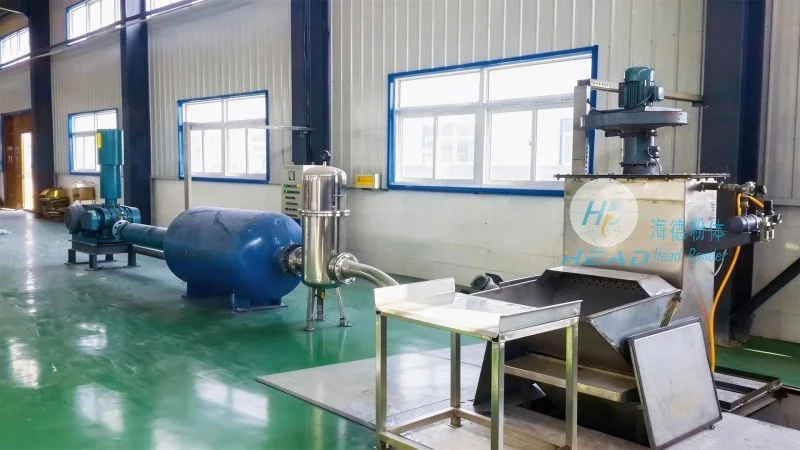
The design of a dry manure pneumatic conveying system equipment is based on several key principles to ensure optimal performance. One of the primary considerations is the material's properties, such as its moisture content, particle size, and density. These factors influence the air velocity required to move the material through the pipeline. The system is designed to maintain a consistent air flow and pressure to prevent blockages and ensure smooth operation. Additionally, the system incorporates features like air filters and moisture control mechanisms to maintain the quality of the manure and prevent equipment damage.
Benefits of Using Dry Manure Pneumatic Conveying Systems
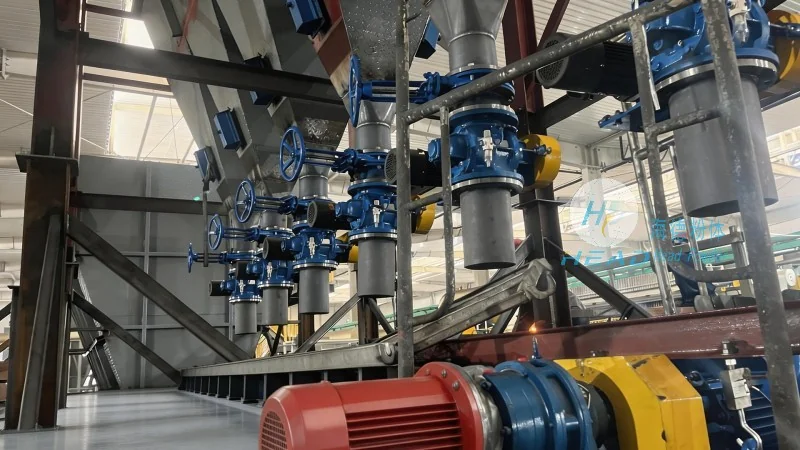
Implementing a dry manure pneumatic conveying system equipment offers numerous benefits for agricultural and waste management operations. First, it significantly reduces labor costs by automating the manure handling process. Manual handling of manure is not only labor-intensive but also poses health risks due to exposure to bacteria and pathogens. The pneumatic system eliminates the need for manual transport, reducing the risk of contamination and improving worker safety. Second, it enhances operational efficiency by allowing for continuous and uninterrupted transport of manure, even over long distances. This is particularly beneficial for large-scale farms or waste processing facilities where manure needs to be moved from collection points to processing or storage areas. Third, the system helps to maintain the quality of the manure by minimizing exposure to air and moisture, which can degrade the material's nutritional value. This is crucial for applications where the manure is used as a fertilizer or feed supplement.
Applications and Customization Options
Dry manure pneumatic conveying systems equipment are versatile and can be customized to meet the specific needs of various applications. They are commonly used in large-scale dairy farms, pig farms, and poultry operations where manure is generated in large quantities. The systems can be designed to handle different types of manure, including solid, liquid, or semi-solid forms, depending on the specific requirements. Additionally, the systems can be integrated with other equipment, such as composting or drying units, to create a comprehensive waste management solution. Customization options include varying pipeline lengths, air pressure levels, and material handling capacities to ensure the system meets the operational demands of the facility.
Conclusion: The Role of Dry Manure Pneumatic Conveying Systems in Modern Agriculture
In conclusion, a dry manure pneumatic conveying system equipment is a critical component in modern agricultural and waste management operations. By leveraging the principles of pneumatic transport, these systems offer an efficient, hygienic, and cost-effective solution for handling manure. The design and components of such systems are tailored to meet the specific needs of different applications, ensuring optimal performance and operational efficiency. As the demand for sustainable and efficient waste management practices continues to grow, the importance of dry manure pneumatic conveying systems will only increase. Companies like Shandong HeadPowder Engineering Co., Ltd., based in China, specialize in designing and manufacturing these systems, providing tailored solutions to meet the diverse needs of agricultural and waste processing industries.