

What is a Silicate Pneumatic Conveying System Equipment? What are its Design Principles?
Silicate materials, such as silica, kaolin, and other mineral powders, are widely used in various industrial processes. The efficient and reliable transportation of these materials is crucial for maintaining production efficiency and reducing operational costs. Pneumatic conveying systems have emerged as a preferred solution for handling silicate powders due to their ability to transport materials in a dust-free environment and with minimal product degradation. This article provides an in-depth exploration of silicate pneumatic conveying system equipment, focusing on its design principles and the key components that enable effective material handling.
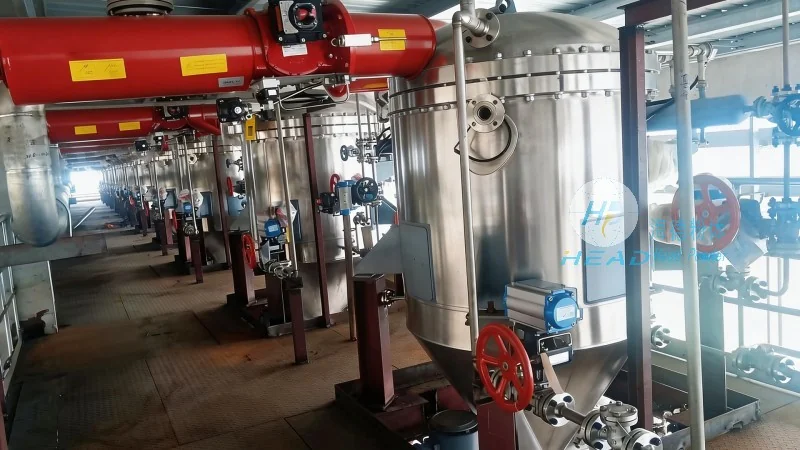
Understanding Silicate Pneumatic Conveying Systems
A silicate pneumatic conveying system is a mechanical system that uses compressed air or other gases to transport dry, powdered silicate materials from one location to another. Unlike traditional bulk material handling methods like belt conveyors or bucket elevators, pneumatic conveying systems operate by creating a flow of air that carries the material particles through a pipeline network. This method is particularly advantageous for silicate materials because it prevents dust contamination, reduces the risk of product agglomeration, and allows for flexible routing of the material flow.
Key Components of Silicate Pneumatic Conveying Equipment
The effectiveness of a silicate pneumatic conveying system depends on several critical components, each designed to optimize the material transport process. The primary components include the material feed hopper, which stores and feeds the silicate powder into the system; the air compressor, which generates the necessary pressure to move the material; the conveying line, which consists of pipes that transport the material and air mixture; and the receiver, which collects the material at the destination point. Additionally, the system may include accessories such as filters to remove dust from the air, pressure regulators to control air pressure, and control valves to manage the flow of material and air.
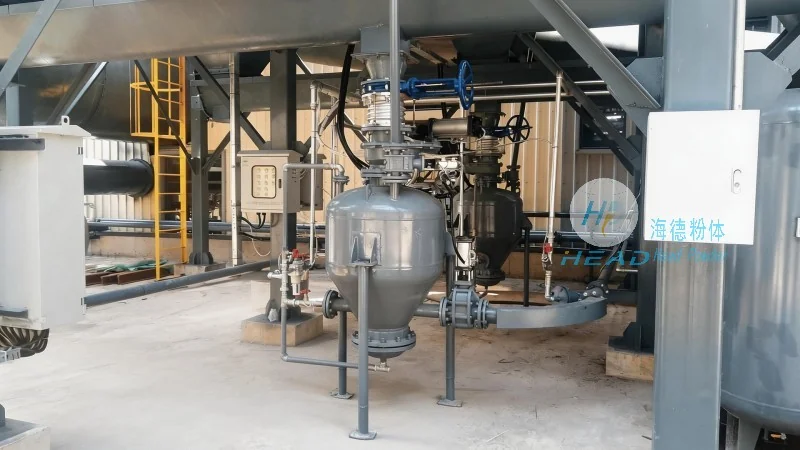
Design Principles for Efficient Silicate Pneumatic Conveying
The design of a silicate pneumatic conveying system follows specific principles to ensure optimal performance and durability. One of the fundamental principles is the selection of appropriate air velocity, which must be high enough to overcome the resistance of the material particles in the pipeline but not so high as to cause excessive wear on the system components. The system design also considers the particle size and density of the silicate material, as these factors influence the required air pressure and flow rate. For example, finer particles may require higher air velocities to maintain a stable flow, while larger particles may need lower velocities to prevent blockages. Another critical design principle is the use of appropriate pipe diameters and materials. The pipe diameter must be large enough to accommodate the material flow without causing excessive pressure drop, and the pipe material must be resistant to corrosion and abrasion from the silicate particles. The system also incorporates features such as bends and elbows that are designed to minimize pressure loss and maintain the flow of material and air.
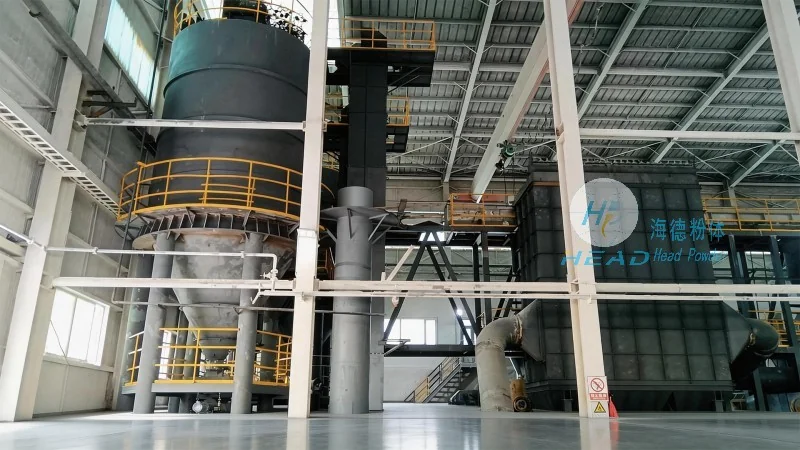
Applications of Silicate Pneumatic Conveying Systems
Silicate pneumatic conveying systems are widely used in various industries that handle silicate powders, including the chemical, pharmaceutical, and food processing sectors. In the chemical industry, these systems are used to transport silica and kaolin for the production of ceramics, glass, and other industrial products. In the pharmaceutical industry, they are employed to handle fine powders used in drug manufacturing, ensuring that the materials are transported in a sterile and dust-free environment. The food processing industry also utilizes pneumatic conveying systems to transport silicate-based ingredients, such as silica used as a flow agent in food products. The versatility of these systems makes them suitable for a wide range of applications, from small-scale laboratory operations to large-scale industrial production lines.
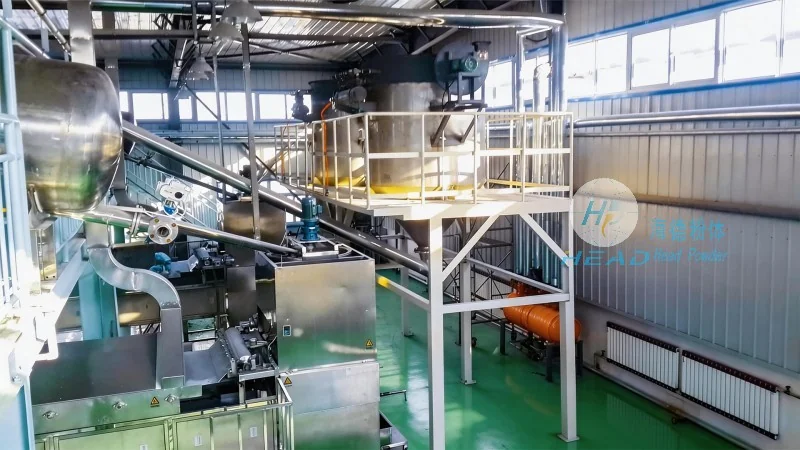
Advantages of Using Silicate Pneumatic Conveying Systems
Compared to traditional material handling methods, silicate pneumatic conveying systems offer several advantages that make them a preferred choice for many industries. One of the primary advantages is the ability to transport materials in a dust-free environment, which reduces the risk of product contamination and improves workplace safety. The systems also minimize product degradation by preventing contact with external elements and reducing the risk of agglomeration. Additionally, pneumatic conveying systems are more flexible in terms of routing, allowing for the integration of multiple material sources and destinations within a facility. The systems are also relatively compact, requiring less floor space compared to traditional bulk handling equipment. Furthermore, the operation of pneumatic conveying systems is generally more energy-efficient than other methods, as the air compressor can be sized to match the specific requirements of the material flow, reducing energy consumption.
Conclusion
Silicate pneumatic conveying systems are essential equipment for the efficient and reliable handling of silicate powders in various industrial applications. The design of these systems follows specific principles to ensure optimal performance, durability, and safety. By understanding the key components and design principles of pneumatic conveying systems, industries can select and implement the most suitable equipment for their specific material handling needs. As a leading manufacturer of silicate pneumatic conveying equipment, Shandong HeadPowder Engineering Co., Ltd. specializes in providing high-quality systems tailored to the unique requirements of each application. With its headquarters in Shandong, China, the company leverages advanced engineering and manufacturing capabilities to deliver reliable and efficient solutions for the transportation of silicate materials.