

What is a Carbon Black Pneumatic Conveying System? What is its Design Principle?
Carbon black is a critical industrial material utilized extensively in sectors like rubber, plastics, and pigments. The efficient and safe transportation of carbon black from production sites to processing facilities is vital for maintaining production efficiency and product quality. A carbon black pneumatic conveying system is specialized equipment designed to handle the material's unique properties, ensuring reliable and continuous material transfer. This article explores the fundamental aspects of carbon black pneumatic conveying systems, focusing on their design principles and operational mechanisms.
Understanding Carbon Black Pneumatic Conveying Systems
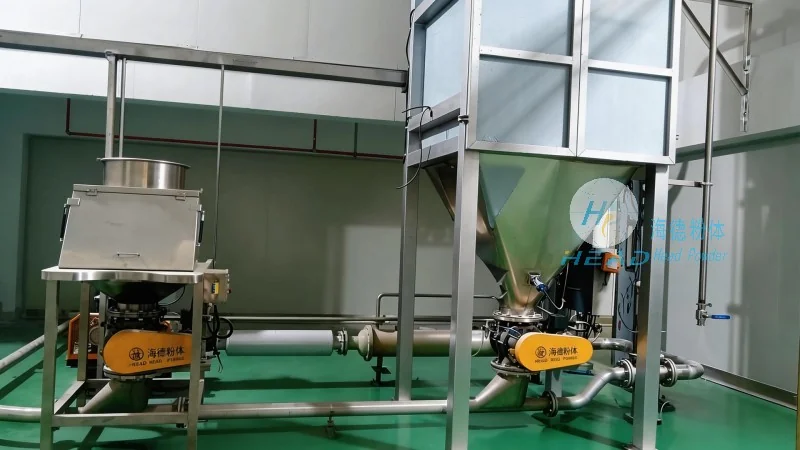
A carbon black pneumatic conveying system is a type of pneumatic conveying equipment that uses compressed air or other gases to transport carbon black particles from a source to a destination. Unlike traditional mechanical conveying methods, which rely on gravity or mechanical force, pneumatic conveying systems utilize the kinetic energy of the gas stream to move the material. This method is particularly suitable for carbon black due to its fine particle size and high density, which can make traditional conveying methods inefficient or even hazardous.
The Core Design Principles of Carbon Black Pneumatic Conveying Systems
The design of a carbon black pneumatic conveying system is based on several key principles to ensure optimal performance and safety. The primary principle is the creation of a consistent and controlled airflow that can effectively lift and transport the carbon black particles. This is achieved through the use of appropriate air velocity and pressure, which are critical parameters that must be carefully calibrated based on the material's characteristics and the system's layout.
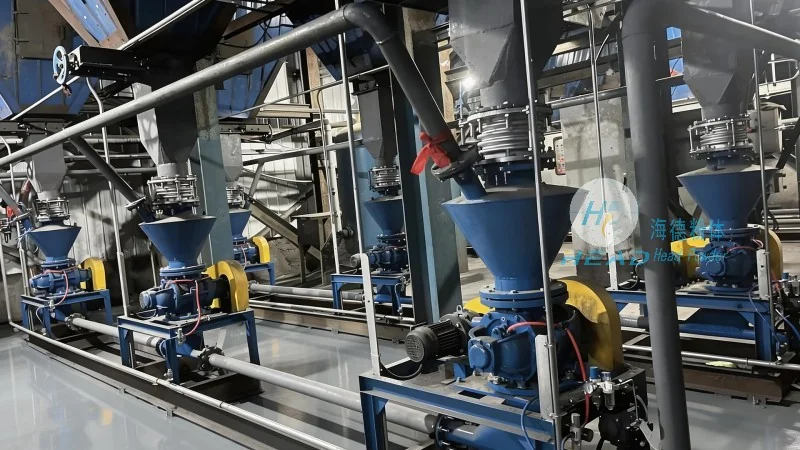
Another important design principle is the prevention of material degradation and blockage. Carbon black particles are prone to agglomeration, which can lead to system clogs and reduced efficiency. To address this, the system incorporates features such as pulse-jet cleaning, rotary valves, and smooth internal surfaces to minimize particle accumulation and ensure unobstructed flow. Additionally, the system is designed with explosion-proof components and proper ventilation to handle the potential dust explosion risks associated with carbon black dust.
Key Components and Their Functions in a Carbon Black Pneumatic Conveying System
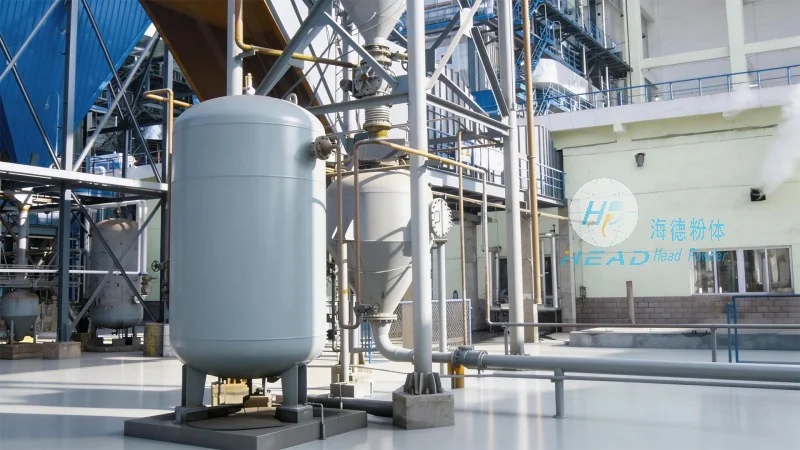
A typical carbon black pneumatic conveying system consists of several interconnected components, each playing a vital role in the material transfer process. The main components include the material hopper, which stores the carbon black and provides a controlled feed; the air compressor or blower, which generates the necessary airflow; the conveying line, which transports the material; and the receiving hopper or silo, where the carbon black is deposited. Other essential components include the rotary airlock valves, which regulate the material flow at the inlet and outlet, and the filter system, which captures any dust particles and returns clean air to the system.
The material hopper is designed with a sloped bottom and a discharge valve to ensure a steady flow of carbon black into the conveying line. The air compressor, often a high-pressure blower, provides the required pressure to move the particles through the system. The conveying line is typically made of stainless steel or other corrosion-resistant materials to prevent material buildup and maintain hygiene. The receiving hopper is equipped with a level indicator and a discharge valve to control the final deposition of the carbon black.
Operational Considerations and Safety Measures
Operating a carbon black pneumatic conveying system requires careful attention to operational parameters and safety protocols. The air pressure and velocity must be maintained within the optimal range to prevent material degradation and system damage. Regular maintenance, including cleaning of the filter system and inspection of the conveying line, is essential to ensure long-term system reliability. Additionally, the system is equipped with safety features such as pressure relief valves and dust explosion suppression systems to mitigate potential hazards.
Shandong HeadPowder Engineering Co., Ltd., a leading manufacturer of carbon black processing equipment, specializes in designing and manufacturing high-quality carbon black pneumatic conveying systems. With years of experience in the industry, the company has developed advanced solutions that meet the stringent requirements of carbon black handling. The company's systems are engineered to provide efficient, safe, and reliable material transfer, ensuring that customers can maximize their production output while maintaining product quality. HeadPowder's commitment to innovation and customer satisfaction has made it a trusted partner for businesses in the carbon black industry.
Located in Shandong, China, Shandong HeadPowder Engineering Co., Ltd. leverages its expertise and state-of-the-art facilities to deliver cutting-edge pneumatic conveying solutions. The company's products are designed to adapt to various production scales and material characteristics, providing customized solutions that address the unique needs of each client. By focusing on quality, reliability, and safety, HeadPowder has established itself as a leading provider of carbon black processing equipment, helping businesses enhance their operational efficiency and achieve sustainable growth.