

What is a Calcium Powder Pneumatic Conveying System? And What Are Its Design Principles?
For industries dealing with calcium powder, selecting the right material handling solution is crucial for efficiency and safety. A calcium powder pneumatic conveying system is a specialized equipment designed to transport calcium powder through a pipeline using air or other gas as the conveying medium. This system offers numerous advantages over traditional methods, such as reduced contamination, improved product quality, and enhanced operational flexibility. Shandong HeadPowder Engineering Co., Ltd., a leading manufacturer in the field, specializes in designing and supplying high-quality calcium powder pneumatic conveying systems tailored to meet the diverse needs of industrial clients.
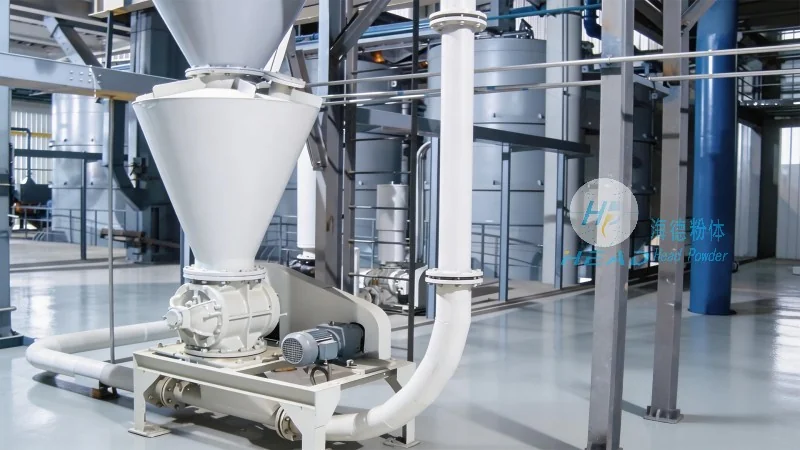
Key Components of a Calcium Powder Pneumatic Conveying System
The core components of a calcium powder pneumatic conveying system include the material hopper, feeder, conveying line, and receiver. The material hopper stores the calcium powder and provides a consistent feed to the system. The feeder, typically a rotary valve or a screw feeder, controls the flow rate of the powder into the conveying line. The conveying line, usually made of stainless steel or other corrosion-resistant materials, transports the powder. The receiver collects the conveyed calcium powder and can be equipped with dust collection systems to maintain air quality. These components work in harmony to ensure smooth and efficient material transport, minimizing downtime and operational risks.
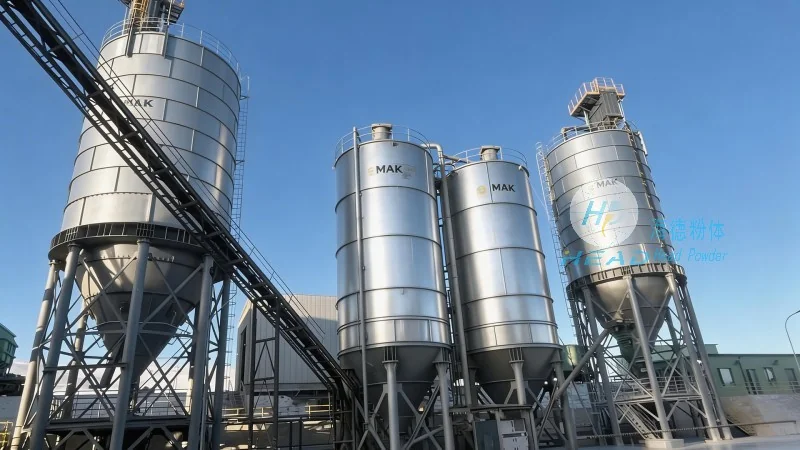
Design Principles of Calcium Powder Pneumatic Conveying Systems
The design of a calcium powder pneumatic conveying system is based on several key principles to ensure optimal performance. First, the system must be designed to handle the specific properties of calcium powder, including its particle size, density, and flowability. The air velocity within the conveying line is critical; it must be sufficient to lift and transport the powder without causing excessive pressure drops or particle degradation. The system also needs to consider the pressure requirements, which can vary based on the distance and height of the conveying line. Additionally, the design must incorporate features to prevent clogging and ensure smooth operation, such as proper venting and cleaning mechanisms. Engineers at Shandong HeadPowder Engineering Co., Ltd. apply these principles to create customized systems that meet the unique demands of each application.
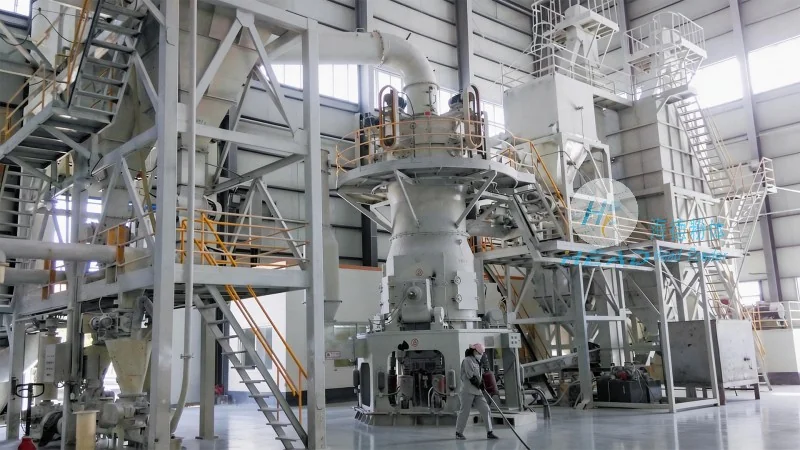
Advantages of Using a Calcium Powder Pneumatic Conveying System
Implementing a calcium powder pneumatic conveying system offers several benefits for industrial applications. One of the primary advantages is the reduction of product contamination, as the system operates in a closed environment, minimizing exposure to external elements. This is particularly important for calcium powder used in pharmaceutical or food industries, where purity is paramount. Another benefit is the improved product quality, as the system prevents segregation and agglomeration of the powder particles. Operational flexibility is also a key advantage, as the system can easily adjust the flow rate and conveying distance to meet varying production demands. Furthermore, the system reduces labor costs by automating the material handling process and minimizing the need for manual handling, which can also enhance workplace safety. These advantages make pneumatic conveying an attractive option for businesses looking to optimize their calcium powder handling processes.
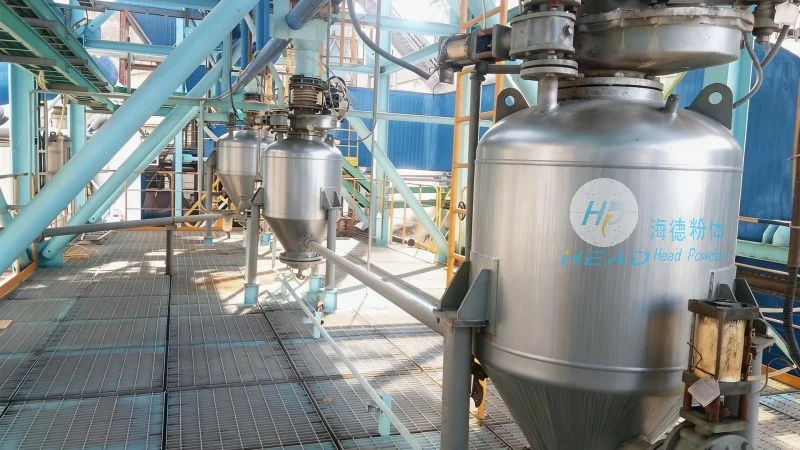
Customization and Application Considerations
Calcium powder pneumatic conveying systems are often customized to meet the specific needs of different industries and applications. Factors such as the type of calcium powder (e.g., limestone, calcium carbonate), the required conveying capacity, and the distance or height of the transport need to be considered during the design phase. For example, in the chemical industry, the system may need to handle abrasive calcium powders, requiring more robust materials for the conveying line and components. In the food industry, the system must adhere to strict sanitary standards, with components made of food-grade materials and easy-to-clean designs. The choice of air source, whether compressed air or a dedicated blower system, also impacts the system's design and efficiency. Additionally, the system's integration with existing production lines is crucial, ensuring seamless operation and minimal disruption to the overall workflow. Shandong HeadPowder Engineering Co., Ltd. provides comprehensive consultation services to help clients select the most suitable system configuration for their specific requirements.