

What is an Additive Pneumatic Conveying System Equipment? What Are Its Design Principles?
At Shandong HeadPowder Engineering Co., Ltd., we specialize in providing advanced solutions for material handling, particularly through the use of additive pneumatic conveying systems. These systems are designed to efficiently transport bulk materials like additives, powders, and granules over long distances with minimal maintenance and high reliability. The core of such equipment lies in its ability to combine air flow with material particles, creating a pneumatic transport mechanism that ensures smooth and consistent material movement.
Understanding the Core Components of a Pneumatic Conveying System
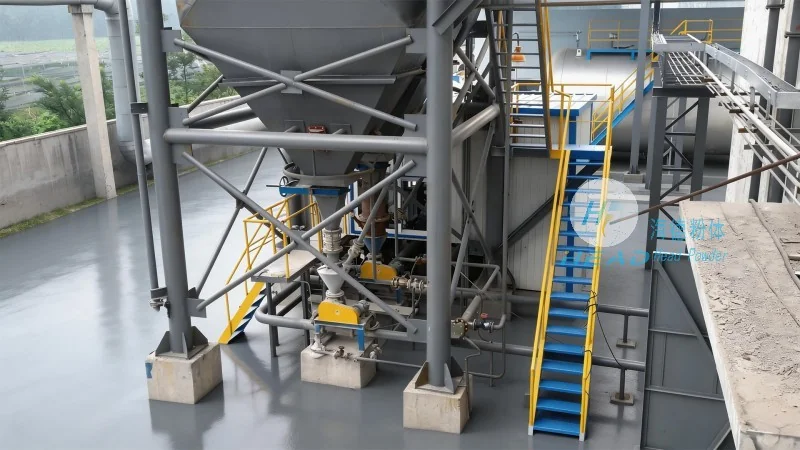
The additive pneumatic conveying system typically consists of several key components that work in tandem to achieve effective material transport. These include the material feed hopper, which holds the additive material ready for transfer; the air supply system, which generates the necessary air pressure or vacuum to move the material; the conveying line, which can be either positive pressure or negative pressure (or a combination of both, known as a hybrid system); and the material discharge unit, which delivers the conveyed material to its final destination. Each component is carefully engineered to ensure optimal performance and compatibility with the specific additive being handled.
Design Principles Behind Pneumatic Conveying Systems
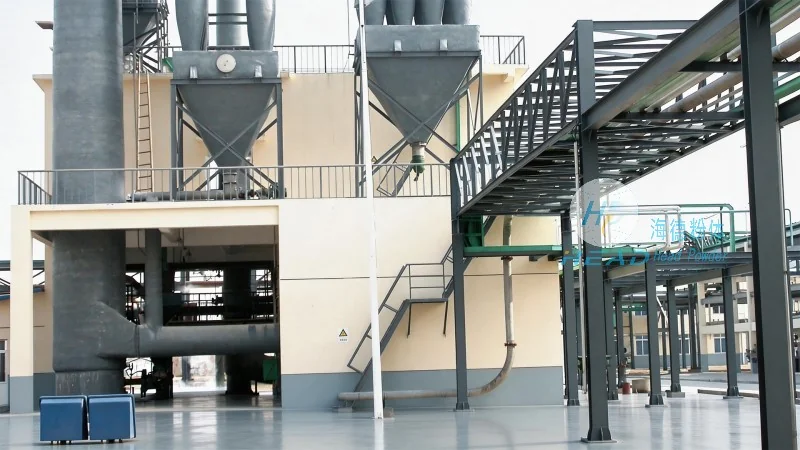
The design principles of a pneumatic conveying system are centered on the fundamental physics of fluid dynamics and particle movement. The primary principle is the creation of a stable suspension of material particles within the air stream. This is achieved by controlling the air velocity and pressure within the system. For positive pressure systems, air is forced through the conveying line, carrying the material particles along with it. The air velocity must be sufficient to keep the particles suspended and prevent them from settling or clogging the line. Conversely, in negative pressure (or vacuum) systems, the air is drawn through the line, pulling the material particles into the system. The design must consider factors such as the particle size, density, and flowability of the additive, as these characteristics directly impact the system's performance and efficiency.
Advantages of Using Additive Pneumatic Conveying Systems
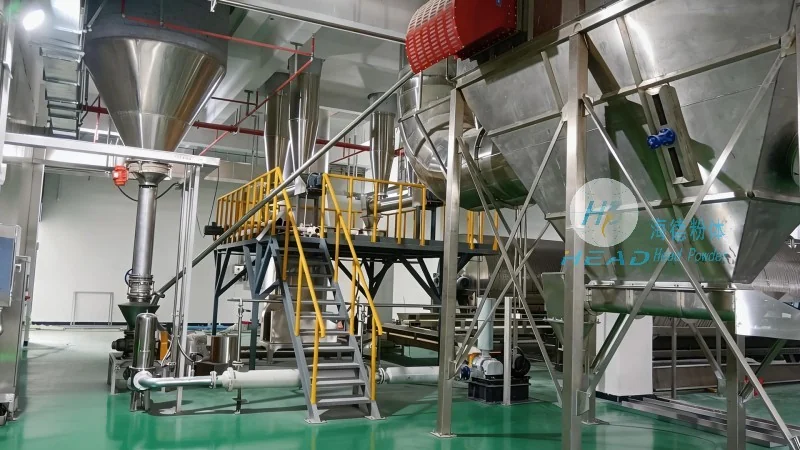
Implementing an additive pneumatic conveying system offers numerous advantages over traditional material handling methods. One of the most significant benefits is the ability to transport materials in a closed system, which minimizes dust emissions and contamination risks. This is particularly important for additives that are sensitive to moisture or air exposure. Additionally, these systems can handle a wide range of particle sizes and densities, making them versatile for various industrial applications. The compact design of the equipment allows for easy integration into existing production lines, reducing the need for extensive modifications to facility layouts. Furthermore, the automated operation of the system enhances safety by minimizing human exposure to hazardous materials and reducing the risk of accidents during material handling.
Application Examples in Industrial Settings
Shandong HeadPowder Engineering Co., Ltd. has successfully applied additive pneumatic conveying systems in various industrial sectors. For instance, in the pharmaceutical industry, these systems are used to transport active pharmaceutical ingredients (APIs) and excipients with high precision and cleanliness. In the food and beverage industry, they handle ingredients like spices, flavors, and vitamins, ensuring that the final products remain free from contamination and maintain their quality. The chemical industry also benefits from these systems when transporting powders such as catalysts, pigments, and other additives that require controlled handling. Each application is tailored to meet the specific requirements of the industry, ensuring that the system operates efficiently and safely.
Customization and Maintenance Considerations
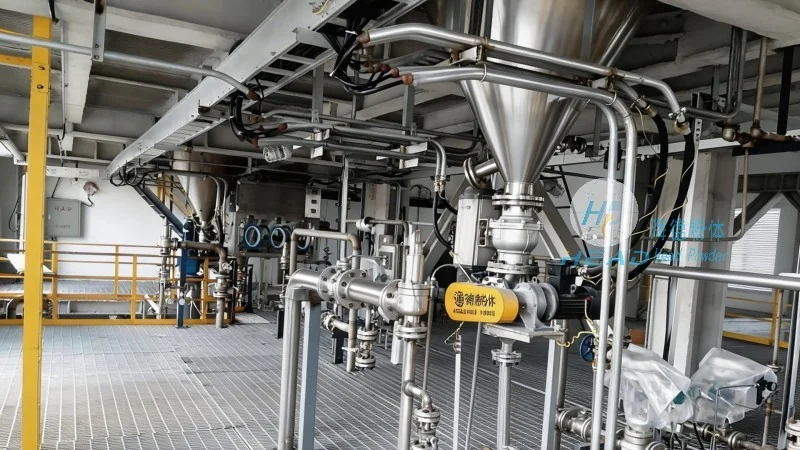
At Shandong HeadPowder Engineering Co., Ltd., we understand that each industrial environment has unique needs. Therefore, our additive pneumatic conveying systems are customizable to fit specific operational requirements. This includes adjusting the system's capacity, pressure levels, and material handling capabilities based on the client's production volume and material characteristics. Regular maintenance is crucial to ensure the longevity and reliability of the equipment. Our team provides comprehensive maintenance services, including routine inspections, component replacements, and performance optimizations, to keep the system operating at peak efficiency. By investing in proper maintenance, clients can extend the lifespan of their equipment and minimize downtime, leading to improved overall productivity.