

Operation Process and Working Principle of Iron Fines Powder Conveying Line
Iron fines powder conveying lines are critical components in industrial settings where the efficient handling and transportation of iron fines are essential. These systems are designed to transport iron powder or fine iron particles from one location to another with precision and reliability. The operation of such lines involves a series of integrated processes that ensure smooth material flow, minimal loss, and optimal performance. In this article, we will explore the detailed operation process and working principles of iron fines powder conveying lines, highlighting the key elements that contribute to their effectiveness.
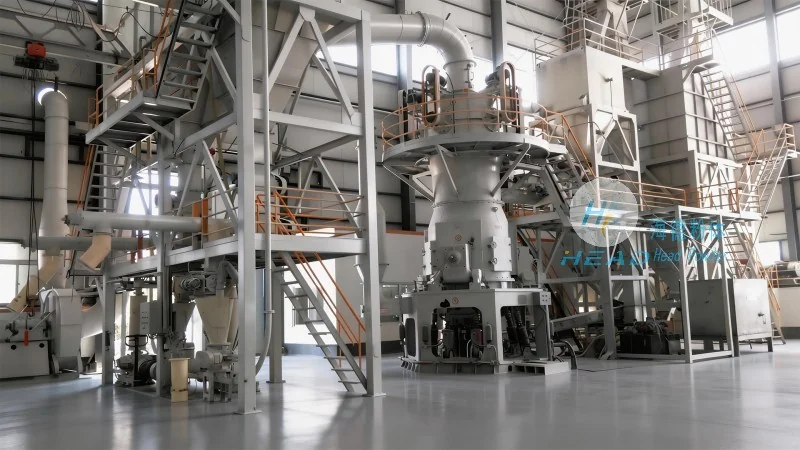
About Shandong HeadPowder Engineering Co., Ltd.
Shandong HeadPowder Engineering Co., Ltd. is a leading manufacturer and supplier of specialized powder handling equipment, including iron fines powder conveying lines. With a strong presence in China, the company is headquartered in Shandong, a region known for its robust industrial infrastructure and advanced manufacturing capabilities. HeadPowder specializes in developing customized solutions tailored to the unique needs of various industries, ensuring that their conveying systems meet the highest standards of efficiency and durability. The company's commitment to quality and innovation has made it a trusted partner for businesses seeking reliable powder handling solutions.
System Components of an Iron Fines Powder Conveying Line
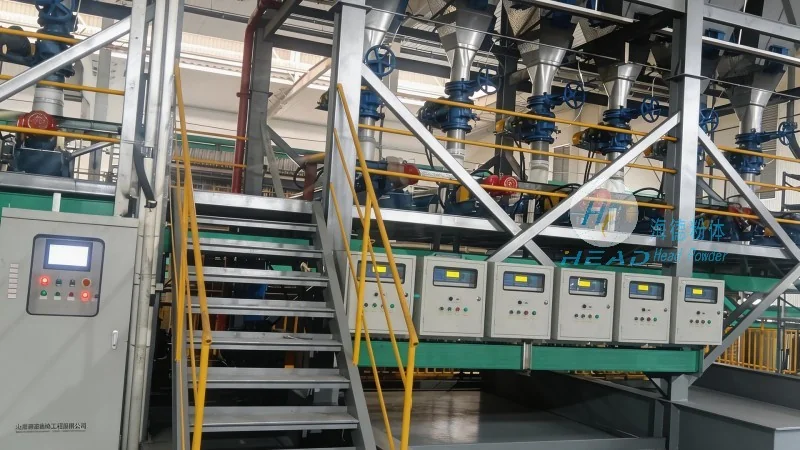
An iron fines powder conveying line typically consists of several key components that work in tandem to facilitate the transportation of iron powder. The main components include a hopper for material storage, a feeder to control the flow rate, a conveyor system (such as a screw conveyor or pneumatic conveyor), a control panel for monitoring and adjustment, and a discharge outlet for the material. Each component plays a crucial role in ensuring the smooth operation of the entire system. The hopper is designed to hold a sufficient quantity of iron fines, preventing material buildup and ensuring a consistent feed to the feeder. The feeder regulates the flow rate, preventing overloading or underloading of the conveyor, which can affect the system's performance. The conveyor system is the core of the line, responsible for moving the iron fines from the hopper to the discharge point. Pneumatic conveyors, for example, use air pressure to transport the material, while screw conveyors rely on rotating screws to push the powder forward. The control panel allows operators to monitor parameters such as pressure, flow rate, and temperature, ensuring that the system operates within optimal conditions. The discharge outlet is where the iron fines are released from the conveyor, typically into a storage bin or processing unit.
The Operation Process of Iron Fines Powder Conveying Lines
The operation process of an iron fines powder conveying line begins with the loading of iron fines into the hopper. The material is then fed into the conveyor system through the feeder, which controls the flow rate based on the system's requirements. The conveyor system then transports the iron fines to the discharge outlet. In a pneumatic conveying system, the iron fines are mixed with air and transported through a network of pipes. The air pressure is carefully regulated to ensure that the material is moved efficiently without causing blockages or excessive pressure drops. In a screw conveyor system, the rotating screws push the iron fines forward, maintaining a consistent flow rate. The control panel continuously monitors the system's performance, adjusting parameters as needed to maintain optimal operation. For example, if the pressure in a pneumatic system drops, the control panel may increase the air flow to maintain the desired pressure. Similarly, if the flow rate in a screw conveyor system is too high, the control panel may reduce the speed of the screws to prevent overloading. The discharge outlet then releases the iron fines into the next stage of processing or storage. The entire process is designed to be automated, with minimal human intervention required, ensuring that the system operates continuously and efficiently.
Working Principles of Iron Fines Powder Conveying Lines
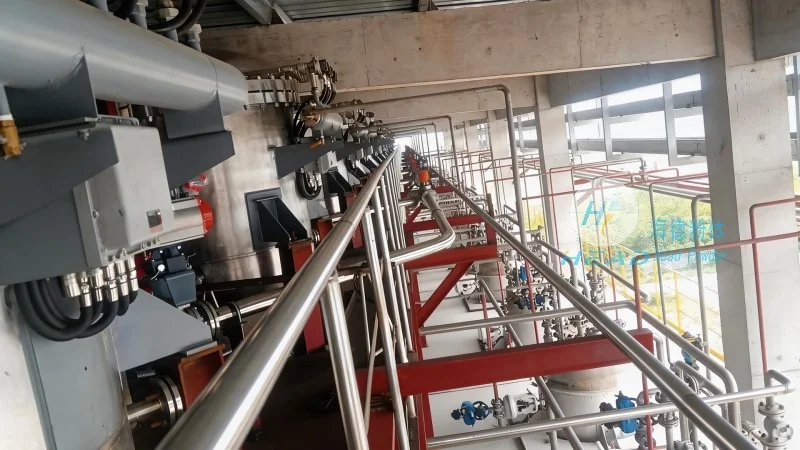
The working principles of iron fines powder conveying lines are based on the physical properties of the material being transported. Iron fines are typically fine particles with a high surface area, which can make them prone to caking or agglomeration. To prevent this, the conveying system is designed to maintain a consistent flow rate and avoid sudden changes in pressure or velocity. The hopper and feeder are designed to minimize the risk of material buildup, which can cause blockages and reduce the system's efficiency. The conveyor system is also designed to handle the abrasive nature of iron fines, which can wear down components over time. Materials such as stainless steel or high-grade alloys are used for the conveyor components to ensure durability and longevity. The control panel uses sensors and sensors to monitor the system's performance, providing real-time data on parameters such as pressure, flow rate, and temperature. This data is used to adjust the system's operation, ensuring that it operates within optimal conditions. The working principles also involve the use of appropriate air or mechanical forces to move the material. Pneumatic conveyors use air pressure to transport the material, while screw conveyors use mechanical force. The choice of system depends on the specific requirements of the application, such as the distance to be covered, the volume of material to be transported, and the need for dust control. The working principles are also designed to minimize energy consumption and maximize efficiency. By optimizing the flow rate and pressure, the system can reduce energy costs and improve overall performance.
Benefits of Using Iron Fines Powder Conveying Lines
Iron fines powder conveying lines offer several benefits to industrial applications. First, they provide an efficient and reliable method for transporting iron fines, reducing the risk of material loss and contamination. The automated operation of the system minimizes human intervention, ensuring consistent performance and reducing the risk of errors. Second, the systems are designed to handle the abrasive nature of iron fines, ensuring long-term durability and low maintenance costs. The use of high-grade materials and robust design reduces the need for frequent repairs and replacements. Third, the systems are customizable to meet the specific needs of different industries, such as steel manufacturing, foundries, or chemical processing. This flexibility allows businesses to optimize their operations and improve productivity. Fourth, the systems are designed to minimize dust emissions, which is important for maintaining a safe and healthy work environment. The use of enclosed systems and proper ventilation helps to control dust levels and prevent respiratory issues among workers. Finally, the systems are energy-efficient, reducing the overall operational costs of the business. By optimizing the flow rate and pressure, the system can reduce energy consumption and lower utility bills.