

Operation Process and Working Principle of a Plug-Type Powder Conveying Line
For industrial applications requiring efficient and reliable powder handling, the plug-type powder conveying line stands out as a sophisticated solution. This system, developed by Shandong HeadPowder Engineering Co., Ltd. based in Shandong, China, integrates advanced pneumatic technology to manage the transportation of bulk powders with precision and minimal loss. The following sections detail the operational process and underlying working principles of this equipment.
System Overview and Core Components
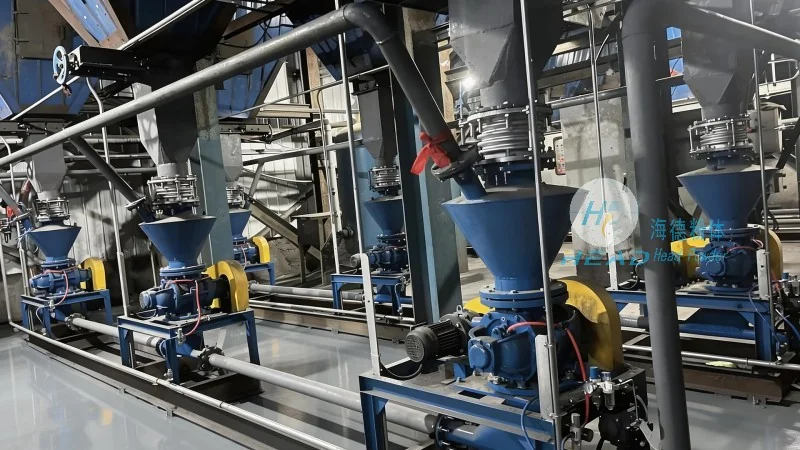
The plug-type powder conveying line is a closed-loop pneumatic system designed to transport dry powders over long distances or within complex processing environments. At its heart are several key components that work in concert to achieve efficient material transfer. These include a hopper or feed hopper for powder storage, a plunger or plug mechanism that controls the flow of material, a series of pipes or ducts for conveying, and a control unit that regulates air pressure and flow rates. The system may also incorporate additional features such as filters, pressure sensors, and valves to ensure optimal performance and safety.
Working Principle: The Formation and Propagation of Plugs
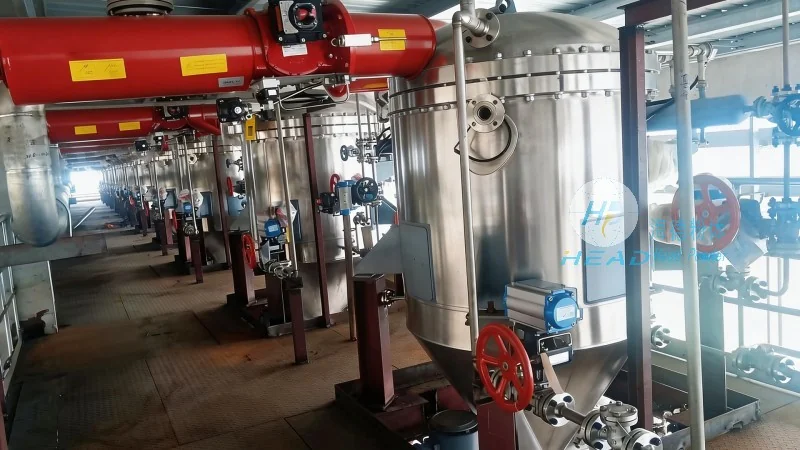
The fundamental principle of the plug-type conveying system is the creation and movement of "plugs"—dense, compacted columns of powder that travel through the pipeline. This process begins with the powder being fed into the system from the hopper. The plunger, typically a piston or a sliding valve, compresses the powder at the inlet, forming a compacted plug. As the plug moves forward, it is propelled by the pressure of compressed air or gas that is introduced behind it. The plug itself acts as a solid barrier, preventing the air from escaping prematurely and ensuring that the powder is conveyed in a controlled manner. This mechanism is distinct from other pneumatic conveying methods, as it eliminates the need for continuous air flow through the entire pipeline, reducing energy consumption and minimizing material degradation.
Operation Process: Step-by-Step Execution
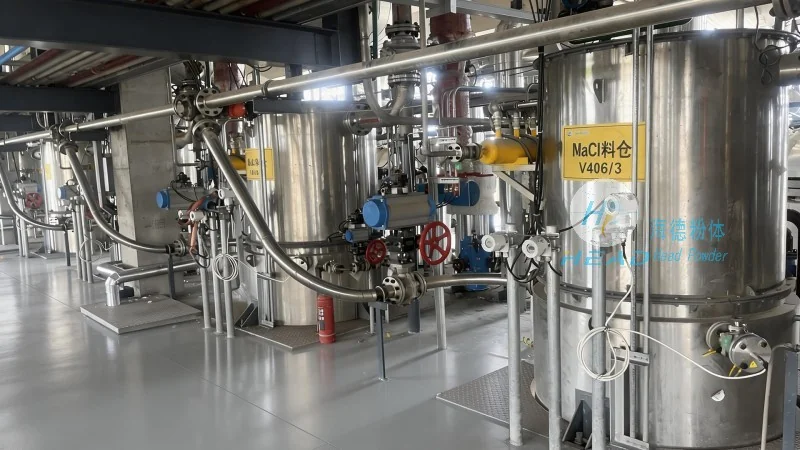
The operation of a plug-type powder conveying line follows a systematic sequence that ensures consistent and reliable performance. The process begins with the loading of the hopper with the desired powder. Once the hopper is filled, the control unit activates the system, initiating the formation of the first plug. The plunger then moves to the feed position, compressing the powder into a plug. Simultaneously, compressed air is introduced behind the plug, providing the necessary force to push it forward. As the plug travels through the pipeline, it is monitored by sensors that track its position and pressure. The control unit adjusts the air pressure and flow rate as needed to maintain a steady plug velocity, preventing clogging or excessive pressure buildup. Upon reaching the discharge point, the plug is released, and the material is deposited into the receiving container. The system then returns to the initial state, ready to form the next plug and repeat the cycle.
Advantages and Applications
The plug-type powder conveying line offers several advantages that make it suitable for a wide range of industrial applications. Its ability to handle abrasive or sensitive powders without degradation is a key benefit, as the compacted plug minimizes particle attrition. Additionally, the system is energy-efficient, as it only requires compressed air during the propulsion phase rather than continuously through the entire line. This reduces operational costs and environmental impact. The plug-type system is commonly used in industries such as pharmaceuticals, food processing, chemical manufacturing, and cement production, where precise control over powder flow and minimal contamination are critical. Shandong HeadPowder Engineering Co., Ltd. has optimized this technology to meet the specific needs of these industries, providing customized solutions that enhance productivity and safety.
Maintenance and Operational Considerations
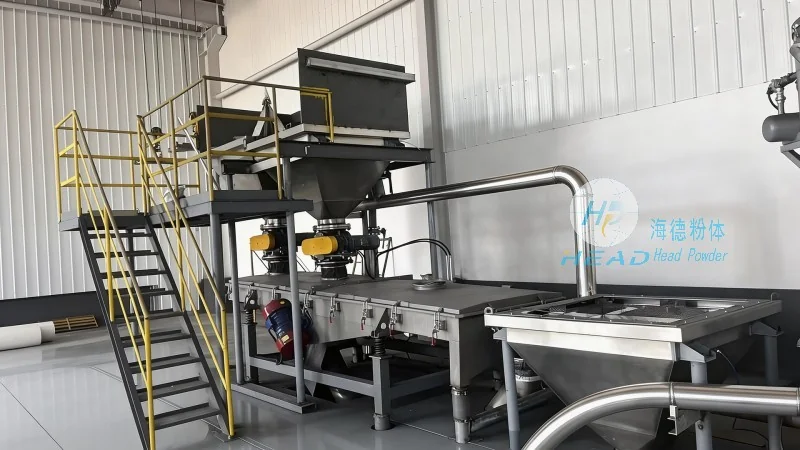
To ensure the long-term reliability and efficiency of the plug-type powder conveying line, regular maintenance is essential. This includes checking the condition of the plunger and seals, cleaning the hopper and pipes to prevent powder buildup, and inspecting pressure sensors and control units for proper functionality. Proper maintenance not only extends the lifespan of the equipment but also prevents operational issues such as clogs or pressure fluctuations. Additionally, operators should be trained on the proper operation of the system, including how to adjust air pressure and flow rates to maintain optimal plug formation. By adhering to these maintenance and operational guidelines, users can maximize the performance of the plug-type powder conveying line and minimize downtime.