

Working Principle and Features of Potassium Carbonate Pneumatic Conveying System Equipment
Shandong HeadPowder Engineering Co., Ltd., a leading manufacturer based in Shandong, China, specializes in providing advanced pneumatic conveying solutions for various industrial applications. Among their product offerings is the potassium carbonate pneumatic conveying system equipment, which is designed to efficiently handle the transportation of potassium carbonate, a crucial chemical used in multiple industries such as pharmaceuticals, food processing, and chemical manufacturing.
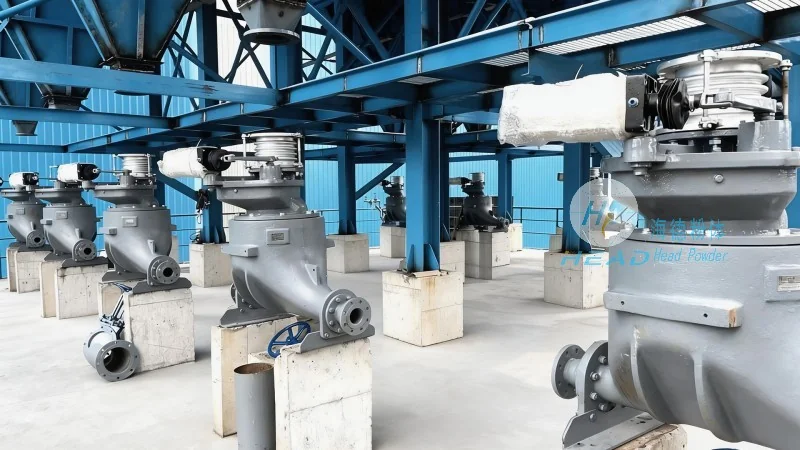
Potassium Carbonate Pneumatic Conveying System Overview
The potassium carbonate pneumatic conveying system is a sophisticated piece of equipment engineered to transport potassium carbonate powder or granules from one location to another within a facility. This system utilizes pneumatic technology, which involves the use of air or gas to move bulk materials through a pipeline network. The system is particularly suitable for applications where traditional mechanical conveyors may not be efficient or feasible, especially when dealing with fine powders or when long-distance transport is required.
Working Principle of the Potassium Carbonate Pneumatic Conveying System
The operation of the potassium carbonate pneumatic conveying system is based on the fundamental principles of pneumatic transport. The system typically operates under either positive pressure (pressure conveying) or negative pressure (vacuum conveying), depending on the specific requirements of the application. In positive pressure conveying, a blower or compressor generates compressed air that forces the potassium carbonate material through the pipeline. The material is suspended in the air stream and transported to the destination. Conversely, in negative pressure conveying, a vacuum pump creates a low-pressure environment that draws the material into the pipeline. The system may also incorporate a combination of both pressure and vacuum stages for more complex transport scenarios.
During the conveying process, the potassium carbonate is introduced into the pipeline at the loading point, often through a hopper or feeder. The material is then mixed with the air stream, forming a dense or dilute phase flow, depending on the system design and operational parameters. The system includes components such as a conveying line, a separator to separate the material from the air at the receiving end, and a filter to ensure the air is clean before it is released back into the environment. The control system manages the flow rate, pressure, and other parameters to ensure efficient and safe operation.
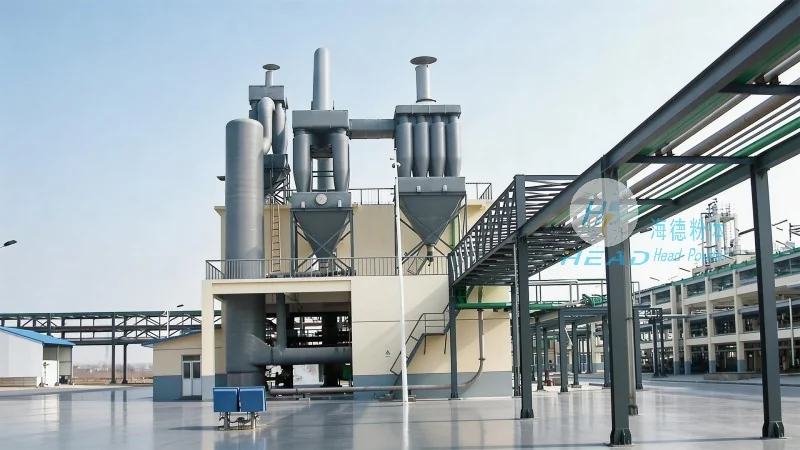
Key Features of the Potassium Carbonate Pneumatic Conveying System
The potassium carbonate pneumatic conveying system from Shandong HeadPowder Engineering Co., Ltd. is characterized by several notable features that enhance its performance and usability. Firstly, it offers high efficiency in material transport, allowing for the movement of large quantities of potassium carbonate over significant distances with minimal energy consumption compared to traditional methods. The system is also designed for flexibility, accommodating various particle sizes and flow rates, making it suitable for a wide range of industrial applications.
Another key feature is its ability to maintain the purity and quality of the potassium carbonate during transport. The system minimizes material degradation and contamination by using enclosed pipelines and advanced filtration systems. This is particularly important for pharmaceutical and food-grade applications where product integrity is critical. Additionally, the system is engineered for safety, incorporating features such as pressure relief valves and emergency shut-off mechanisms to prevent accidents and ensure operator safety.
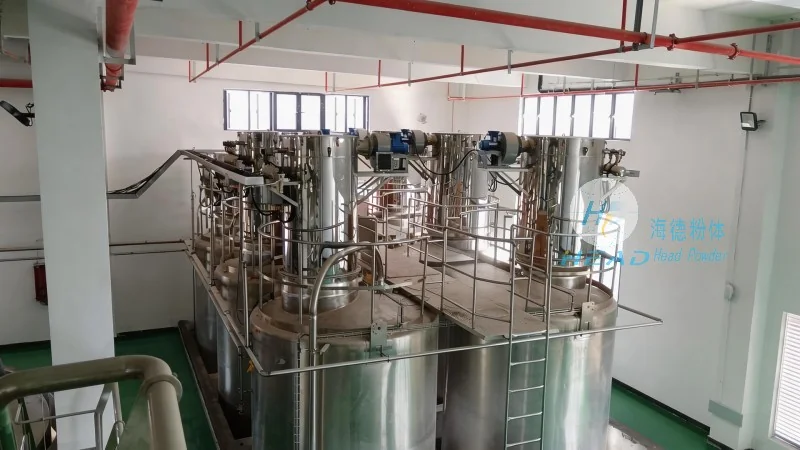
From a maintenance perspective, the system is designed for ease of upkeep. The components are constructed from materials resistant to corrosion and wear, reducing the need for frequent repairs. The modular design allows for easy access to parts for inspection and replacement, minimizing downtime. The control system provides real-time monitoring and diagnostic capabilities, enabling operators to identify and address issues promptly, thereby extending the system's operational life.
Application-Specific Benefits
The potassium carbonate pneumatic conveying system is particularly beneficial in industries where the handling of fine powders is challenging. For example, in pharmaceutical manufacturing, the system ensures that potassium carbonate is transported without dust generation or cross-contamination, maintaining compliance with stringent regulatory standards. In food processing, the system provides a hygienic and efficient means of moving the chemical, contributing to overall production efficiency and product quality. In chemical manufacturing, the system supports the seamless integration of potassium carbonate into production lines, reducing bottlenecks and improving overall plant productivity.
In summary, the potassium carbonate pneumatic conveying system from Shandong HeadPowder Engineering Co., Ltd. represents a reliable and efficient solution for the transportation of potassium carbonate. By leveraging pneumatic technology, the system offers high performance, safety, and flexibility, making it an ideal choice for various industrial applications. The company's commitment to quality and innovation ensures that their equipment meets the evolving needs of the market, providing long-term value to their clients.