

Working Principle and Features of Phosphate Iron Pneumatic Conveying System Equipment
Shandong HeadPowder Engineering Co., Ltd., a leading manufacturer based in Shandong, China, specializes in the design, development, and production of advanced pneumatic conveying systems tailored for the handling of phosphate iron materials. This article provides an in-depth exploration of the working principle and key features of their phosphate iron pneumatic conveying equipment, highlighting its efficiency, reliability, and suitability for industrial applications.
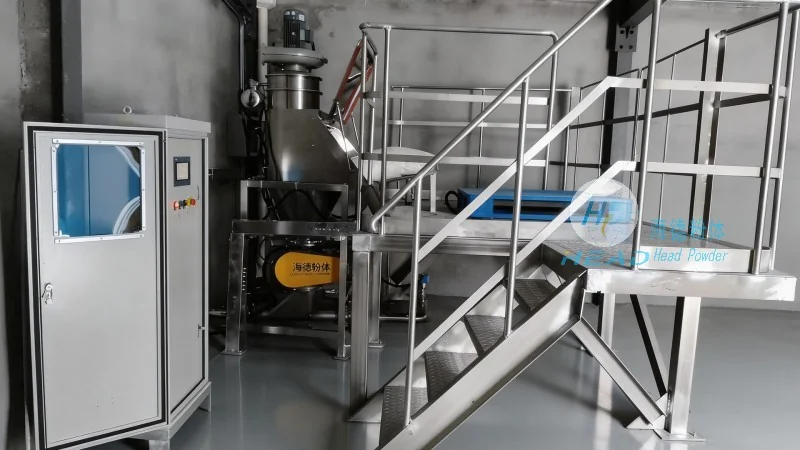
Introduction to Phosphate Iron Pneumatic Conveying Systems
Phosphate iron, a critical raw material in various industrial processes, requires efficient and safe handling methods to ensure optimal performance and operational safety. Pneumatic conveying systems offer a solution by utilizing air as the primary medium to transport bulk materials like phosphate iron from one location to another. These systems are particularly advantageous in environments where traditional mechanical conveying methods may pose challenges, such as in dusty or hazardous conditions.
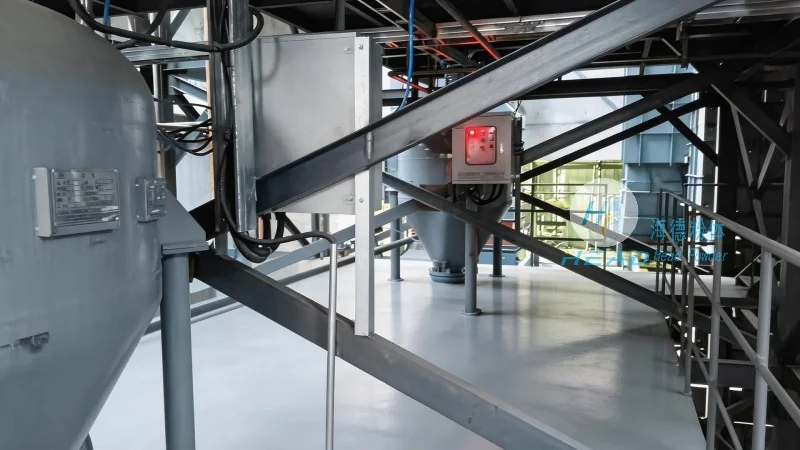
Working Principle of the Phosphate Iron Pneumatic Conveying System
The core working principle of the phosphate iron pneumatic conveying system involves the use of compressed air to create a flow that transports the material through a pipeline. The system typically consists of a hopper for material storage, a rotary valve or feeder to control the material discharge, a venturi or airlock to introduce air and maintain pressure, and a receiver or discharge point for the material. As phosphate iron is fed into the system, the compressed air is introduced at a controlled rate, creating a mixture of air and material particles. This mixture travels through the pipeline under pressure, ensuring the material is conveyed efficiently without clogging or degradation. The system may also include components like filters, cyclones, or dust collectors to manage air quality and prevent material loss.
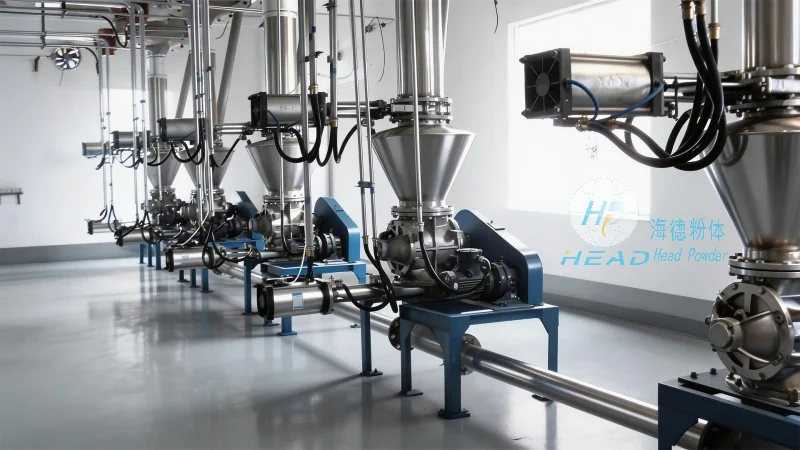
Key Features of the Phosphate Iron Pneumatic Conveying Equipment
The phosphate iron pneumatic conveying equipment from Shandong HeadPowder Engineering Co., Ltd. is engineered with several notable features that enhance its performance and usability. Firstly, it offers high conveying efficiency, capable of transporting large volumes of phosphate iron over significant distances with minimal energy consumption. The system is designed to maintain consistent material flow rates, ensuring stable operation in production lines. Secondly, it prioritizes safety and environmental protection. By using enclosed pipelines and filtration systems, the equipment minimizes dust emissions and prevents material contamination, aligning with industrial safety standards and environmental regulations. Thirdly, the equipment is highly adaptable, with customizable components that can be adjusted to accommodate different particle sizes, moisture contents, and conveying distances. This flexibility allows it to be integrated into various industrial settings, from small-scale processing facilities to large-scale manufacturing plants. Additionally, the system is built with durable materials, such as stainless steel or corrosion-resistant alloys, to withstand the corrosive nature of phosphate iron and ensure long-term reliability. Maintenance is simplified through modular design, allowing for easy access to components for inspection and repair. The equipment also incorporates advanced control systems, enabling operators to monitor and adjust the conveying process in real-time, enhancing operational control and reducing downtime.
Application Scenarios and Advantages
The phosphate iron pneumatic conveying system is widely applicable in industries where phosphate iron is processed or used as a raw material. Common applications include the transportation of phosphate iron from storage silos to processing units in fertilizer production, the delivery of phosphate iron to mixing or blending stations in chemical manufacturing, and the transfer of material between different stages of industrial production lines. The advantages of this system over traditional conveying methods are evident in its ability to handle abrasive and dusty materials without causing wear and tear on equipment. It also reduces labor costs by automating the material handling process and minimizes the risk of material spillage or contamination. Furthermore, the enclosed design of the system enhances workplace safety by preventing exposure to dust and other airborne particles, contributing to a healthier working environment. The system's efficiency in energy consumption and its ability to maintain consistent material flow rates make it a cost-effective solution for industrial operations, particularly in large-scale production environments.
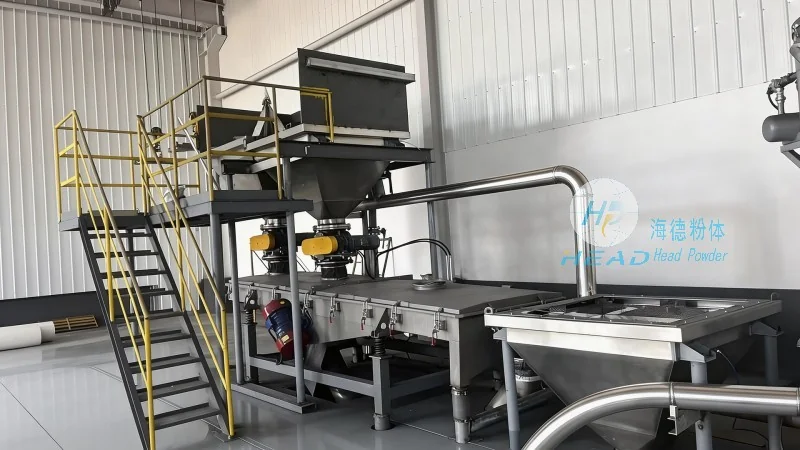
Conclusion
In summary, the phosphate iron pneumatic conveying system from Shandong HeadPowder Engineering Co., Ltd. combines advanced engineering with practical design to provide an efficient, safe, and reliable solution for handling phosphate iron. Its working principle, based on air-powered transport, ensures effective material movement while its key features, such as high efficiency, safety, adaptability, and durability, make it a preferred choice in industrial applications. By understanding the working principle and features of this equipment, industries can optimize their material handling processes, improve operational efficiency, and ensure compliance with safety and environmental standards.