

Working Principle and Characteristics of Magnesium Oxide Powder Pneumatic Conveying
Magnesium oxide powder, a widely used industrial material, often requires efficient and reliable transportation methods for processing and distribution. Pneumatic conveying, a technology that uses air to transport bulk materials, has become a preferred solution for handling magnesium oxide powder due to its advantages in safety, hygiene, and operational flexibility. This article explores the working principle and key characteristics of magnesium oxide powder pneumatic conveying, providing insights into how this technology enhances material handling processes in various industrial applications.
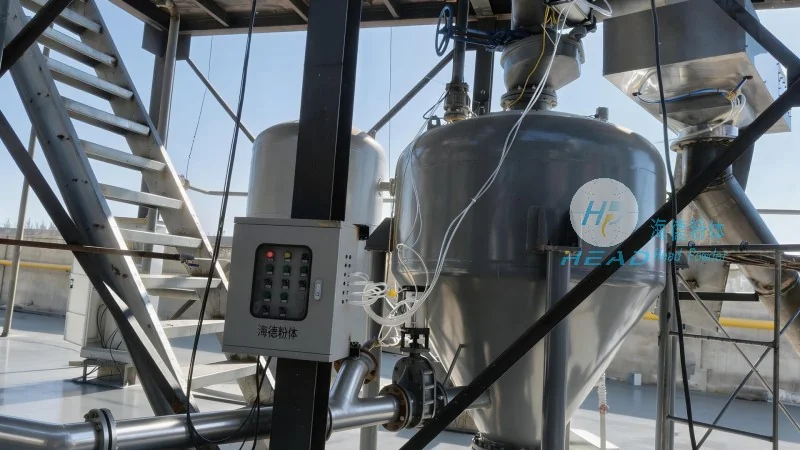
The Working Principle of Magnesium Oxide Powder Pneumatic Conveying
The core of pneumatic conveying for magnesium oxide powder involves the use of a conveying system that combines air flow and pressure to move the powder from a source to a destination. The process typically begins with the powder being introduced into a hopper or feeder, where it is then drawn into a pipeline by a fan or blower. The air, moving at a controlled velocity, carries the powder particles through the pipeline, ensuring they are transported without clogging or degradation. The system may operate under either positive pressure (pressure conveying) or negative pressure (vacuum conveying), each with specific applications depending on the distance, material properties, and system layout.
In pressure conveying, a positive pressure is maintained throughout the system, pushing the powder from the source to the destination. This method is suitable for longer distances and can handle more abrasive or sticky materials. The fan or blower provides the necessary pressure to overcome friction and elevation changes in the pipeline. Conversely, vacuum conveying uses a vacuum to draw the powder from the source, making it ideal for shorter distances and when the material needs to be collected from multiple points. The choice between pressure and vacuum conveying depends on factors such as the material's flowability, the system's complexity, and the required throughput.
Key Characteristics of Magnesium Oxide Powder Pneumatic Conveying
Several distinct characteristics define the performance and benefits of pneumatic conveying for magnesium oxide powder. First, the system offers high efficiency in material transport, as it can move large quantities of powder with minimal manual intervention. This efficiency is crucial for industrial operations where continuous production and reduced downtime are essential. Second, pneumatic conveying is highly hygienic and clean, which is particularly important for magnesium oxide powder used in pharmaceutical, food, or chemical industries where contamination must be strictly controlled. The enclosed system prevents dust from escaping and maintains a controlled environment, ensuring product quality and safety.
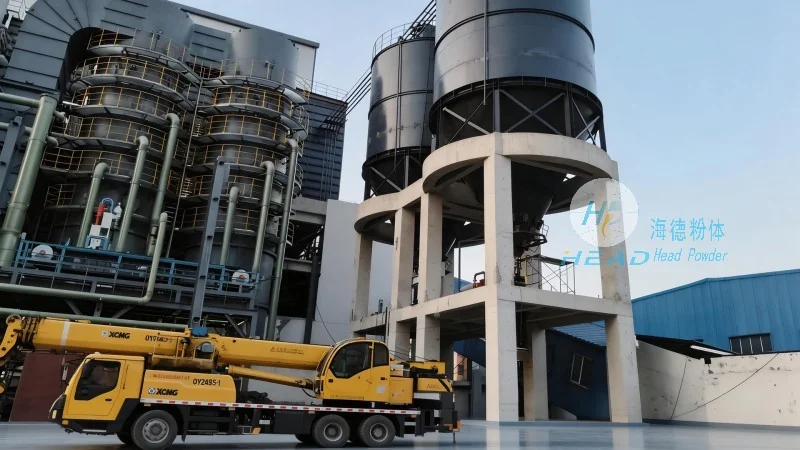
Third, the technology provides flexibility in system design and operation. It can be adapted to various plant layouts, allowing for integration with existing equipment or expansion as production needs grow. The modular nature of pneumatic conveying systems enables easy customization to meet specific process requirements, such as varying the air velocity or pressure to optimize powder flow. Additionally, the system is relatively low in maintenance compared to other bulk material handling methods, reducing operational costs and improving long-term reliability.
Another significant characteristic is the ability to handle a wide range of powder properties. Magnesium oxide powder can vary in particle size, density, and moisture content, and pneumatic conveying systems are designed to accommodate these variations. The use of appropriate air velocities and pipeline diameters ensures that the powder is transported smoothly without causing blockages or excessive wear on the system components. This adaptability makes pneumatic conveying a versatile solution for different industrial applications, from small-scale laboratory use to large-scale manufacturing.
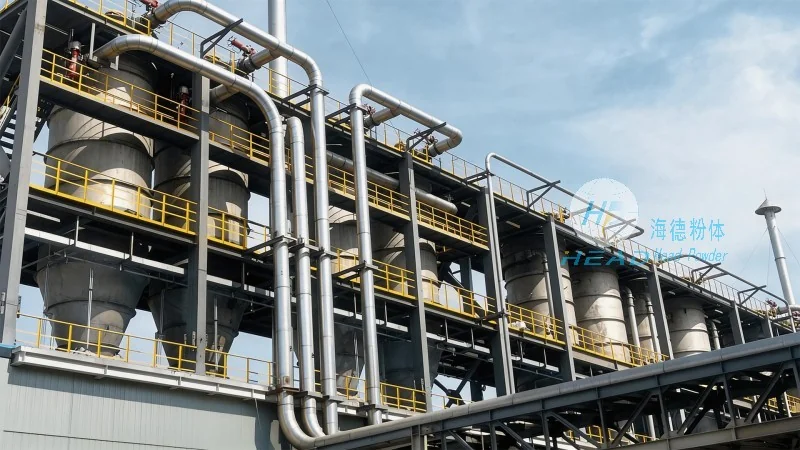
Applications and Benefits in Industrial Settings
Magnesium oxide powder pneumatic conveying is widely applied in various industries due to its effectiveness and reliability. In the chemical industry, it is used for transporting raw materials and finished products, ensuring consistent quality and reducing the risk of contamination. The pharmaceutical industry benefits from the hygienic nature of the system, as it can handle magnesium oxide powder used in drug formulations without compromising product purity. Similarly, in the food industry, pneumatic conveying is employed to transport magnesium oxide powder used as a food additive, maintaining strict standards for cleanliness and safety.
The benefits of this technology extend beyond material handling to include improved workplace safety. By eliminating the need for manual handling of bulk powders, the system reduces the risk of dust exposure and related health issues. This is particularly important for magnesium oxide powder, which can be fine and potentially irritating to the respiratory system. The enclosed system also minimizes the risk of dust explosions, a critical safety consideration in industrial environments.
Furthermore, the efficiency of pneumatic conveying leads to cost savings in terms of labor and energy. With automated systems, the need for manual labor is reduced, and the consistent air flow ensures optimal energy usage. The low maintenance requirements also contribute to long-term cost savings, as fewer breakdowns and repairs are needed compared to other handling methods. These economic advantages make pneumatic conveying an attractive option for industries looking to optimize their material handling processes.